

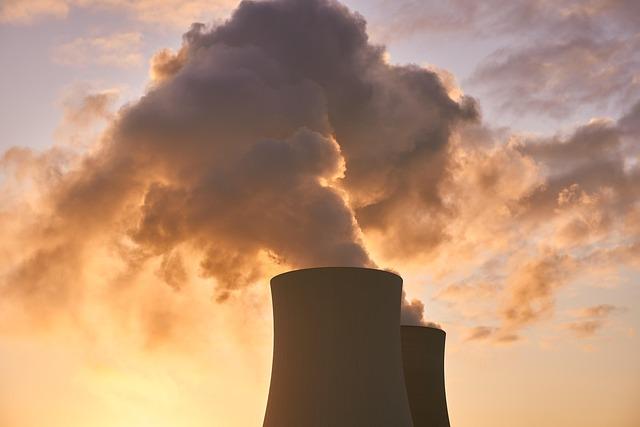
In a significant development in international relations, the United States has officially signed a nuclear cooperation agreement with the Dominican Republic, marking a strategic shift in the Caribbean’s nuclear landscape. This landmark deal, facilitated by the U.S. Department of State, aims to bolster energy security and enhance regional stability in a world increasingly focused on clean energy alternatives. As both nations navigate the complexities of modern geopolitical dynamics, this agreement underscores the U.S. commitment to fostering partnerships with emerging economies while ensuring the safe and responsible use of nuclear technology. This article delves into the motivations behind the agreement, its implications for the Dominican Republic, and the broader regional and global context that has shaped this pivotal moment.
US-Dominican Republic Nuclear Deal: Strategic Implications for Regional Security
The recent nuclear agreement between the United States and the Dominican Republic signifies a pivotal shift in regional security dynamics within the Caribbean. By formalizing nuclear cooperation, the U.S. aims to bolster its influence in a region that has historically been plagued by instability and external pressures. This deal is projected to enhance the Dominican Republic’s energy independence and security infrastructure, with potential benefits, including:
- Strengthening bilateral relations: This agreement paves the way for increased military and economic cooperation between the two nations.
- Non-proliferation efforts: The U.S. can ensure that nuclear technology is developed responsibly, mitigating risks of nuclear proliferation.
- Energy diversification: The Dominican Republic will have access to advanced nuclear technology to diversify its energy sources, reducing reliance on fossil fuels.
Furthermore, the strategic implications of this deal extend beyond the borders of both nations. With tensions rising in other parts of the Caribbean, the agreement serves as a deterrent against potential aggressors and reinforces regional alliances. The Dominican Republic stands to become a central hub for U.S. nuclear investments, potentially attracting neighboring countries to engage in partnerships with the U.S. to bolster their own energy security. This evolving landscape is reflected in the table below, showcasing the projected impacts on key regional actors:
| Country | Projected Impact |
|---|---|
| Dominican Republic | Enhanced energy independence and security cooperation |
| Haiti | Potential for collaborative security initiatives |
| Cuba | Increased scrutiny of military capabilities |
| Venezuela | Heightened geopolitical tensions |
Key Economic Benefits of the Newly Signed Nuclear Agreement
The recently signed nuclear agreement between the United States and the Dominican Republic presents a myriad of economic advantages that could revitalize the region’s energy sector and enhance bilateral relations. By establishing a framework for cooperation in nuclear energy, the agreement is poised to create job opportunities not only in the construction of nuclear facilities but also in the broader supply chain, which includes research, technology development, and maintenance. These investments can stimulate local economies and lead to improved infrastructure, as the need for enhanced energy solutions grows against the backdrop of increasing global energy demands.
Furthermore, the deal opens the door for the Dominican Republic to access advanced nuclear technology and expertise from the United States, promoting energy independence and stability. This cooperation may lead to reduced energy costs for consumers, ultimately benefiting the overall economy. Alongside enhancing energy security, the agreement could also attract foreign investments, encouraging growth in sectors such as tourism and manufacturing, which are pivotal to the Dominican Republic’s economy. The potential for renewable energy integration alongside nuclear developments presents a holistic approach to sustainable energy that supports economic resilience.
Expert Recommendations for Maximizing Collaboration and Safety Standards
The recent nuclear deal between the US and the Dominican Republic is not solely about energy production; it underscores the importance of adhering to stringent collaboration and safety protocols in the nuclear sector. Experts recommend the establishment of clear communication channels among stakeholders, ensuring that both countries are fully informed about operational standards, safety measures, and potential risks. Regular joint training sessions are crucial for fostering mutual understanding and coordination, particularly in emergency response scenarios. These proactive measures can enhance trust and ensure that both nations are prepared to handle nuclear materials responsibly.
Furthermore, adopting comprehensive safety audits can significantly bolster overall security. Key recommendations to achieve this include:
- Implementing consistent safety drills and scenario planning
- Utilizing cutting-edge technology for monitoring and safety checks
- Ensuring transparency in reporting safety issues and incidents
To facilitate this process, a collaborative framework should be established, yielding an effective governance model that integrates best practices from both nations. By prioritizing these expert recommendations, the US and the Dominican Republic can pave the way towards a safer and more collaborative nuclear future.
In Retrospect
In conclusion, the recent nuclear agreement between the United States and the Dominican Republic represents a significant step forward in bilateral relations, emphasizing cooperation on energy security and non-proliferation. As the U.S. seeks to strengthen its ties in the Caribbean, this deal not only enhances the Dominican Republic’s nuclear capabilities for peaceful purposes but also signals a broader strategy to stabilize the region amid growing geopolitical tensions. The implications of this partnership extend beyond immediate energy needs, potentially reshaping the dynamics of regional diplomacy and fostering closer collaboration on climate change initiatives. As both nations move forward, the international community will undoubtedly be watching closely to see how this collaboration unfolds and its potential impact on future U.S. engagements in Latin America.

