
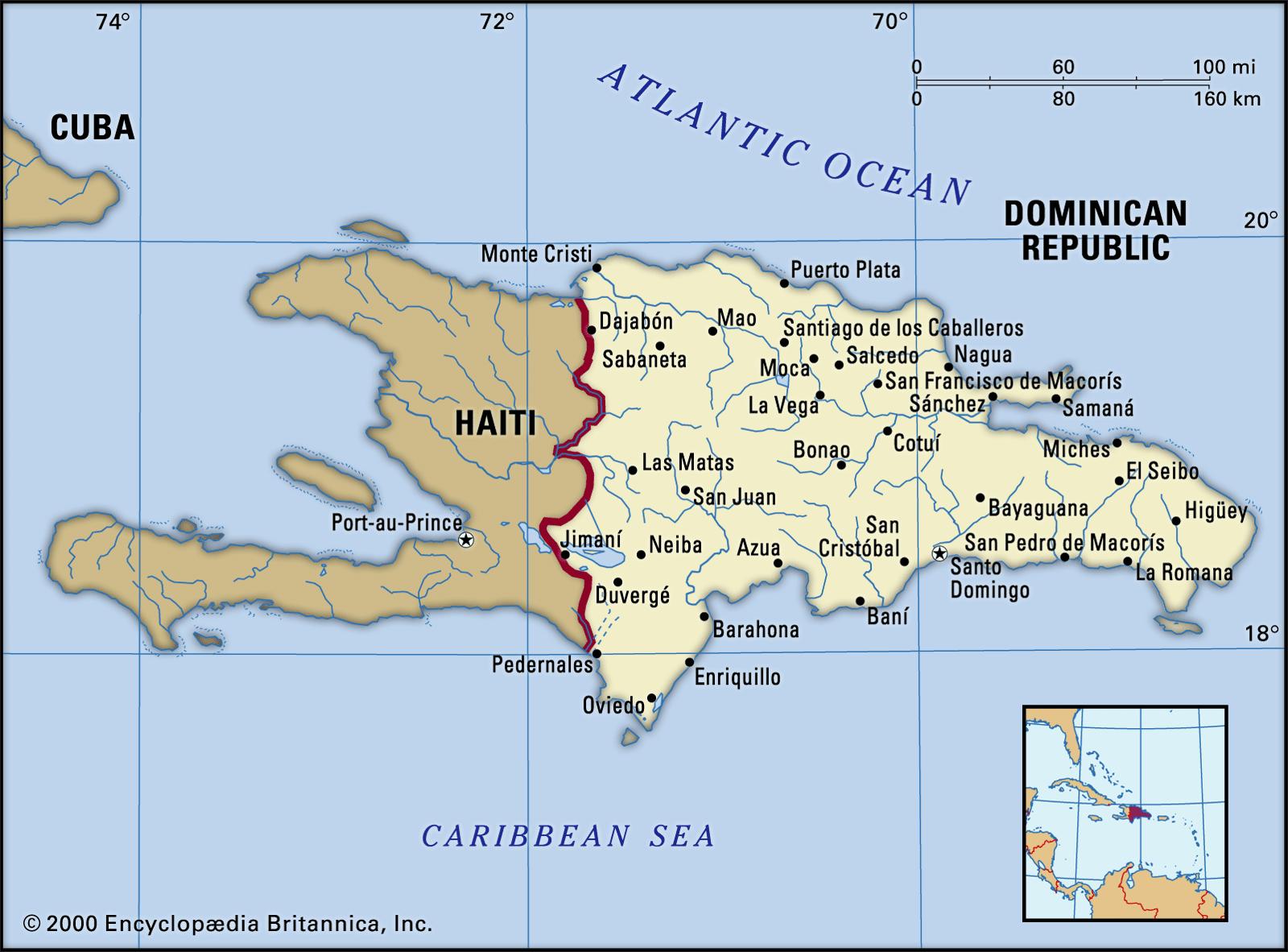
In recent years, the Dominican Republic has emerged as a prime destination for U.S. travelers, drawing millions with its stunning landscapes, vibrant culture, and warm hospitality. However, alongside the allure of sun-soaked beaches and rich historical sites lies the need for vigilance when it comes to personal safety on the island. As a visitor, understanding the nuances of local transportation and navigating the frequently bustling environment are paramount to ensuring a secure travel experience. This article aims to provide critical insights and practical tips for U.S. citizens seeking to explore the Dominican Republic safely. In collaboration with the U.S. Embassy in the Dominican Republic, we delve into essential guidelines for safe commuting, highlight areas to exercise caution, and empower travelers with the knowledge they need to enjoy their visit fully while prioritizing their well-being.
Understanding Local Transportation Options for U.S. Citizens in the Dominican Republic
For U.S. citizens navigating the Dominican Republic, a variety of local transportation options are available to enhance mobility and ensure safety. Among the most popular choices are public buses, known as “carros públicos,” which provide an affordable means of travel between cities and towns. These buses are often crowded but can be a great way to experience local culture. Another economical alternative is the motoconchos, motorcycle taxis that can zip you through traffic, but travelers should exercise caution and check safety measures beforehand.
For those seeking a more comfortable ride, ride-sharing services such as Uber operate in major cities and offer a more controlled environment with app-based payment systems. Additionally, rental cars are widely available but could present challenges due to varying driving conditions and traffic regulations. Here are some key points to consider when choosing your mode of transportation:
| Transportation Type | Pros | Cons |
| Public Buses | Affordable, local experience | Crowded, less comfortable |
| Motoconchos | Fast, convenient | Safety concerns, helmetless rides |
| Ride-Sharing | Safe, easy to use | Availability limited in rural areas |
| Rental Cars | Flexible, personal control | Driving challenges, potential for accidents |
Safety Tips for Navigating Streets and Roads as an American Tourist
When exploring the vibrant streets of the Dominican Republic, keeping safety at the forefront of your mind is essential. Many local roads may not adhere to traffic regulations as strictly as you may be accustomed to in the United States. Stay vigilant and be aware of your surroundings at all times. Here are a few key tips to enhance your safety:
- Use reputable transportation: Opt for officially licensed taxis or ride-hailing services like Uber for secure travel.
- Stay alert while walking: Always stay on sidewalks when possible, and be cautious at crosswalks where traffic may not stop.
- Travel in groups: Whenever feasible, explore with friends or fellow travelers to reduce risks.
- Observe local traffic behavior: Understand that traffic patterns can be unpredictable and be prepared for occasional erratic driving.
Moreover, knowledge of the local area can be beneficial. Familiarize yourself with the types of weather conditions and any specific cultural norms related to road usage. Important information can be found in a straightforward format:
| Condition | Recommendation |
|---|---|
| Rainy Weather | Exercise caution as roads can be slippery, and visibility may decrease. |
| Nighttime Travel | Avoid walking alone and use transportation services as street conditions may be less secure. |
| Heavy Traffic | Be prepared for delays and aggressive driving; patience is crucial. |
Emergency Services and Resources Available for Travelers in the Dominican Republic
Travelers in the Dominican Republic can access a variety of emergency services that are crucial for ensuring their safety and well-being while exploring the island. In case of medical emergencies, it is advisable to contact local hospitals or clinics immediately. Some key emergency numbers to keep handy include:
- Emergency Medical Services: 911
- Police: 911
- Fire Department: 911
- Tourist Police: 1-809-200-1000
In addition to these essential numbers, the U.S. Embassy provides vital resources for American citizens facing emergencies abroad. They offer assistance with lost passports, legal issues, and connections to local medical facilities. Familiarizing yourself with the embassy’s contact information can be helpful:
| Resource | Contact Information |
|---|---|
| U.S. Embassy in Dominican Republic | Phone: +1 (809) 567-7775 |
| Emergency Contact (After Hours) | +1 (809) 567-7775 |
In Conclusion
In conclusion, navigating the Dominican Republic as a U.S. citizen requires a blend of caution, awareness, and preparation. The insights provided by the U.S. Embassy not only underscore the importance of staying informed about local regulations and safety protocols, but they also empower travelers to make informed choices. From understanding the transportation options available to knowing the areas to avoid, ensuring personal safety is paramount. As tourism continues to be a significant part of the Dominican Republic’s economy, taking these precautions can lead to a safer and more enjoyable experience. For detailed information and further resources, U.S. citizens are encouraged to refer to the official guidelines provided by the U.S. Embassy in the Dominican Republic. Safe travels!


