

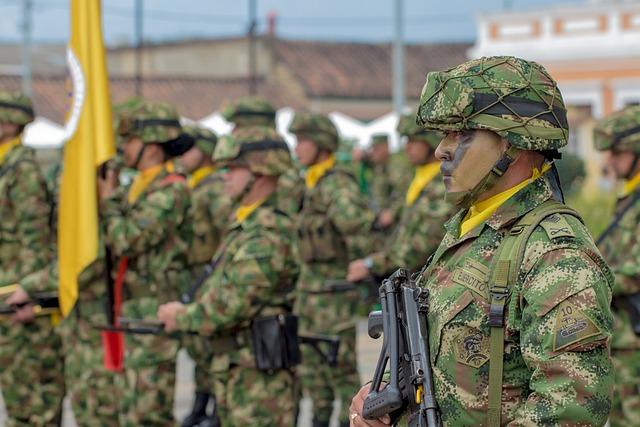
In a significant move to strengthen regional security and bolster defense capabilities, the United States has announced $57 million in new military aid for Colombia, Ecuador, Panama, and Peru. This financial package aims to enhance the operational capacity of these nations’ armed forces in the face of escalating threats, including drug trafficking and organized crime. The funding is part of a broader strategy to promote stability and cooperation in South America amid ongoing geopolitical challenges. As the U.S. continues to prioritize partnerships in the region, the implications of this military assistance could resonate well beyond the immediate battlefield, shaping the contours of international relations and security alliances in the years to come.
New Military Aid Package Boosts Regional Security Efforts in Colombia, Ecuador, Panama, and Peru
The recent announcement of a $57 million military aid package aims to strengthen security operations in Colombia, Ecuador, Panama, and Peru, marking a significant commitment to regional stability. This funding is expected to enhance the capabilities of local armed forces and support joint efforts in combating transnational crime, particularly drug trafficking and organized crime syndicates that threaten the region’s peace and security. In addition to direct military assistance, the package will also focus on providing training and resources, fostering collaboration across borders, and empowering nations to take a unified stand against escalating threats.
As part of this initiative, the aid will be strategically allocated to address specific needs within each country. Key areas of focus include:
- Intelligence Sharing: Enhancing information exchange among military and law enforcement agencies.
- Counter-Narcotics Operations: Bolstering efforts to dismantle drug trafficking networks.
- Humanitarian Assistance: Supporting communities affected by conflict and instability.
- Infrastructure Development: Improving military facilities and resources.
The breakdown of the aid package reflects tailored support for each country’s unique security challenges:
| Country | Allocation ($ Million) | Focus Areas |
|---|---|---|
| Colombia | 25 | Counter-narcotics, Intelligence |
| Ecuador | 15 | Humanitarian Assistance, Infrastructure |
| Panama | 10 | Joint Operations, Interagency Cooperation |
| Peru | 7 | Security Training, Community Programs |
Strategic Allocation of Funds: Addressing Critical Needs in Counter-Narcotics and Humanitarian Assistance
The recent announcement of $57 million in military aid targeting Colombia, Ecuador, Panama, and Peru represents a significant commitment to bolster regional security and counter-narcotics efforts. This funding is vital in addressing ongoing challenges posed by organized crime and drug trafficking, which not only destabilize governments but also severely impact civilian populations. Allocating these funds strategically will involve focusing on key areas such as:
- Enhanced training for law enforcement: Strengthening the capabilities of local police and military forces to combat drug-related violence.
- Eradication programs: Supporting efforts to eliminate coca cultivation and other illegal drug production.
- Community development initiatives: Investing in alternative livelihoods to reduce dependency on drug trafficking.
At the same time, it is essential to ensure that humanitarian assistance is not overshadowed by military initiatives. The intertwining of military aid with development projects can foster greater stability and security in adversely affected regions. To this end, the aid package could also prioritize:
- Health care access: Providing essential health services to communities affected by drug-related violence.
- Education programs: Investing in education to offer young people alternatives to joining criminal organizations.
- Psychosocial support: Offering services for victims of violence to aid their recovery and reintegration into society.
Recommendations for Effective Utilization of Aid to Enhance Stability and Cooperation in the Andean Region
To ensure that the recent military aid package of $57 million effectively bolsters stability and cooperation in the Andean region, strategic implementation is crucial. Key recommendations include:
- Focused Training Programs: Prioritize training initiatives that enhance the operational capacities of local security forces while respecting human rights.
- Regional Collaboration: Facilitate joint exercises and intelligence sharing among Colombia, Ecuador, Panama, and Peru to build trust and interoperability.
- Community Engagement: Invest in projects that foster community involvement and address the root causes of violence and instability.
- Monitoring and Evaluation: Establish robust metrics and benchmarks to assess the impact of the aid over time, ensuring accountability and adaptability.
Moreover, it is essential to engage with civil society organizations to enhance transparency and feedback mechanisms. Governments should consider:
| Opportunity | Description |
|---|---|
| Local Partnerships | Form alliances with NGOs to amplify outreach and effectiveness. |
| Public Awareness Campaigns | Implement initiatives that educate citizens about the aid’s purpose and benefits. |
| Independent Oversight | Engage third-party entities to monitor aid distribution and impact. |
Closing Remarks
In conclusion, the recent announcement of $57 million in new military aid for Colombia, Ecuador, Panama, and Peru marks a significant escalation in U.S. commitment to strengthening regional security in South America. As these nations grapple with challenges ranging from drug trafficking to organized crime, this funding aims to bolster their capabilities in combating these persistent threats. This aid package not only underscores the strategic importance of these nations in U.S. foreign policy but also highlights ongoing efforts to enhance collaborative security measures across the region. As the situation evolves, the implications of this financial support will be closely monitored by policymakers and analysts alike, shaping the future trajectory of U.S.-Latin American relations.

