

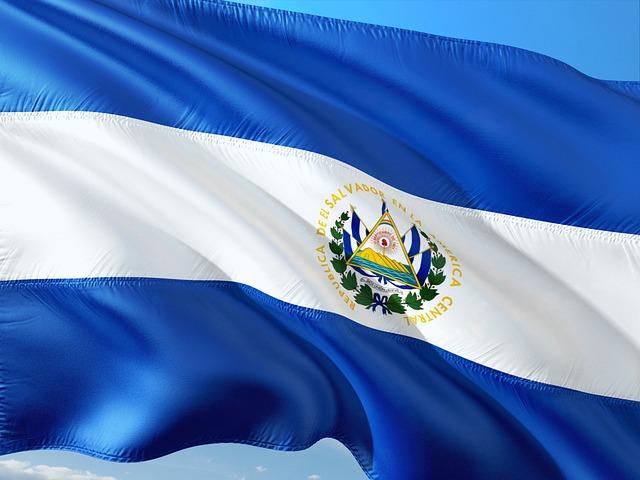
In recent years, El Salvador has become a focal point in the global conversation surrounding crime, governance, and human rights. Under the leadership of President Nayib Bukele, the Central American nation has witnessed a dramatic decline in homicide rates, a notable achievement that has garnered international attention. However, this marked reduction in violence comes at a steep price, as Bukele’s aggressive crime-fighting strategies raise critical questions about the erosion of democratic norms and civil liberties in the process. In this article, we will explore the dual narratives of progress and peril in El Salvador, examining how an administration that has successfully curbed violence may simultaneously undermine the democratic foundations of the state. As the world watches closely, the balance between security and liberty hangs in the balance, prompting a deeper reflection on the costs of Bukele’s controversial policies.
Evaluating the Impact of El Salvador’s Security Measures on Public Safety and Civil Liberties
The aggressive security measures implemented by President Nayib Bukele in El Salvador have led to a significant drop in homicide rates, which have long plagued the country. However, this dramatic reduction comes at a steep price, raising concerns over the state’s approach to governance. Critics argue that while the government touts the success of its “iron fist” strategy, it has simultaneously fostered an environment where civil liberties are increasingly under threat. Among the most alarming ramifications are:
- Widespread detentions: Thousands of individuals have been arrested, with many held without proper legal processes, leading to allegations of human rights abuses.
- Suppression of dissent: The crackdown on crime has also extended to journalists and activists who voice opposition, stifling free speech and political dialogue.
- Surveillance measures: Increased governmental surveillance aimed at monitoring potential gang activity risks eroding privacy rights for ordinary citizens.
This paradox of heightened public safety against the backdrop of diminished democratic principles raises critical questions about the future of governance in El Salvador. Citizens increasingly find themselves torn between the desire for security and the need for accountability. While many Salvadorans may appreciate the decrease in violence, they must consider the long-term implications of a society where the ends justify the means. A closer look at the statistics reveals:
| Year | Homicide Rate (per 100k) | Human Rights Violations Reported |
|---|---|---|
| 2019 | 36.0 | 500+ |
| 2020 | 34.0 | 600+ |
| 2021 | 18.0 | 800+ |
| 2022 | 9.2 | 1500+ |
The Price of Silence: How Authoritarian Tactics Undermine Democratic Institutions
In El Salvador, President Nayib Bukele’s aggressive crime-fighting strategies have garnered widespread approval, notably contributing to a dramatic decline in homicide rates. However, this comes at a steep price: the erosion of democratic norms and institutions. Under Bukele’s government, the use of authoritarian tactics has become increasingly pronounced, leading to a state where dissent is stifled, and civil liberties are compromised. Critics argue that while the streets may now be safer, the democratic foundations of the country are being systematically dismantled. Key elements of this transformation include:
- Concentration of Power: Bukele has consistently undermined the checks and balances vital to a healthy democracy, consolidating authority within the executive branch.
- Censorship and Control: Independent media and free speech have faced mounting restrictions, creating an environment where dissenting voices are silenced.
- Judicial Manipulation: Interference in judicial processes has paved the way for politically motivated prosecutions, further weakening the rule of law.
By prioritizing short-term gains in public safety over long-term democratic health, Bukele’s administration has effectively set a precarious precedent for governance in El Salvador. The decisions made today could lead to an entrenched authoritarian regime that limits the fundamental rights of its citizens. As the government’s grip tightens, many are left wondering whether the cost of reduced violence is worth the sacrifice of democracy itself, as the country faces a pivotal crossroads. The implications for civil society and political freedoms could resonate for generations, as illustrated in the following table:
| Impact of Crime Crackdown | Democratic Institutions |
|---|---|
| Reduced Homicide Rates | Erosion of Judicial Independence |
| Increased Public Approval | Suppression of Political Dissent |
| Visible Security Improvements | Limitations on Press Freedom |
Toward a Balanced Approach: Recommendations for Sustaining Safety Without Sacrificing Democracy
In the quest to strike a balance between safety and democratic integrity in El Salvador, a multifaceted approach is essential. While President Bukele’s aggressive crime-fighting initiatives have successfully lowered homicide rates, they have simultaneously raised significant concerns regarding civil liberties and the rule of law. To foster a sustainable environment that prioritizes both safety and democracy, the following recommendations should be considered:
- Strengthening Judicial Independence: Reaffirming the autonomy of the judiciary is crucial to ensure that law enforcement actions adhere to legal standards and protect citizen rights.
- Enhancing Community Policing: Investing in community-oriented policing strategies can bridge the gap between law enforcement and citizens, fostering trust while effectively addressing crime.
- Promoting Transparency and Accountability: Establishing oversight mechanisms for the security forces will help ensure that operations are conducted within a framework of accountability, preventing abuses of power.
- Engaging Civil Society: Inclusivity in policymaking, particularly involving non-governmental organizations, can yield strategies that reflect the needs and concerns of the populace.
- Fostering Economic Opportunities: Addressing the root causes of crime, such as poverty and unemployment, through job creation and educational initiatives can contribute to long-term safety.
Additionally, cooperation with international human rights organizations can aid in creating a supportive framework for the protection of civil liberties within the context of public safety. Engaging in constructive dialogue with opposition parties and stakeholders can also enhance the democratic process, ensuring diverse perspectives are included in governance. To visualize the impact of prioritizing safety while maintaining democratic values, a table highlighting potential outcomes of strategic initiatives is provided below:
| Initiative | Potential Outcomes |
|---|---|
| Strengthening Judicial Independence | Increased public trust in the legal system |
| Community Policing | Lower crime rates and stronger community relations |
| Transparency Measures | Reduced instances of corruption and abuse |
| Economic Development Programs | Long-term reduction in crime through opportunity creation |
In Conclusion
As El Salvador continues to navigate the complex landscape of security and governance under President Nayib Bukele, the implications of his crime crackdown are becoming increasingly apparent. While significant reductions in homicide rates stand as a notable achievement, the broader consequences for democratic institutions raise critical concerns. As Bukele’s measures intertwine with authoritarian tendencies, the balancing act between public safety and civic freedoms grows ever more precarious. As the nation seeks stability, questions surrounding the long-term impacts on democracy and civil liberties remain paramount. Moving forward, the international community and Salvadoran citizens alike must grapple with the realities of a strategy that, while effective in immediate terms, poses profound challenges for the future of democratic governance in the country.

