

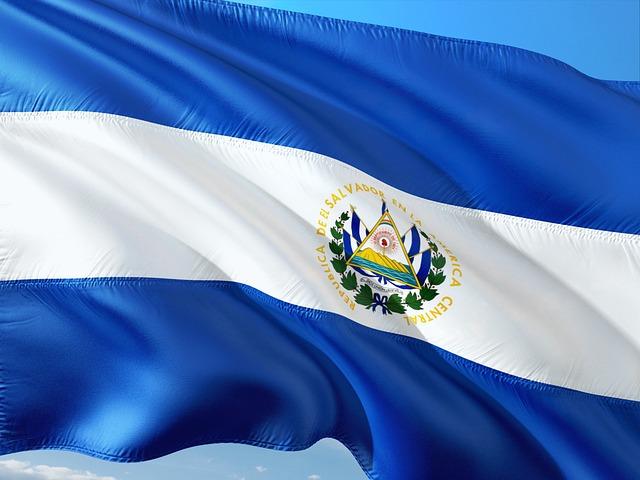
El Salvador Emergency Rule Meets a Growing Human Rights Reckoning
In recent months, El Salvador has been at the forefront of international scrutiny as the government’s emergency rule, enacted in response to escalating gang violence, continues to stir a complex debate about security and human rights. Since its implementation in March 2022, this state of exception has allowed authorities to detain thousands of suspected gang members, claiming a significant reduction in crime rates. However, critics argue that the measures have led to widespread abuses and violations of fundamental human rights, including arbitrary arrests and the detention of innocent civilians. As the situation unfolds, the implications of this controversial approach reveal a growing human rights reckoning that challenges the balance between protecting citizens and upholding democratic principles. This article delves into the current state of emergency in El Salvador, the government’s justification for its actions, and the mounting calls for accountability amid reports of human rights violations that have sparked outrage both domestically and abroad.
Emergency Rule in El Salvador Under Scrutiny Amid Human Rights Concerns
The ongoing emergency rule in El Salvador, initially enacted in response to escalating gang violence, is now facing heightened scrutiny from both local and international human rights organizations. Critics argue that the government’s expansive measures have led to widespread human rights violations, including arbitrary arrests and the detaining of thousands of individuals without trial. Reports indicate that over 60,000 people have been arrested during this period, many of whom are alleged to have been targeted based solely on flimsy accusations or their appearance. Human rights advocates underscore the importance of due process, warning that the long-term implications of such actions could undermine the very foundations of democracy in the country.
Furthermore, various entities are documenting the fallout of these emergency measures. Key concerns raised include:
- Detention conditions: Reports of overcrowding and inhumane treatment in detention centers.
- Judicial independence: Fears that the judiciary is becoming increasingly subservient to executive power.
- Lack of accountability: The absence of mechanisms to review or challenge detentions.
As public discontent grows, the administration faces a pivotal moment where it must balance security needs with fundamental human rights. This scenario not only reflects pressing domestic issues but also the complex dynamics of governance in a post-conflict society, revealing the delicate interplay between maintaining order and upholding civil liberties.
Widespread Detentions and Due Process Violations: Analyzing the Impact on Civil Liberties
In recent months, El Salvador has faced a surge in detentions under the government’s emergency rule, initially introduced as a measure to combat gang violence. However, the application of this rule has raised significant concerns about due process violations and the erosion of civil liberties. Critics argue that the expansive interpretation of “criminal activity” has led to the disproportionate targeting of individuals, resulting in mass incarcerations without adequate legal justification. Reports indicate that thousands are being detained based on mere suspicion, with many victims claiming they have been wrongfully accused. This disregard for legal protections not only undermines the judicial process but also instills a climate of fear among the populace, eroding trust in state institutions.
The impact of these actions extends beyond immediate legal ramifications, as the ongoing situation poses a profound threat to the very fabric of Salvadoran society. A growing list of organizations, including local and international human rights groups, have highlighted the following issues stemming from widespread detentions:
- Inhibited Freedom of Expression: Fear of reprisals stifles public discourse and activism.
- Societal Division: The government’s narrative promotes divisiveness, pitting citizens against one another.
- Psychological Trauma: Families of the detained suffer emotionally and financially, creating cycles of vulnerability.
As the national and international demand for accountability increases, many are calling for a reassessment of policies that compromise human rights. A detailed examination of the legal framework and operational protocols employed during detentions is essential for restoring public faith in justice. Failure to address these violations not only threatens the rule of law but also risks deepening the humanitarian crisis in El Salvador.
Recommendations for Reform: Balancing Security Measures with Human Rights Protections
The current climate in El Salvador presents a critical opportunity for policymakers to evaluate and recalibrate their strategies regarding security and human rights. While the government’s aggressive approach to crime prevention has garnered public support, there is a growing consensus that a more nuanced framework is necessary to avoid infringing upon civil liberties. Key recommendations for reform include:
- Implementing Oversight Mechanisms: Establish independent bodies to monitor law enforcement activities and hold officers accountable for human rights violations.
- Enhancing Legal Frameworks: Revisit and revise laws that may inadvertently empower abuses under the guise of security.
- Promoting Community Engagement: Encourage dialogue between communities and law enforcement to foster trust and collaboration.
- Providing Human Rights Training: Equip police and military personnel with education on human rights principles to ensure respectful and lawful conduct.
In navigating this delicate balance, El Salvador could look to comparative examples from other countries that have faced similar challenges. For instance, countries struggling with crime have found success in adopting comprehensive strategies that integrate security with public trust. A comparative analysis might consider:
| Country | Initiative | Outcome |
|---|---|---|
| Colombia | Community Policing Initiatives | Reduced violence and increased citizen cooperation. |
| Mexico | Judicial Reforms | Improved accountability of law enforcement and judicial processes. |
| Brazil | Social Programs | Addressed root causes of crime, rather than punitive measures alone. |
By carefully evaluating these strategies, El Salvador can craft a security paradigm that respects individual rights while effectively addressing crime. It is crucial that efforts to secure citizen safety do not encroach upon the very freedoms that underpin a democratic society.
Concluding Remarks
In conclusion, the ongoing emergency rule in El Salvador has ignited a complex and multifaceted debate surrounding human rights in the country. As the government continues to implement its aggressive strategies to combat gang violence, the implications for civil liberties are becoming increasingly pronounced. Critics argue that the suspension of certain rights, while intended to ensure public safety, is leading to widespread abuses and a climate of fear among the population. As international scrutiny intensifies, the Salvadoran government faces pressure to balance its security measures with the fundamental rights of its citizens. Moving forward, the challenge will be to navigate a path that not only addresses the pressing issue of crime but also upholds the democratic principles that are vital for the country’s long-term stability and human dignity. The coming months will be crucial in determining whether El Salvador can reconcile these competing demands or whether the drive for security will come at an irreparable cost to human rights.

