

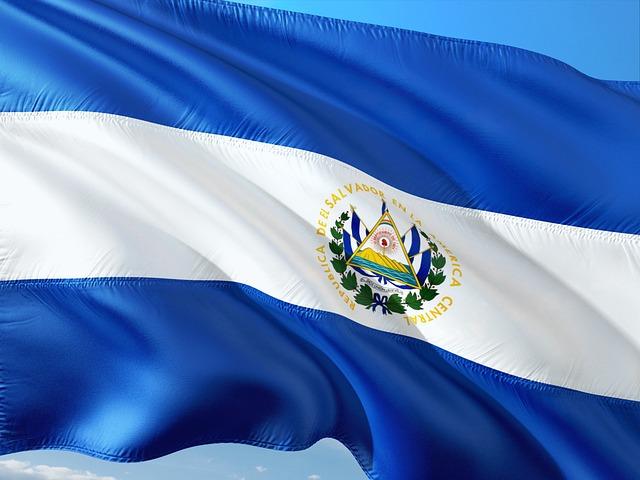
In a nation grappling with deep-seated challenges and widespread poverty, El Salvador’s president, Nayib Bukele, presents a polarizing figure-viewed by some as a beacon of hope and a modernizing force, while others regard him as an autocratic leader undermining democratic institutions. As Bukele embarks on ambitious reforms, from tackling gang violence to adopting Bitcoin as legal tender, the dichotomy of opinions surrounding his leadership has intensified. Supporters herald his bold approaches, claiming they offer a much-needed departure from the failures of previous administrations, while critics warn of increasingly consolidated power and the erosion of democratic norms. This article delves into the complexities of Bukele’s presidency, exploring the multifaceted reactions of a nation divided between admiration and apprehension.
El Salvador’s Transformative Leadership: A Dual Perspective on Governance
The leadership of El Salvador, particularly under President Nayib Bukele, has ignited fervent debates among citizens and international observers alike. For some, his assertive strategies are seen as a necessary response to the long-standing issues of violence and corruption that have plagued the nation for decades. Here are key points reflecting this perspective:
- Strong Anti-Crime Measures: Bukele’s aggressive crackdown on gangs has resulted in significant drops in homicide rates, drawing support from citizens yearning for safety.
- Youth Engagement: His administration has focused on empowering the youth through technology and educational reforms, positioning the country towards innovation.
- Popularity Surge: His charisma and presence on social media platforms contribute to a loyal following, bolstering his image as a reformer.
Conversely, critics argue that Bukele’s authoritative style raises concerns about the erosion of democratic institutions in El Salvador. Detractors emphasize the troubling implications of his centralized power and decisions made without legislative consent. Points of concern include:
- Judicial Independence: Many fear that Bukele’s influence over the judiciary compromises its autonomy, leading to a climate of fear among dissenters.
- Civil Liberties: Reports of human rights violations during his anti-gang initiatives have led to international scrutiny and condemnation.
- Governance Practices: There are worries about transparency and accountability as observer groups highlight a troubling trend towards autocracy.
Balancing Authority and Democracy: The Risks and Rewards of Bukele’s Rule
Nayib Bukele’s administration in El Salvador has become a polarizing topic, prompting fervent debates over the balance between authority and democratic principles. Some citizens praise his decisive measures against crime and corruption, highlighting the dramatic drop in homicide rates and improvements in public safety. Supporters argue that Bukele has taken much-needed steps to restore order in a nation plagued by gang violence and political instability. This perspective emphasizes the short-term rewards of strong leadership: a sense of security and economic revitalization. However, critics caution that the concentration of power in the executive branch risks eroding essential democratic institutions and civil liberties, with fears that such centralization could ultimately lead to authoritarianism.
As Bukele continues to strengthen his grip on power, observers are increasingly concerned about the implications for El Salvador’s democratic fabric. The government’s recent actions, such as the dismissal of judges and changes to electoral laws, raise alarms about the potential suppression of opposition voices. Yet, with public approval ratings soaring, many Salvadorans are willing to overlook these risks in exchange for tangible improvements in their daily lives. The challenge for Bukele lies in navigating this precarious terrain, balancing the desire for strong governance with the need to uphold democratic values. The outcome of this delicate balancing act could have profound implications not only for his presidency but for the future of democratic governance in the region.
Voices of the People: Assessing Public Sentiment in a Divided Nation
In El Salvador, President Nayib Bukele’s leadership has polarized the nation, drawing stark contrasts in public opinion. Supporters argue that his firm approach to governance, particularly in combating crime and corruption, has dramatically improved safety and stability. Many citizens feel a sense of relief in their daily lives. They credit Bukele for revitalizing the economy and funding public projects that directly benefit communities. Demonstrations of loyalty have surged, as evidenced by the overwhelming approval ratings captured in recent polls:
| Year | Approval Rating (%) |
|---|---|
| 2020 | 80 |
| 2021 | 85 |
| 2022 | 90 |
Conversely, critics of Bukele paint a starkly different picture, branding him an autocrat whose actions threaten the very fabric of democracy. Detractors point to the erosion of judicial independence and recent power consolidation within the executive branch as causes for concern. Skeptics fear that the populist appeal could mask deeper issues of governance and human rights violations. The debate continues, with many vocalizing their anxieties about the future, leading to a growing rift among the Salvadoran populace:
- Allegations of authoritarianism in decision-making processes
- Concerns about media freedom and press censorship
- Calls for greater political engagement and activism
Future Outlook
In conclusion, the polarizing leadership of El Salvador’s President Nayib Bukele has sparked a significant debate both nationally and internationally. While his supporters hail him as a transformative figure who is tackling crime and corruption head-on, critics warn of the dangers posed by his increasingly authoritarian tendencies. As El Salvador continues to navigate this complex political landscape, the dichotomy of opinions surrounding Bukele’s presidency underscores a critical moment in the country’s history. Moving forward, it will be imperative for both citizens and observers to closely monitor the implications of his governance on democracy, civil liberties, and the overall well-being of the Salvadoran people. As the international community watches, El Salvador’s trajectory remains uncertain, highlighting the ongoing struggle between populism and democratic principles in the region.

