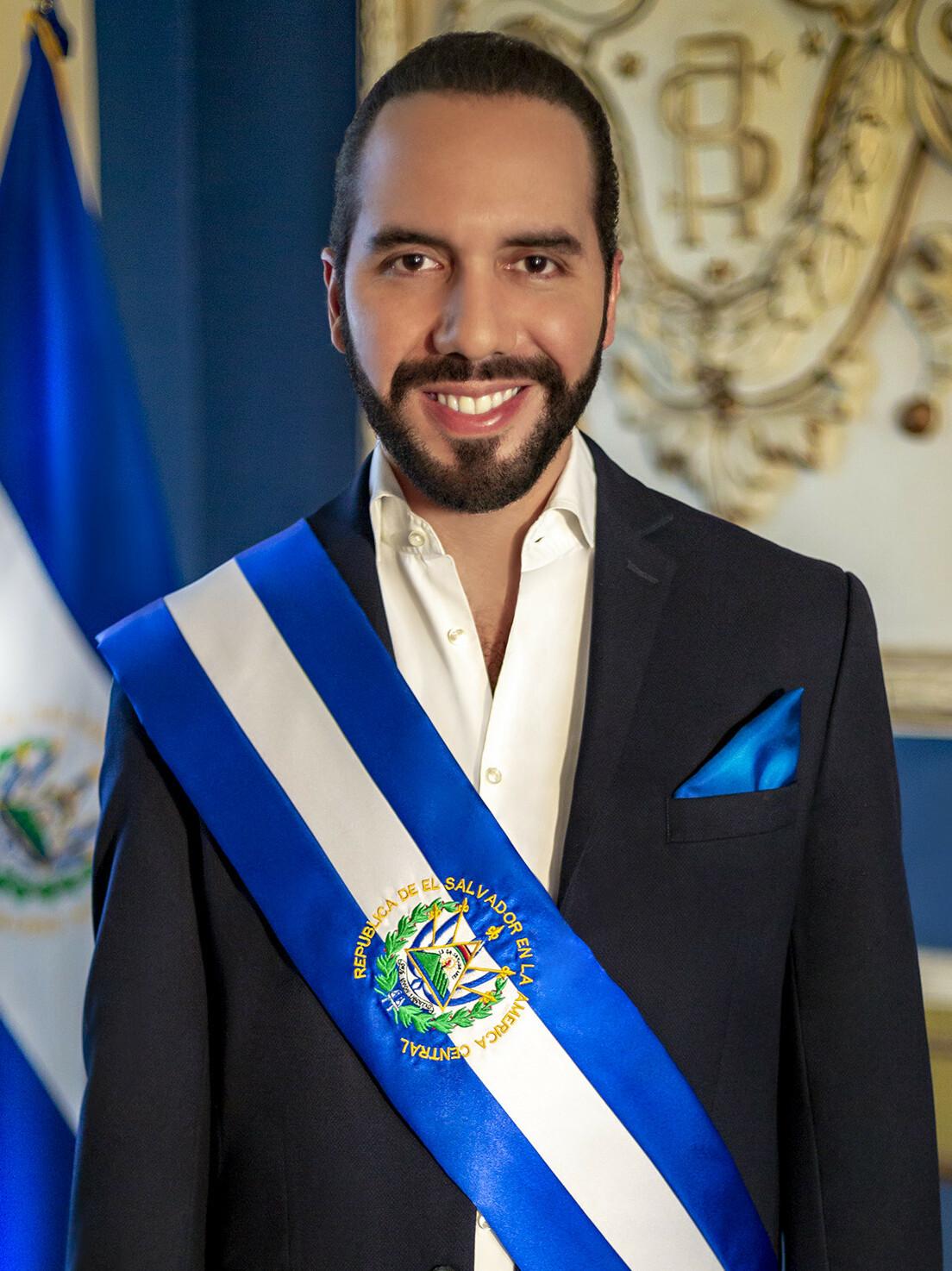
In a significant escalation of tensions surrounding freedom of expression in El Salvador, President Nayib Bukele has unveiled a controversial proposal aimed at regulating the activities of foreign agents within the country. The announcement has sparked widespread alarm among human rights advocates and political observers, who view it as a potential pretext for a crackdown on dissent and political opposition. As Bukele continues to consolidate power, this latest measure raises critical questions about the future of civil liberties in the Central American nation, fueling fears of increasing authoritarianism amidst a climate of repression. The implications of designating foreign influence as a national security threat could reverberate beyond El Salvador’s borders, impacting the delicate balance of democracy in the region.
El Salvador’s Foreign Agents Proposal Stirs Fears of Authoritarianism
In a significant move that has raised alarms among human rights advocates and opposition groups, El Salvador’s President Nayib Bukele has introduced a proposal that seeks to classify foreign entities and individuals engaging with local organizations as “foreign agents.” Critics argue that this legislation could pave the way for curbing free expression and intensifying governmental control over dissenting voices. Observers fear that such measures echo a global trend where authoritarian regimes employ legal frameworks to silence opposition, undermining democratic values.
The proposal has ignited a spirited debate within the country, with supporters claiming it is a necessary step to safeguard national interests against foreign interference. However, the ramifications are being scrutinized, as opponents highlight potential implications for journalism, activism, and the broader civil society landscape. Key points of contention include:
- Curtailed Freedoms: There are concerns that the law could restrict the activities of NGOs and media organizations, leading to a chilling effect on advocacy and reporting.
- Lack of Clarity: Critics point to vague definitions of “foreign agents,” which could be manipulated to target dissenters.
- Civic Space Threatened: The move may further shrink the already limited space for political opposition and free expression in El Salvador.
Implications for Freedom of Speech and Civil Society in El Salvador
The announcement of the ‘foreign agents’ proposal has triggered a wave of anxiety regarding the future of freedom of speech in El Salvador. Critics argue that labeling dissenting voices as foreign influenced could lead to greater governmental control over expression and an environment of fear among journalists, activists, and ordinary citizens. This development has the potential to stifle public discourse, reducing the space for robust debate and dissent, which are crucial components of a healthy democracy. As the government moves towards this new legislative framework, many are left pondering the implications for civil liberties, particularly for those opposing the state.
In response to growing concerns, civil society organizations have started mobilizing to advocate for protections against such measures. Their efforts may focus on the following key areas:
- Raising Awareness: Informing the public about the potential impacts of the proposal on civil rights.
- Legal Challenges: Preparing to contest the constitutionality of any legislation perceived as unjust.
- Solidarity Initiatives: Building coalitions with international human rights groups to put pressure on the Salvadoran government.
These developments may force policymakers to reconsider their approach towards dissent and civil liberties. A careful balance must be struck between national security and the fundamental rights of citizens, as failure to do so could lead to a backlash that stifles not just the press, but all manner of public dissent.
International Response and Recommendations for Safeguarding Democracy
In the wake of President Nayib Bukele’s controversial proposal targeting alleged “foreign agents,” the international community has expressed deep concern over the implications for civic freedoms in El Salvador. Several human rights organizations and foreign governments have called for immediate dialogue to uphold democratic principles and ensure transparency in governance. They emphasize the need for protective measures to avoid a chilling effect on dissent, urging the Salvadoran government to respect freedom of speech and assembly. Observers have highlighted the following recommendations:
- Promote dialogue: Encouraging discussions between the government, opposition parties, and civil society to foster a more inclusive political climate.
- Strengthen legal frameworks: Amending laws that threaten free expression to safeguard the rights of citizens and organizations.
- Support independent media: Ensuring journalists can operate without fear of reprisal, thereby enhancing transparency and accountability.
Moreover, regional organizations like the Organization of American States (OAS) and the United Nations have been urged to play a more active role in monitoring the situation in El Salvador. They can facilitate workshops on democratic engagement and assess the government’s actions to mitigate potential human rights abuses. In light of recent developments, a table outlining potential actions by these organizations may provide clarity on their pivotal role:
| Organization | Proposed Action |
|---|---|
| OAS | Conduct an investigation into claims of censorship and repression. |
| UN | Facilitate resource sharing for local human rights defenders. |
| Inter-American Commission on Human Rights | Deploy observers to monitor the treatment of dissenters. |
Final Thoughts
In conclusion, President Bukele’s announcement of a proposal targeting ‘foreign agents’ has raised significant concerns among human rights advocates and members of the opposition in El Salvador. Critics fear that this move may mark a further erosion of democratic freedoms and an intensified crackdown on dissent within the country. As the government seeks to bolster its narrative against external influences, the implications for civil society and free expression remain uncertain. Observers will be closely monitoring the developments that follow, as the balance between national security and individual rights continues to be tested in this Central American nation. The coming weeks will be crucial in determining how this proposal will be implemented and its impact on the landscape of dissent in El Salvador.