

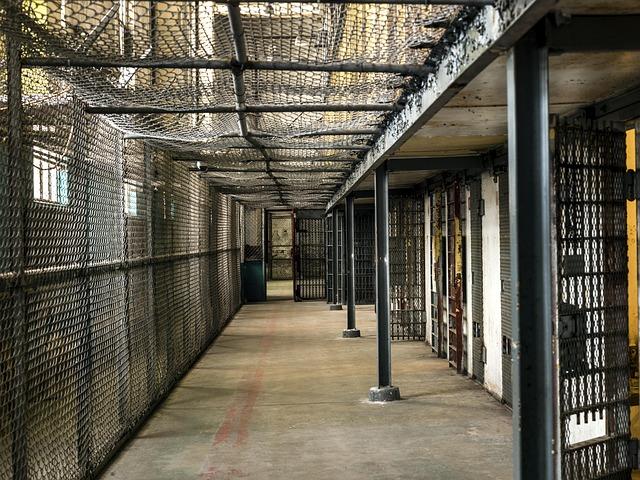
In a significant development that has sparked controversy among local officials, the French government has announced plans to construct a maximum-security prison in French Guiana. This decision, reported by Le Monde, comes amid ongoing debates over the territory’s infrastructure and social challenges. As authorities aim to address rising concerns over crime and recidivism, the proposed facility has drawn sharp criticism from local leaders who argue that it may further exacerbate existing tensions in the region. The announcement raises questions about the implications for both the local population and the broader criminal justice system in overseas territories.
France’s Controversial Plan for a Maximum-Security Prison in French Guiana Faces Local Opposition
France’s initiative to establish a maximum-security prison in French Guiana has sparked significant controversy, particularly among local officials who fear it will exacerbate existing social issues. Critics argue that this project could impose grave environmental and economic consequences on the region, which is already facing challenges such as poverty and limited infrastructure. Local leaders emphasize the need for investment in education, health care, and job creation rather than expanding the prison system. They voice concerns that a new prison would not only fail to address crime effectively but might also turn the area into a “penal colony” again, reminiscent of its colonial past.
In response to the government’s plans, several community organizations have mobilized to protest the development. Their campaign has highlighted various potential repercussions, including:
- Increased tension between local communities and law enforcement.
- Potential damage to the region’s rich biodiversity.
- Negative impacts on tourism, which is vital for local economies.
The government, however, insists that the facility is necessary to accommodate an overcrowded prison system on the mainland. Officials argue that improved security measures are critical for public safety, an assertion that remains hotly debated among stakeholders in the region.
Regional Officials Call for Dialogue and Alternative Solutions Amid Growing Tensions Over Incarceration Policies
As the French government moves forward with plans to construct a maximum-security prison in French Guiana, local officials are expressing their deep concerns over the implications of such a facility. They argue that the proposed prison could exacerbate existing tensions within the region, particularly in light of increasing crime rates and economic hardships. In response, regional leaders are advocating for a constructive dialogue that addresses the root causes of crime rather than solely focusing on punitive measures. They emphasize the need for collaboration between authorities and community stakeholders to devise more effective solutions tailored to the unique challenges faced by the region.
Among the alternative solutions being proposed are initiatives that prioritize community policing, rehabilitation programs, and youth engagement strategies. By redirecting resources into preventive measures, local officials believe that they can create a safer environment without resorting to high-capacity incarceration facilities. Some specific proposals include:
- Investment in educational programs aimed at at-risk youth
- Expansion of mental health services for those in need
- Creation of job training schemes to improve local employment opportunities
To Wrap It Up
In conclusion, France’s decision to construct a maximum-security prison in French Guiana has sparked significant controversy, drawing sharp criticism from local officials and community leaders who express concerns over the potential social and environmental impacts of such a facility. As the government pushes forward with its plans, the debate over criminal justice, regional development, and local autonomy continues to intensify. Stakeholders on both sides of the issue will be closely monitoring the situation as discussions unfold, with implications that could resonate far beyond the borders of French Guiana. The future of this project remains uncertain, and its reception will likely shape the landscape of governance and public sentiment in the region. As developments occur, Le Monde.fr will continue to provide updates and insights into this evolving story.

