

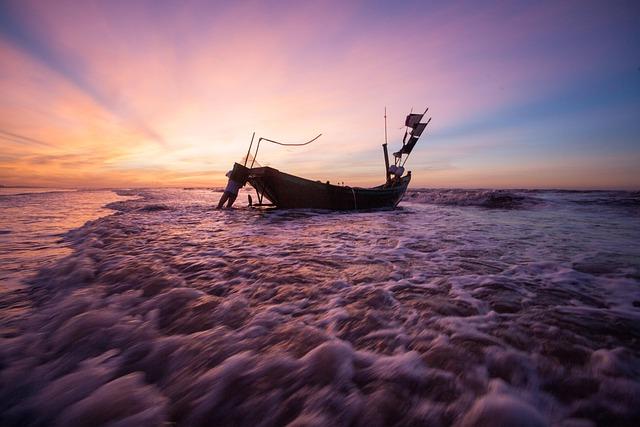
In the waters off the coast of French Guiana, local fishermen are raising alarms over an escalating crisis affecting their livelihoods. Reports indicate that foreign vessels are increasingly encroaching on the region’s fishing grounds, exploiting resources at a rate that threatens local fish populations and the traditional practices of the fishing community. As these fishermen voice their frustrations over what they perceive as unchecked overfishing by external fleets, the situation has ignited a broader conversation about maritime rights, environmental sustainability, and the economic implications for communities that rely heavily on fishing. This article delves into the mounting tensions and explores the regulatory challenges faced by local authorities as they strive to safeguard their waters against foreign exploitation.
Concerns Grow as Local Fishermen in French Guiana Report Surge in Illegal Overfishing by Foreign Vessels
As the situation intensifies, local fishermen in French Guiana are sounding the alarm over a noticeable uptick in illegal fishing activity by foreign vessels. Many have reported their fishing grounds becoming increasingly crowded with boats, often operating without proper licenses or adhering to regional fishing regulations. The presence of these foreign fleets is not only threatening their livelihoods but also raising concerns about the ecological impact on the rich marine biodiversity of the region.
Fishermen are calling for urgent interventions from both local authorities and international agencies to curb this rising issue. They emphasize the need for increased monitoring of maritime activities, actionable penalties against illegal fishing practices, and better support for sustainable fishing initiatives. Key points of concern include:
- Depletion of Fish Stocks: Overfishing may lead to long-term damage to local fish populations.
- Economic Impact: Without action, the livelihoods of local fishermen are at risk due to competition from illegal vessels.
- Environmental Consequences: Disruption of ecosystems could have cascading effects on marine life and biodiversity.
Strategies Urgently Needed to Protect Marine Resources and Support Sustainable Fishing Practices in French Guiana
The escalating tensions between local fishermen and foreign vessels require immediate and effective strategies to safeguard the waters of French Guiana. To address the issue of foreign fishing fleets depleting local resources, there is an urgent need for the implementation of stricter fishing regulations. This includes the enforcement of exclusive fishing zones for local fishermen, along with mandatory reporting and monitoring systems that can identify and penalize illegal fishing activities. Moreover, fostering collaboration between local fishing communities and government agencies will help to enhance surveillance and resource management, ensuring that sustainable practices are prioritized.
In addition to regulatory measures, investing in sustainable fishing technologies can empower local fishermen to improve their practices. This could involve the introduction of eco-friendly fishing gear, which minimizes bycatch and habitat destruction, as well as providing training workshops on sustainable techniques. Furthermore, enhancing local fish markets and supply chains will support fishermen in gaining equitable access and fair prices for their yield. These strategies, combined with community awareness programs, can cultivate a culture of conservation and responsible fishing that not only protects marine resources but also provides economic resilience for local communities.
Wrapping Up
As the fishermen of French Guiana voice their concerns over the encroachment of foreign vessels, the issue of overfishing raises critical questions about sustainable practices and regulatory enforcement in these vital waters. The livelihood of local communities hangs in the balance, as the depletion of fish stocks threatens not only their economic stability but also the delicate ecosystem that sustains both marine life and human populations. With growing calls for action, it remains to be seen how authorities will address the tensions between local interests and foreign fishing fleets. As this story unfolds, the plight of these fishermen serves as a poignant reminder of the challenges facing coastal communities around the world in the fight against unsustainable fishing practices. The Observers will continue to monitor this developing situation, shedding light on the community’s struggle for their rights and the future of their fisheries.

