

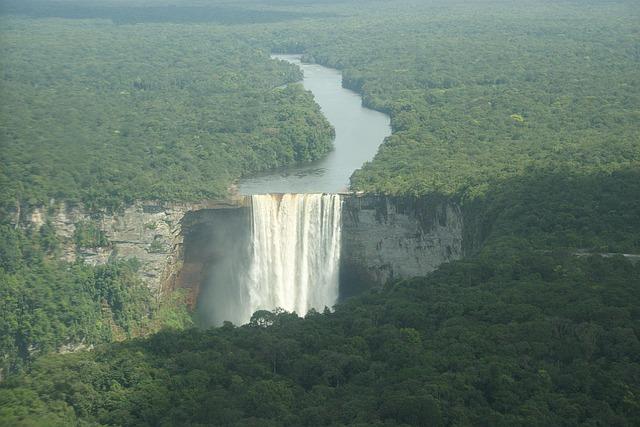
In the realm of geography and cultural identity, the distinctions between nations often spark lively debates and passionate opinions. Among these discussions, the territories of Guyana, Suriname, and French Guiana present a unique case. Despite their geographical placement on the northeastern coast of South America, these regions possess a distinct identity that sets them apart from the continent’s broader narrative. In this article, we delve into the historical, cultural, and political factors that influence the perception of Guyana, Suriname, and French Guiana as not entirely representative of South America. By examining the implications of colonial legacies, linguistic diversity, and socio-political dynamics, we aim to illuminate the complex tapestry that defines these territories and their unique positions on the South American stage.
Understanding the Unique Geopolitical Status of Guyana, Suriname, and French Guiana in South America
The geopolitical landscape of Guyana, Suriname, and French Guiana is characterized by a set of unique attributes that distinguish them from their South American neighbors. While geographically nestled on the northeastern coast of the continent, these territories possess a distinct political and cultural status that warrants closer examination. Guyana and Suriname are recognized as independent nations with historical ties to colonial powers-British and Dutch, respectively-while French Guiana remains an overseas department of France, enjoying a different kind of governance. This tripartite delineation influences various aspects such as, but not limited to:
- Economic Structures: Guyana’s burgeoning oil industry, Suriname’s rich mineral resources, and French Guiana’s reliance on subsidies from France.
- Cultural Identities: The blending of indigenous, African, and European influences creates a rich tapestry of cultural diversity that sets them apart from mainland South America.
- Political Stability: French Guiana benefits from EU protections, while Guyana and Suriname navigate regional tensions and electoral challenges.
The geographical similarities among these territories contribute to a shared vulnerability to environmental changes and geopolitical tensions, particularly as global interests in natural resources increase. For instance, the Amazon rainforest, spanning parts of these areas, serves as a critical ecological zone that is increasingly threatened by deforestation and climate change. Here’s a simplified view of their regional uniqueness:
| Country | Political Status | Main Economic Activity |
|---|---|---|
| Guyana | Independent | Oil Production |
| Suriname | Independent | Mining & Agriculture |
| French Guiana | Overseas Department | Administration & Space Launch |
Examining Cultural, Economic, and Environmental Factors Influencing Regional Dynamics and Future Collaboration
The cultural tapestry of Guyana, Suriname, and French Guiana is as vibrant as it is complex, shaped by a rich history of indigenous peoples, colonial influences, and diverse migration patterns. Cultural factors play a pivotal role in the regional dynamics of these territories. The coexistence of multiple languages, traditions, and religious practices fosters a unique identity that often transcends national borders. Notably, Suriname is home to a mosaic of communities, including the Maroons, Hindustani, and Javanese, each contributing to the national discourse on cultural heritage and identity, whereas French Guiana, with its French ties, showcases a blend of Caribbean and European cultural elements that enrich its national narrative. This cultural diversity not only nourishes local customs but also creates opportunities for cross-border collaboration on cultural festivals and tourism initiatives that celebrate their shared heritage.
On the economic front, these regions are influenced by their respective resource endowments and geopolitical circumstances. Guyana has emerged as an oil powerhouse, which has attracted significant foreign investment and brought both opportunities and challenges concerning economic diversification. Suriname, revered for its bauxite and gold reserves, must navigate the delicate balance of utilizing its natural resources while addressing environmental sustainability. French Guiana, primarily reliant on the French state, needs to find ways to stimulate local entrepreneurship while managing its unique ecological environments. These economic landscapes highlight the urgency for collaborative frameworks among the three territories to foster sustainable development. Establishing partnerships aimed at sharing technological advancements, best practices in environmental conservation, and joint economic ventures could lead to resilient economies that capitalize on their unique strengths.
To Conclude
In conclusion, the unique geopolitical and cultural identities of Guyana, Suriname, and French Guiana highlight the complexities of defining regional distinctions in South America. While each territory possesses traits that tie them to the continent, their diverse histories, languages, and colonial legacies create a tapestry that transcends traditional boundaries. This exploration underscores the importance of understanding how historical and socio-political factors shape our perception of regional affiliations. As the dynamics of South America continue to evolve, it becomes essential to recognize and appreciate the nuanced identities of its constituents, including those that sit at the intersection of continents and cultures.

