

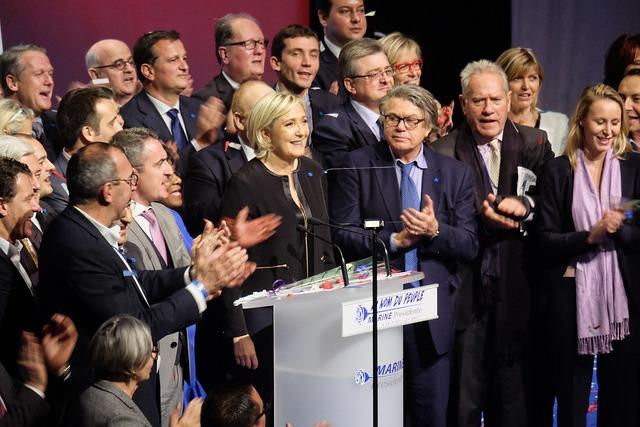
In the recent French elections, Marine Le Pen’s political party has made surprising inroads in the Caribbean territories, a development that has raised eyebrows and sparked debate among political analysts and observers. Traditionally seen as bastions of leftist sentiment and anti-colonial rhetoric, the islands have undergone a remarkable shift, with Le Pen’s National Rally garnering significant support. This article delves into the underlying factors contributing to her unexpected success in these overseas regions, exploring the complex intersections of identity, economic hardship, and discontentment with mainstream politics. As France grapples with its colonial legacy and the evolving dynamics of its diverse electorate, understanding this new electoral trend in the Caribbean is crucial for deciphering the broader implications for the nation’s political landscape.
Le Pen’s Caribbean Surge: Analyzing the Factors Behind Her Unexpected Success
Marine Le Pen’s recent achievements in the Caribbean can be attributed to a complex interplay of socio-economic dynamics and shifting political sentiments. The region, grappling with high unemployment rates and economic disillusionment, has shown an increasing frustration with traditional parties. This discontent fueled a desire for change, which Le Pen capitalized on by positioning herself as a voice for the disenfranchised. Her promises of job creation, stringent immigration policies, and national pride resonated deeply with voters who felt overlooked by mainland French politics.
Furthermore, Le Pen’s campaign adeptly tailored its messaging to address local issues, effectively bridging the gap between her nationalist platform and the unique concerns of Caribbean constituents. Key factors contributing to her appeal included:
- Effective Local Outreach: Engaging local leaders and grassroots movements enhanced her visibility.
- Cultural Resonance: Emphasizing themes of identity and heritage strengthened her connection with voters.
- Social Media Strategy: Leveraging social platforms to disseminate her message drew younger voters into her fold.
Addressing Local Concerns: Strategic Recommendations for Future Political Engagement in the Caribbean
In light of the recent electoral shifts in the Caribbean, particularly the strong performance of far-right candidates like Marine Le Pen, it is essential to understand and address the local concerns that underpin this support. Elections in largely French-speaking Caribbean territories reflect a unique interplay of cultural identity, economic frustration, and political disenchantment. Key factors influencing voter sentiment include:
- Economic Inequality: Many voters face persistent unemployment and high living costs, leading them to gravitate towards radical proposals that promise change.
- Identity Politics: A growing sense of island identity may lead voters to reject traditional parties seen as disconnected from local needs.
- Security Concerns: Rising crime rates have fueled fears, with some seeing far-right agendas as offering a tougher stance on law and order.
Strategically, engaging with these issues requires a nuanced understanding of local contexts. Future political entities aiming to restore faith in democratic processes must prioritize community engagement and transparent dialogue. This can be achieved by:
- Listening Tours: Political leaders should conduct regular town halls to hear directly from constituents about their concerns.
- Collaborative Policy-Making: Involving local leaders in the creation of policies can bridge the gap between government intentions and community needs.
- Education Campaigns: Increasing political literacy can empower voters, ensuring they understand the implications of their choices.
Closing Remarks
In conclusion, Marine Le Pen’s strong performance in the Caribbean signifies not only a shift in the political landscape but also underscores the complexities of regional identity and concerns surrounding immigration, economic hardship, and cultural preservation. As the French elections draw to a close, the implications of Le Pen’s success in these overseas territories will reverberate throughout national discourse, challenging mainstream narratives and forcing a reevaluation of the traditional political parties’ strategies. The results serve as a clarion call for policymakers to address the distinct needs and aspirations of Caribbean voters, who have increasingly felt disconnected from metropolitan France. As the nation grapples with these electoral outcomes, the future of French politics may well depend on its ability to engage with its diverse constituencies in a more inclusive and responsive manner. The question remains: will this performance mark a turning point or merely a momentary blip in the broader narrative of French electoral politics? Only time will tell.

