

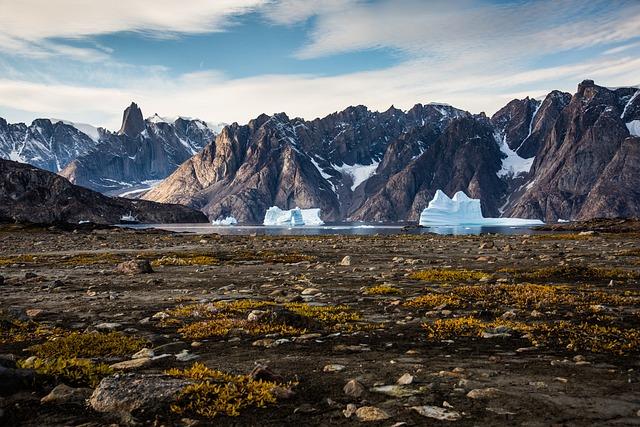
Why America May Not Have Won World War II Without Its Secret Weapon: Greenland
In the annals of World War II, the narrative has often spotlighted the battlefield bravery of soldiers, the strategic machinations of leaders, and the monumental clashes of military might that shaped the course of history. However, a lesser-known but pivotal player in this global conflict was the vast, icy expanse of Greenland. A remote and sparsely populated territory, Greenland may appear an unlikely candidate for a secret weapon, yet its critical role in the war effort revealed how geography, resources, and strategic positioning intertwined to influence the outcome of a titanic struggle. This article will explore how America’s acquisition of Greenland not only bolstered its military capabilities but also provided a crucial staging ground for operations against Nazi Germany, potentially altering the course of history in ways that resonate to this day. As we delve into this often-overlooked chapter of WWII, we will examine the strategic decisions that transformed this icy island into an asset of immense value, ultimately contributing to the Allied victory.
The Strategic Geopolitical Importance of Greenland in World War II Operations
Greenland’s strategic significance during World War II transcended its icy expanse, functioning as a pivotal military outpost for the Allies. The island’s geographic location between North America and Europe made it a crucial waypoint for air and naval operations. The establishment of bases such as Bluie West One and Bluie West Eight enabled the U.S. Air Force to conduct transatlantic flights, which were indispensable for transporting troops and supplies. Furthermore, Greenland’s rich mineral resources, particularly cryolite, played a vital role in aluminum production, vital for aircraft manufacturing, thereby directly supporting the war effort.
The collaboration between the United States and Danish authorities facilitated the coordination of operations that had far-reaching implications. Key contributions from Greenland included:
- Weather Stations: Providing essential meteorological data that influenced tactical decisions.
- Naval Operations: Serving as a refueling stop and intelligence hub for convoys crossing the Atlantic.
- Surveillance: Monitoring German naval movements from Arctic waters, ensuring early warnings for Allied forces.
Such activities underscored not only the immediate military advantages but also the long-term geopolitical ramifications of securing Greenland. The island emerged as a frontline in the Arctic theater, symbolizing the broader strategic maneuvering of the Allies to outmaneuver Axis powers, ultimately paving the way for victory.
Leveraging Historical Lessons: How Greenland Can Enhance Modern Military Strategy
In examining the strategic importance of Greenland during World War II, it’s crucial to recognize the lessons learned that can still apply to modern military operations. The geographic position of Greenland made it a pivotal location for air and naval bases, serving as a launching point for Allied forces. Today’s military strategies could benefit significantly from this historical understanding, particularly in the realms of logistics and long-range operations. Key takeaways include:
- Geography as a Force Multiplier: Assessing the strategic value of underutilized areas that can enhance operational reach.
- Infrastructure Development: Investing in resilient bases and supply chains that can withstand extremes.
- Intelligence Sharing: Leveraging local partnerships for enhanced situational awareness.
Moreover, during the war, the integration of intelligence extraction and reconnaissance missions from Greenland showcased a successful use of technology and adaptability. Such historical precedents suggest that enhancing surveillance capabilities and engaging in joint exercises with allied nations in Arctic regions can lead to more effective deterrence against contemporary threats. A reflection on this can be seen in the following insights:
| Strategy Element | Historical Insight | Modern Application |
| Base Development | Strategic bases in Greenland supported operations. | Establishing Arctic outposts for rapid deployment. |
| Coalition Forces | Allies collaborated for shared objectives. | Joint exercises with NATO partners for interoperability. |
| Adaptation | Flexible tactics in harsh environments. | Innovating technology for extreme climates. |
The Conclusion
In conclusion, the pivotal role of Greenland in World War II underscores the significance of often-overlooked elements in historical narratives. From its strategic location serving as a vital link between North America and Europe to its resources that bolstered military operations, Greenland emerged as an unsung hero in the Allied victory. As we reflect on the complexities of warfare, it becomes clear that success is rarely attributed to a single force or strategy. The story of America’s reliance on Greenland serves as a reminder of the interconnectedness of global events and the importance of collaboration in times of crisis. Understanding these dynamics not only enriches our historical perspective but also prompts us to appreciate the broader implications of geopolitical partnerships in addressing contemporary challenges. As history continues to unfold, the lessons from such alliances remain ever relevant, proving that sometimes, the key to victory lies where we least expect it.

