

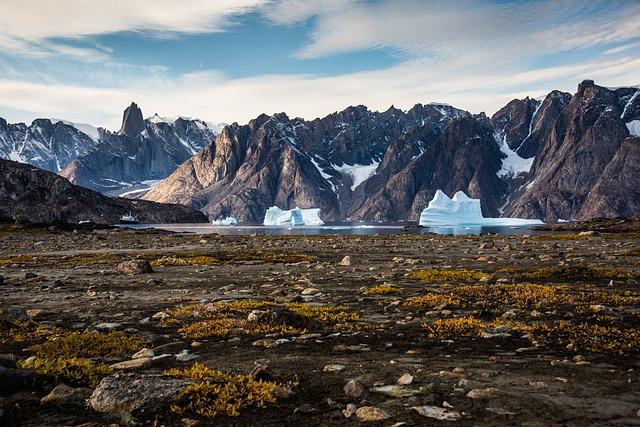
As geopolitical tensions continue to reshape the international landscape, Greenland stands at a critical crossroads, its significance magnified by global strategic interests. With the United States reasserting its influence in the Arctic and vying for dominance in this resource-rich territory, European nations are left to navigate their own responses to potential threats posed by U.S. actions in the region. The implications for security, trade, and environmental policy are profound, prompting urgent discussions among European leaders and strategists. In this article, we delve into how Europe might respond to future U.S. challenges to Greenland’s sovereignty, drawing insights from analysis by the Center for Strategic and International Studies (CSIS). As the Arctic heats up-both literally and figuratively-Europe’s strategic choices could redefine its role in Arctic geopolitics and beyond.
Europe’s Strategic Dilemma: Balancing Defense Initiatives and Diplomatic Engagement in Greenland’s Geopolitical Landscape
As geopolitical tensions escalate in the Arctic, Europe finds itself at a crossroads, torn between strengthening military capacities and pursuing diplomatic relations in Greenland. The emergence of new dynamics, including increased U.S. assertiveness and actions from Russia, underscores the urgency for a coordinated European response. Key considerations for European nations include:
- Enhanced Military Collaboration: Establishing unified defense portfolios focused on Arctic capabilities.
- Investment in Climate Resilience: Adapting military strategies to address climate-driven shifts in geopolitical landscapes.
- Joint Exercises: Conducting maritime security operations with NATO allies to project strength and readiness.
Simultaneously, diplomatic engagement remains crucial for stabilizing the region. Europe must balance its defense posture with active dialogue and partnerships with Arctic nations. This could involve initiatives such as:
- Cultural and Economic Partnerships: Promoting sustainable development projects that include Greenlandic stakeholders.
- Multilateral Forums: Strengthening international cooperation through organizations like the Arctic Council to address common interests.
- Scientific Collaboration: Conducting joint research on environmental impacts and resource management to build trust and reduce tensions.
| Strategy | Description |
|---|---|
| Military Readiness | Building capabilities specifically tailored for Arctic operations. |
| Diplomatic Outreach | Engaging local governments in Greenland to foster goodwill and collaboration. |
| International Cooperation | Working with global partners to secure peaceful governance in the Arctic. |
Proactive Measures for Europe: Strengthening Alliances and Enhancing Arctic Capabilities to Mitigate U.S. Pressures
In light of increasing geopolitical tensions and the potential for U.S. pressures on Greenland, European nations must take decisive steps to bolster their presence and influence in the Arctic region. Strengthening alliances, particularly within NATO and with Nordic countries, will be essential in presenting a united front. This collaboration can include joint military exercises, information-sharing mechanisms, and enhanced diplomatic dialogues focused on Arctic governance. By emphasizing collective security, Europe can ensure that its interests in Greenland are safeguarded against unilateral actions from the U.S. that may threaten regional stability.
Furthermore, enhancing Arctic capabilities should be a priority for European nations. This entails investing in specialized infrastructure, such as icebreakers and logistics support facilities, to facilitate year-round access to the Arctic. The establishment of a dedicated Arctic task force within the EU can also mobilize resources and coordinate response efforts effectively. By engaging in scientific research and environmental monitoring, Europe can assert its commitment to sustainable development while positioning itself as a leader in Arctic affairs. Key strategies may include:
- Increased funding for Arctic research initiatives
- Development of cooperative agreements on resource management
- Promotion of climate resilience strategies in Arctic communities
| Action Item | Description |
|---|---|
| Joint Military Exercises | Conduct regular drills with NATO allies in the Arctic region to enhance readiness. |
| Infrastructure Development | Invest in port upgrades and Arctic research stations to support operations. |
| Environmental Partnerships | Collaborate with indigenous communities to promote climate adaptation measures. |
In Summary
In conclusion, as geopolitical dynamics continue to evolve, Europe finds itself at a critical juncture regarding its response to potential U.S. threats to Greenland. The implications of such tensions extend beyond mere territorial disputes, touching on vital issues of sovereignty, security, and international cooperation. The strategies discussed-ranging from bolstering diplomatic ties to enhancing regional defense capabilities-underscore the necessity for a unified approach among European nations. As the stakes rise in the Arctic and broader transatlantic relations are tested, Europe must navigate these challenges with prudence and resolve. The future of Greenland could very well hinge on the actions taken today, signifying a pivotal moment for European leadership on the global stage. The world will be watching as Europe shapes its response to safeguard its interests and reinforce its role in this increasingly complex geopolitical landscape.

