

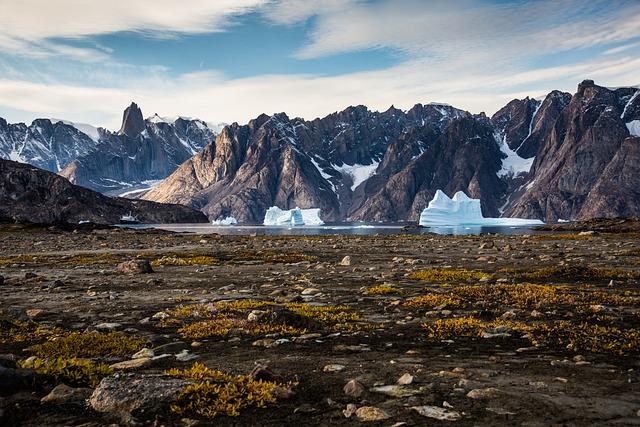
In recent years, global geopolitical dynamics have shifted dramatically, prompting a renewed focus on strategic locations that could reshape the balance of power. One of the most intriguing flashpoints in this evolving landscape is Greenland-a vast, ice-covered territory that has emerged as a focal point in America’s international ambitions. As tensions escalate between superpowers, the Arctic’s significance is magnified, raising questions about resource access, climate change, and national sovereignty. This article delves into the complex implications of America’s renewed interest in Greenland, positing that the island is not merely a target for expansion, but a telling indicator of the United States entering what some experts are calling its second imperial era. By examining the historical context, current political maneuvers, and the broader implications for global stability, we explore how Greenland acts as a microcosm of a larger narrative unfolding on the world stage.
Greenland as a Strategic Chess Piece in Global Power Dynamics
In the intricate web of global geopolitics, Greenland has emerged as a pivotal player, not merely for its vast natural resources but also as a symbol of shifting power dynamics. With the Arctic melting and opening new shipping routes, nations are increasingly pivoting their attention toward this island, making it a strategic chess piece on the global stage. The increasing military presence, resource exploration, and heightened diplomatic engagements underscore the area’s significance, illustrating how the competition for control over Arctic territories is heating up. Key nations, including the United States, China, and Russia, are meticulously plotting their strategies around this territory, foreseeing it as crucial to their long-term interests.
The race for influence over Greenland is representative of a more profound trend indicating a new era of imperial competition. The following factors illustrate this repositioning of power:
- Resource Riches: The potential for oil, gas, and rare minerals makes Greenland an attractive prize for resource-hungry powers.
- Strategic Location: Its geographical positioning serves as a gateway to the North Atlantic and Arctic regions.
- Melting Ice Caps: The repercussions of climate change are opening previously inaccessible maritime routes, making Greenland a maritime lynchpin.
Amid this geopolitical chess game, it becomes evident that in the quest for dominance, the focus on Greenland symbolizes broader trends of imperial aspirations and rivalries in what could be viewed as America’s resurgence in global power politics.
Understanding the Implications of America’s Renewed Imperial Ambitions
The recent developments surrounding Greenland highlight a key aspect of America’s foreign policy-its renewed imperial ambitions are not merely about territorial acquisition but rather about establishing dominance in strategic resource control. With the melting Arctic ice revealing vast reserves of natural resources, the United States seeks to strengthen its foothold in the region to ensure access to essential materials for both military and economic purposes. This situation demonstrates a broader trend where the U.S. is likely to exploit geopolitical tensions to expand its influence, particularly in areas rich in resources critical to future technologies.
As the global landscape shifts, several implications emerge from this renewed focus on imperialism. Key factors include:
- Geopolitical Tensions: Increased competition with nations like China and Russia for influence in the Arctic and beyond fuels regional tensions.
- Resource Sovereignty: The U.S. may prioritize its own resource needs over the rights of local populations and indigenous communities.
- Environmental Concerns: The push for resource extraction raises significant concerns regarding ecological sustainability and climate change impacts.
To visualize America’s evolving strategy, the following table outlines the strategic interests in polar regions:
| Country | Strategic Interest | Potential Challenges |
|---|---|---|
| United States | Military bases, resource extraction | Diplomatic fallout, environmental damage |
| China | Trade routes, fishing rights | International condemnation, territorial disputes |
| Russia | Energy resources, military presence | Sanctions, NATO responses |
In Summary
In conclusion, the unfolding narrative surrounding Greenland extends far beyond the icy shores of the world’s largest island. It serves as a crucial indicator of a broader geopolitical shift as the United States navigates its entry into a new phase of global influence. As resources become increasingly scarce and geopolitical tensions rise, the U.S. appears poised to assert its dominance in regions traditionally viewed through the lens of imperial ambition. This emerging paradigm raises critical questions about national sovereignty, environmental stewardship, and the ethical implications of state-driven expansionism. As we move forward, the actions taken in and around Greenland may be considered not merely as strategic maneuvers, but as defining moments of a new imperial era that could reshape international relations for generations to come. The world watches closely, as the implications of this pivot may echo far beyond the Arctic, influencing global politics, climate policy, and the future of international cooperation.

