

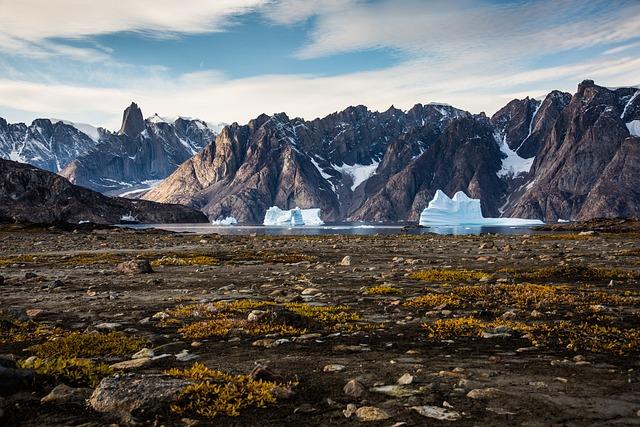
Greenland to Introduce Ban on Seabed Mining Amid Environmental Concerns
In a significant move aimed at safeguarding its unique marine ecosystem, Greenland has announced its intention to implement a ban on seabed mining. This decision follows increasing international scrutiny regarding the environmental impacts of underwater resource extraction, particularly in fragile Arctic regions. As advocates for climate protection applaud the ban, government officials cite the need for sustainable practices and the preservation of Greenland’s natural heritage. The proposed legislation, which is expected to reshape the future of mineral exploration and extraction in the country, comes at a time when interest in Arctic resources continues to rise due to climate change and technological advancements. This article explores the implications of Greenland’s ban on seabed mining, the motivations behind the decision, and the potential consequences for local communities and the global mining industry.
Greenland’s Bold Step Towards Environmental Preservation with Seabed Mining Ban
In a significant move aimed at safeguarding its unique ecosystem, Greenland has announced plans to implement a comprehensive ban on seabed mining. This decision underscores the country’s commitment to environmental integrity while highlighting the growing recognition of the importance of protecting marine habitats from industrial activities. The ban will prevent the extraction of minerals and metals from the ocean floor, an area that is home to fragile and diverse marine life. Stakeholders in the region have expressed support for this initiative, recognizing that the long-term health of Greenland’s environment must take precedence over short-term economic gains.
The implications of this ban extend beyond national borders, positioning Greenland as a leader in global environmental preservation. Key benefits of this policy include:
- Protection of Biodiversity: Safeguarding diverse marine ecosystems from potential mining impacts.
- Reducing Carbon Footprint: Limiting activities that may contribute to climate change.
- Community Support: Engaging local communities in conservation efforts and sustainable practices.
As the world grapples with the challenges posed by climate change and ecological degradation, Greenland’s decisive action serves as a pivotal example of the transformative power of environmental policies. This bold move encourages other nations to reevaluate their priorities and consider how resource management can align with preserving the planet for future generations.
Implications for Local Economies and Global Environmental Standards Following Greenland’s Decision
The ban on seabed mining in Greenland could herald a significant shift in local economic structures, particularly in areas reliant on resource extraction. As the global demand for rare earth elements and minerals continues to rise, the decision to prohibit seabed mining aims to prioritize sustainable development over short-term economic gain. Local communities may face challenges in adjusting their economic strategies, but this move offers opportunities to invest in alternative industries such as tourism, fisheries, and renewable energy. The potential benefits may include:
- Enhanced tourism appeal: A focus on preserving natural habitats can attract eco-tourism.
- Diverse job creation: Development of sustainable industries offers new employment avenues.
- Improved community health: Cleaner environments can lead to better living conditions and public health.
At a global level, Greenland’s decision sends a powerful message regarding environmental standards and the need for greater accountability in resource management. The precedent set by this ban could influence international policies surrounding seabed mining, prompting other nations to reevaluate their mining practices. As countries grapple with climate change and biodiversity loss, the embrace of stringent regulations may become the norm rather than the exception. This could lead to:
- Strengthened international coalitions: Nations may form alliances to advocate for stricter environmental protections.
- Heightened scrutiny on mining corporations: Companies might face increased pressure to adopt sustainable practices.
- Innovative regulatory frameworks: New laws could emerge to ensure responsible resource extraction globally.
To Wrap It Up
In conclusion, Greenland’s decision to implement a ban on seabed mining marks a significant step in prioritizing environmental sustainability over resource extraction. This move, driven by concerns over biodiversity and the ecological health of its marine habitats, reflects a growing global awareness of the impacts of mining activities on fragile ecosystems. As nations grapple with the balance between economic development and environmental protection, Greenland’s proactive stance may serve as a model for other jurisdictions contemplating similar regulations. Stakeholders in the mining industry, conservation groups, and policy-makers will undoubtedly be watching closely as the implications of this ban unfold. The future of seabed mining remains uncertain, but Greenland’s commitment to safeguarding its natural resources resonates in an era increasingly focused on sustainable practices and climate responsibility.

