

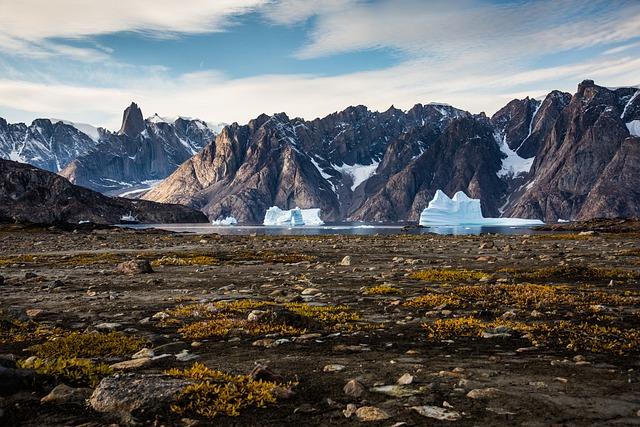
In a development that has reignited discussions about geopolitical interests and territorial aspirations, former President Donald Trump has issued a stark warning regarding the future of Greenland, calling it a “fateful moment” for the island nation. His assertion that the United States will secure control of Greenland “one way or the other” has raised eyebrows and prompted concerns over the implications for both the Danish territory and U.S. foreign policy. As Greenland finds itself at the intersection of global climate change, natural resource exploitation, and international rivalry, this bold declaration underscores the critical decisions facing the island’s leaders and its people. Adding to the complexity, Trump’s comments follow a history of strained negotiations and aspirations surrounding Greenland’s strategic significance in the Arctic region. As the international community closely monitors these developments, the situation poses vital questions about sovereignty, resource management, and the future of transatlantic relations.
Greenland’s Strategic Importance Under Spotlight as U.S. Reiterates Commitment to Territorial Interests
As political tensions increase on the global stage, Greenland has emerged as a focal point for international diplomacy, particularly regarding U.S. interests in the Arctic region. Officials have emphasized that Greenland holds critical resources and strategic military value. This aligns with the U.S. government’s plan to bolster its presence in the Arctic, partly driven by competition with China and Russia. In light of recent statements, it has become clear that U.S. policymakers view Greenland not just as a remote territory but as a vital asset for national security.
Stakeholders are now focused on the implications of increased American interest. Experts have noted several key factors contributing to Greenland’s evolving role:
- Resource Riches: From significant mineral deposits to vast reserves of oil and gas, the potential for economic exploitation is substantial.
- Geopolitical Leverage: Greenland’s strategic location in the North Atlantic makes it a strategic waypoint for military operations.
- Climate Impact: As climate change opens up new waterways, the Arctic is becoming more navigable, further heightening its importance.
With these factors in play, the conversation surrounding the territory’s future has left many wondering about the possible implications for local governance and sovereignty. The Greenlandic government has been vocal about its desire for autonomy, leading to a complicated dynamic as international negotiations unfold.
Navigating a Path Forward: Recommendations for Diplomatic Engagement and Sustainable Development in Greenland
In the wake of increasing international attention towards Greenland, particularly following remarks by former President Trump, the need for a balanced approach to diplomatic relations and sustainable development has never been more pressing. The autonomous territory stands at a crossroads, grappling with the pressures of global interest in its vast mineral resources and the potential consequences of climate change. To navigate this complex landscape, it is essential that Greenland emphasizes collaborations that respect its sovereignty and cultural heritage while harnessing economic opportunities.
Key recommendations for moving forward include:
- Forge strong alliances: Strengthen partnerships with neighboring Arctic nations to create a unified front that addresses shared environmental concerns and resource management.
- Prioritize sustainable practices: Implement regulations that promote eco-friendly mining and tourism, ensuring that economic benefits do not come at the expense of natural habitats.
- Engage local communities: Involve Indigenous populations in decision-making processes to ensure that development projects align with community values and needs.
- Enhance international diplomacy: Pursue diplomatic initiatives that highlight Greenland’s strategic importance while advocating for climate resilience and adaptability measures.
Furthermore, a collaborative framework could be established to facilitate dialogue between Greenland, the United States, and other stakeholders. This would involve creating a transparent platform for sharing data and best practices regarding climate change impact, socioeconomic developments, and cultural preservation. Incorporating the voices of local leaders and organizations into these discussions will ensure that Greenland’s unique position and future are navigated effectively and equitably.
The Conclusion
In conclusion, Greenland stands at a critical juncture as geopolitical tensions and ambitions surrounding the Arctic intensify. Trump’s assertive declaration regarding the future of the territory underscores the growing interest of major powers in the region, highlighting the complexities at play in both international relations and environmental considerations. As debates simmer over sovereignty, climate change, and economic opportunities, the fate of Greenland and its people hangs in the balance. The coming months will be pivotal, not just for the autonomous territory, but for the broader implications on global diplomacy and environmental stewardship. As stakeholders closely monitor these developments, the world will be watching how this ‘fateful moment’ unfolds.

