

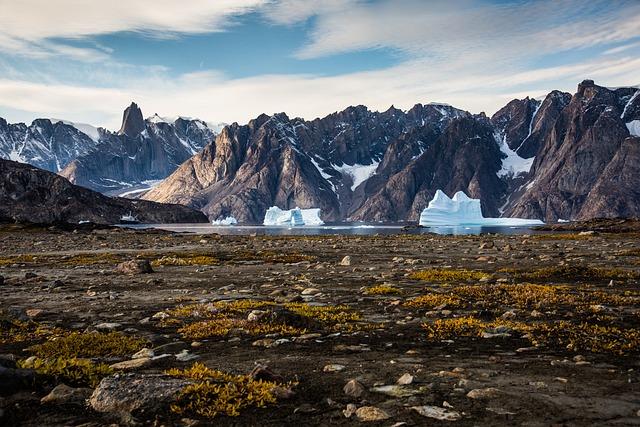
In a striking geopolitical maneuver, the United States has made significant strides in securing its influence in the Arctic region, with Greenland emerging as a pivotal piece on the global chessboard. Despite the controversies that often cloud international relations, recent developments highlight a historic victory for the U.S. in its quest to establish a stronger foothold in this strategically vital area. As tensions rise around climate change, resource exploration, and military presence in the Arctic, the implications of this victory extend far beyond traditional political boundaries. In this article, we explore the historical context and current ramifications of America’s engagement with Greenland, emphasizing the importance of setting aside partisan divides to recognize the broader implications of this shift. As we delve into the complexities of international diplomacy, it becomes clear that the stakes are high, and the future of Arctic governance is being forged in these pivotal moments.
Greenland’s Strategic Importance: Analyzing America’s New Frontier in the Arctic
Greenland has emerged as a focal point in geopolitical discussions, offering a confluence of strategic military importance and valuable natural resources. As nations compete for dominance in the Arctic, this territory presents unique opportunities for the United States to solidify its position in the region. Key aspects include:
- Military Bases: Greenland is strategically located between North America and Europe, providing the U.S. military with potential sites for advanced defense systems and surveillance operations.
- Resource Grab: The ice in Greenland is melting, uncovering vast reserves of minerals, oil, and natural gas-resources crucial for energy independence and economic growth.
- Research Opportunities: Climate change research in Greenland is vital for global scientific understanding, allowing the U.S. to lead on environmental issues while boosting diplomatic ties.
Furthermore, the evolving landscape around Greenland opens avenues for increasing international collaborations. As Arctic routes become navigable due to climate change, Greenland’s ports will play a crucial role in global trade dynamics. The Arctic Council, comprising eight nations including the U.S., provides a platform for dialogue about maritime safety, scientific research, and sustainable development. To illustrate Greenland’s evolving geopolitical role, the following table highlights key factors:
| Factor | Significance |
|---|---|
| Geographic Location | Access point to Arctic shipping lanes |
| Natural Resources | Potential supplier of rare earth elements |
| Environmental Significance | Key player in global climate patterns |
Charting a Path Forward: Recommendations for Leveraging Greenland’s Resources and Partnerships
To secure the long-term benefits of Greenland’s vast natural resources, a multifaceted approach is essential. First, collaboration with local communities should be prioritized. This means establishing partnerships that not only respect the indigenous culture but also involve them in decision-making processes regarding land use and resource extraction. Additionally, engaging with environmental organizations can ensure sustainable practices are integrated into any development plans. Some key recommendations include:
- Develop joint ventures with local businesses to promote economic growth.
- Invest in renewable energy sources to balance resource extraction impacts.
- Implement educational programs to train local populations in sustainable practices.
Furthermore, the United States should seek to strengthen geopolitical ties through strategic partnerships, enhancing its influence in the Arctic region. This can be achieved by acknowledging the role of international players and forming coalitions that could underpin security and development efforts. Establishing a formal framework for international cooperation in Arctic governance will also nurture stability. A proposed outline for these partnerships includes:
| Partnering Entity | Role | Potential Benefit |
|---|---|---|
| Denmark | Political collaboration | Strengthened Arctic policies |
| Canada | Environmental initiatives | Shared conservation goals |
| Research Institutions | Technological development | Innovative sustainable methods |
Final Thoughts
As we reflect on the implications of the recent developments in Greenland, it’s clear that this historic agreement transcends partisan divides, offering a unique opportunity for the United States to enhance its geopolitical standing in the Arctic. By focusing on collaboration over conflict and moving beyond political rhetoric, this initiative not only benefits U.S. interests but also fosters stronger relationships with Greenland and Denmark. As global attention shifts toward the Arctic, the commitment to sustainable partnership and responsible stewardship of this vital region will define the success of this new chapter. In a world fraught with division, Greenland stands as a testament to what can be achieved when we prioritize collective progress over political agendas. The road ahead may be challenging, but the potential rewards make this a triumph worth celebrating.

