

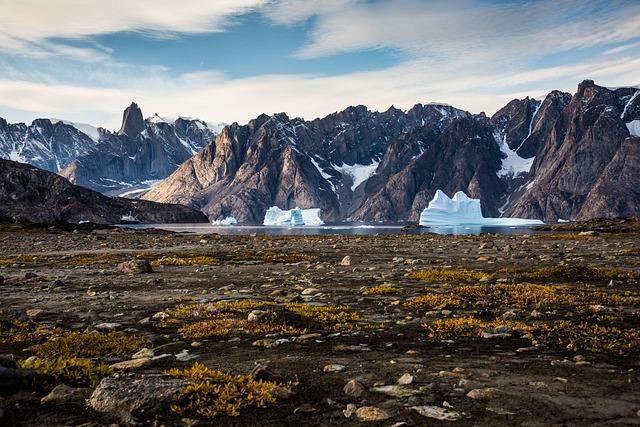
In a geopolitical landscape fraught with tension and competition, recent developments regarding the United States’ access to Greenland have sparked discussions about the balance of diplomacy and force. The U.S. government has reportedly negotiated favorable terms for a strategic partnership with one of the world’s largest islands, a region rich in resources and pivotal for Arctic interests. Yet, as these negotiations unfold, questions arise about the necessity of the threats that have accompanied this diplomatic effort. Did the U.S. need to resort to intimidation to secure its position, or could a more diplomatic approach have sufficed? This article explores the intricacies of the U.S.-Greenland deal, examining the implications of both tactics on international relations and regional stability.
U.S. Strategic Interests in Greenland: Balancing Diplomacy and Military Presence
The geopolitical significance of Greenland has risen sharply in recent years, particularly as climate change unveils new shipping routes and access to untapped natural resources. U.S. strategic interests in Greenland focus on several key areas: securing Arctic routes, establishing a strong military foothold, and fostering economic partnerships that benefit both nations. Given the island’s proximity to Russia and Canada, the U.S. views it as a critical location for monitoring potential threats and promoting stability in the Arctic. In this context, U.S. military installations and surveillance capabilities serve not only national defense purposes but also reinforce diplomatic ties with Danish authorities and the Inuit population.
However, the methods employed to gain access to Greenland have raised questions about the appropriateness of employing threats in diplomatic negotiations. Critics argue that while the desire for a robust military presence is valid, it is essential to pursue cooperative avenues that respect Greenland’s autonomy. Key considerations in this delicate balance include:
- Engaging with local communities to build trust
- Investing in sustainable development initiatives
- Collaborating on environmental protection measures
To enhance U.S.-Greenland relations, it is crucial that any military presence is coupled with genuine partnership initiatives, ensuring that Greenland’s sovereignty and cultural heritage are respected while addressing mutual security challenges.
Examining the Role of Threats in International Negotiations: A Path Forward for U.S.-Greenland Relations
The recent developments in U.S.-Greenland relations have sparked intense debate over the effectiveness of using threats as a negotiating strategy. While the U.S. government has successfully secured access to Greenland’s valuable resources, this raises questions about the ethical and diplomatic implications of such tactics. Key factors in this negotiation included:
- Resource Demand: Greenland is rich in minerals and rare earth elements crucial for high-tech industries.
- Strategic Positioning: The island serves as a critical geographical location in Arctic geopolitics.
- International Partnerships: The need to navigate relationships with other nations interested in Greenland’s resources.
Utilizing threats in negotiations can yield immediate results, but it often undermines long-term diplomatic ties. The collateral damage of such a strategy can manifest in various ways, including strained relations and a lack of trust. Should the U.S. consider a more collaborative approach in future dealings, it could lead to:
- Enhanced Cooperation: Building partnerships based on mutual respect rather than fear.
- Sustainable Agreements: Developing frameworks that benefit both parties economically and politically.
- Improved Regional Stability: Fostering a sense of security and cooperation in the Arctic region.
Given these factors, the future of U.S.-Greenland relations hinges on the balance between assertiveness and diplomacy. As the global landscape evolves, adapting negotiation strategies will be vital for fostering enduring partnerships.
The Way Forward
In conclusion, the recent developments regarding the U.S. acquisition of access to Greenland have sparked a complex dialogue about the balance between strategic interests and diplomatic relations. While the advantages of enhanced presence in the Arctic may be evident, the question remains: were the underlying threats necessary to secure this deal? As global attention increasingly turns to the strategic significance of the Arctic region, it is critical for policymakers to navigate these waters with caution and foresight. The actions taken now will shape not only U.S.-Greenland relations but also the broader geopolitical landscape for years to come. Observers will undoubtedly continue to monitor the implications of this agreement, weighing the costs of assertive diplomacy against the potential rewards in a rapidly changing world.

