

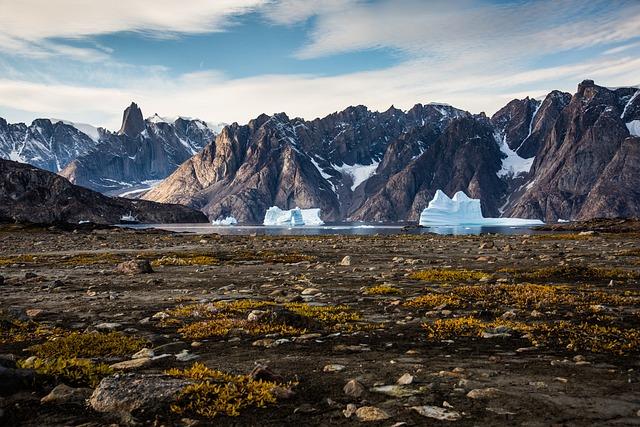
In a recent statement that has sparked international discussion, U.S. Senator Marco Rubio remarked that Greenland is “part of Denmark for now,” raising questions about the future of the world’s largest island. Amid ongoing geopolitical tensions and evolving dynamics between global powers, Rubio’s comments highlight the delicate nature of territorial claims and alliances in the Arctic region. As Greenland continues to assert its autonomy and seeks greater independence, the implications of such statements extend beyond diplomatic rhetoric, touching upon economic, environmental, and strategic considerations that could reshape the landscape of Arctic governance. This article will explore the context behind Rubio’s remarks, the historical ties between Greenland and Denmark, and the broader implications for international relations in a rapidly changing geopolitical environment.
Greenland’s Political Status Under Scrutiny as Marco Rubio Signals Uncertainty
In recent remarks, U.S. Senator Marco Rubio has raised eyebrows regarding the long-term political status of Greenland, a territory currently under Danish administration. His statement, implying uncertainty over Greenland’s integration into the Kingdom of Denmark, has sparked discussions about geopolitical implications in the Arctic region. Analysts suggest that this shift in dialogue may signal potential U.S. interests in reshaping alliances and recognizing the growing autonomy movement within Greenland, which has been gaining traction over the past few years. Key points of contention include:
- The increasing push for independence: Greenland has its own parliament and government, with growing calls for self-determination.
- Strategic military interests: The Arctic’s melting ice is leading to heightened naval activity; competitors are eyeing resource-rich territories.
- Environmental concerns: The effects of climate change may significantly alter both the landscape and the sociopolitical dynamics of the region.
Rubio’s comments come amid heightened interest in the geostrategic significance of Greenland, particularly from nations like Russia and China. As current trends indicate a more assertive approach to Arctic policies, the need for a clearer understanding of Greenland’s political framework is becoming crucial. The table below outlines key facts about Greenland’s current governance and its relationship with Denmark:
| Aspect | Details |
|---|---|
| Current Status | Self-governing territory within the Kingdom of Denmark |
| Population | Approximately 56,000 |
| Main Economy Sectors | Fishing, mining, tourism |
| Political System | Parliamentary democracy |
Exploring Potential Pathways for Greenland’s Future: Autonomy or Independence Options
Greenland’s status as part of the Kingdom of Denmark has long prompted discussions about its future. While some leaders, including U.S. Senator Marco Rubio, reaffirm the territory’s connection to Denmark, voices within Greenland are increasingly advocating for greater autonomy or even full independence. The growing interest in independence is fueled by a desire for self-determination and the ability to control vast natural resources, such as rare earth minerals, that could potentially boost Greenland’s economy. As debates heat up, it’s essential to explore the spectrum of autonomy options available to Greenland.
Several potential pathways could shape Greenland’s trajectory, each with unique implications and challenges:
- Enhanced Autonomy: This pathway could allow Greenland greater control over local governance while retaining Danish sovereignty, ensuring continued support in areas like defense and foreign policy.
- Full Independence: Advocates argue that independence could empower Greenland to manage its natural resources and international relations, though it may also pose challenges in terms of economic stability and development.
- Special Status Agreement: A compromise option could involve a special status arrangement that grants Greenland self-governance alongside specific economic ties to Denmark.
| Pathway | Advantages | Challenges |
|---|---|---|
| Enhanced Autonomy | Increased local governance | Continued dependence on Denmark |
| Full Independence | Control over resources | Economic risks and capabilities |
| Special Status Agreement | Balanced approach to governance | Complex negotiations required |
Final Thoughts
In conclusion, Senator Marco Rubio’s remarks bring to light the complex geopolitical dynamics surrounding Greenland’s status as part of the Kingdom of Denmark. As international interest in the Arctic region intensifies amidst growing concerns over climate change and resource accessibility, discussions about Greenland’s future remain more relevant than ever. While the senator’s comments suggest potential shifts in sovereign dynamics, they also underscore the need for diplomatic engagement and collaboration among nations invested in the Arctic. As the global landscape evolves, so too will the conversations around Greenland, leaving its status an open question-one that the world will undoubtedly continue to watch closely.

