

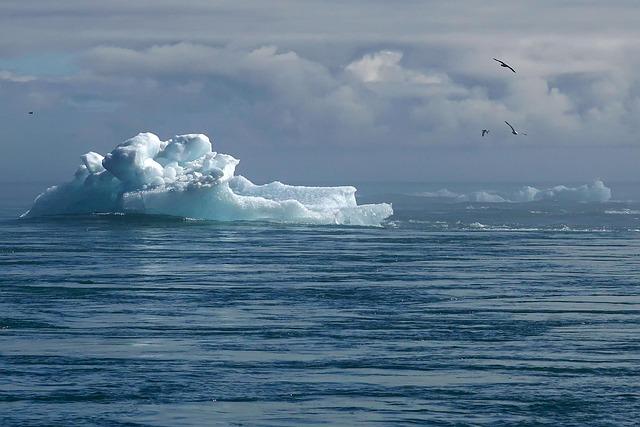
As the Arctic ice continues to melt at an alarming rate, the dynamics of international relations in this remote region are undergoing a profound transformation. Once perceived as a desolate expanse, the Arctic has emerged as a focal point of geopolitical competition, driven by the potential for new shipping routes, untapped natural resources, and the implications of rising sea levels. In this critical juncture, nations are jockeying for influence, often with conflicting interests that could spark tensions among global powers. In this article, we delve into how climate change is not only altering the physical landscape of the Arctic but also reshaping the geopolitical framework that governs it, drawing in stakeholders from across the globe as they navigate the precarious balance between environmental concerns and national interests. Reports from experts and observations from the frontline illuminate the intricate interplay between climate policy and power politics, underscoring that the future of the Arctic is as much about survival as it is about strategy.
The Melting Arctic: Emerging Geopolitical Tensions and Collaborative Opportunities
The changing climate has significantly accelerated the melting of Arctic ice, revealing new navigable waterways and vast untapped natural resources. As temperatures rise, countries bordering the Arctic-namely Canada, Denmark, and Russia-are racing to assert their claims over these emerging areas. The loosening grip of ice not only opens pathways for shipping, enhancing trade opportunities, but also presents a strategic military interest. The potential for new shipping lanes, such as the Northern Sea Route and the Northwest Passage, is transforming maritime routes and might lead to an economic renaissance for nations willing to invest in this frigid frontier.
However, these developments also raise concerns regarding heightened tensions among Arctic nations. Nationalistic fervor could exacerbate territorial disputes and introduce conflicts over fishing rights and resource exploitation. In response, a collaborative approach is being advocated, centered around frameworks like the Arctic Council, which can foster cooperative governance to address shared challenges. By prioritizing sustainable practices, countries can work together to balance ecological preservation against economic gains and ensure that the Arctic remains a space for mutual benefit rather than geopolitical strife. Below is a summary of some key players’ interests in the Arctic:
| Country | Interests |
|---|---|
| Canada | Indigenous rights, resource exploration |
| Russia | Military presence, energy resources |
| United States | Shipping routes, scientific research |
| Denmark | Greenland governance, fisheries |
Navigating New Frontiers: Strategies for Sustainable Governance in Arctic Development
As the Arctic continues to warm at an unprecedented rate, the complex interplay of environmental change and geopolitical interests is prompting a reevaluation of governance strategies in the region. Nations are racing to secure access to untapped natural resources, while indigenous communities strive for recognition and protection of their ancestral lands. Effective governance in this fragile territory hinges on a collaborative approach that prioritizes sustainability and respects the rights of local populations. Key strategies include:
- Multi-stakeholder Engagement: Enabling dialogues between governments, corporations, and indigenous groups to ensure comprehensive decision-making.
- Evidence-Based Policy-Making: Leveraging scientific research to inform regulations that balance development with ecological preservation.
- Adaptive Management Practices: Implementing flexible governance mechanisms that can respond to the rapid changes initiated by climate variability.
Moreover, the situation demands innovative frameworks that transcend traditional boundaries, fostering partnerships among Arctic states and beyond. For instance, regional agreements can facilitate shared oversight of emergent shipping routes and resource extraction projects, mitigating potential conflicts. Furthermore, the establishment of accountability measures is paramount to ensure compliance with commitments. Below is a snapshot of emerging governance initiatives:
| Initiative | Description |
|---|---|
| Arctic Council | A high-level intergovernmental forum promoting cooperation, coordination, and interaction among Arctic states. |
| Polar Code | International guidelines for shipping in polar waters, emphasizing safety and environmental protection. |
| Indigenous Rights Frameworks | Policies aimed at upholding the rights of Arctic indigenous peoples as stewards of their lands. |
In Conclusion
As the Arctic continues to warm at an alarming rate, the implications of climate change extend far beyond environmental consequences, reshaping the geopolitical landscape of the region. Nations that once viewed the Arctic as a remote and inhospitable territory are now vying for influence and access to its untapped resources and shipping routes. This evolving dynamic calls for a re-evaluation of diplomatic strategies, international cooperation, and conflict resolution efforts as stakeholders navigate the challenges and opportunities presented by a rapidly changing Arctic.
In the face of these unprecedented changes, the need for a coordinated global response becomes increasingly urgent. The impacts of climate change are not just a local concern; they resonate across borders and demand collaborative solutions. As various nations stake their claims and assert their interests, it is vital that dialogue and partnerships remain at the forefront of Arctic governance.
Ultimately, the story of the Arctic is one of resilience and adaptation, underscoring the importance of addressing climate change holistically. With the stakes higher than ever, the international community must rise to the occasion, ensuring that the future of the Arctic is shaped not by conflict, but by cooperation and shared stewardship of this vital region. As we turn our attention to the years ahead, the question remains: will the lessons learned from a warming Arctic influence actions that prioritize sustainability and peace, or will geopolitical rivalries overshadow the imperative of climate action? The answer lies in our collective commitment to the future of the planet.

