

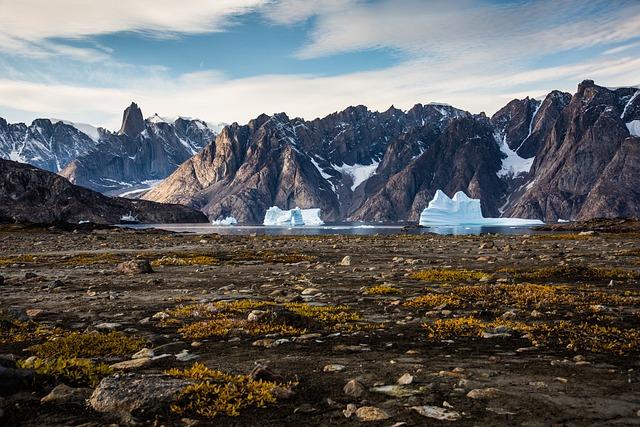
In a significant development in international relations, the United States and Denmark are poised to sign a pivotal accord that could reshape their collaborative efforts in Greenland. This agreement, set to be formalized in the coming weeks, underscores the strategic importance of Greenland amid escalating geopolitical tensions and the pursuit of sustainable development in the Arctic region. As climate change intensifies the focus on Arctic resources and navigation routes, this accord aims to bolster cooperation between the two nations, enhancing economic ties and environmental stewardship. Stakeholders from both countries are anticipating that this partnership will not only strengthen their longstanding alliances but also contribute to a more stable and sustainable future for Greenland and its inhabitants.
Greenland Accord Set to Strengthen US-Denmark Relations and Foster Sustainable Development
In a significant diplomatic move, the impending accord between the United States and Denmark marks a pivotal moment for both nations, particularly regarding their collaborative efforts in the Arctic region. This agreement is anticipated to not only enhance political ties but also optimize joint strategies aimed at addressing climate change and promoting ecological sustainability. Key elements of the accord include:
- Joint Research Initiatives: Collaborative studies on climate impacts in the Arctic.
- Infrastructure Investments: Funding sustainable projects to bolster local economies.
- Indigenous Rights Advocacy: Commitment to upholding and supporting the rights of Greenlandic communities.
This partnership emphasizes a shared vision of sustainable development, recognizing the importance of the Arctic as a pivotal area for environmental conservation and resource management. Expected benefits to both nations encompass:
- Enhanced Military Cooperation: Strengthening defense and security operations in the Arctic.
- Economic Opportunities: Opening avenues for green technology and renewable energy projects.
- Global Leadership Role: Positioning both nations as frontrunners in climate action on the international stage.
Insight into Environmental Strategies and Economic Opportunities Emerging from the Greenland Agreement
The recent agreement between the United States and Denmark regarding Greenland presents a significant opportunity to innovate in environmental strategies. As global focus shifts toward sustainability, Greenland’s unique ecosystem offers a laboratory for developing and implementing new environmental policies. With expanding interest in renewable energy sources and sustainable practices, key areas that are likely to benefit include:
- Green Energy Initiatives: Harnessing wind and solar power to reduce reliance on fossil fuels.
- Research and Development: New technologies aimed at climate change mitigation to be tested in Greenland’s challenging environment.
- Biodiversity Conservation: Strategies to protect native species and their habitats while promoting ecotourism.
Beyond environmental advancements, the accord opens the door for economic opportunities that could enhance Greenland’s financial stability. Investment in infrastructure, particularly in sectors like tourism and fisheries, can stimulate growth while ensuring sustainable use of resources. Potential economic benefits include:
| Economic Sector | Potential Benefits |
|---|---|
| Tourism | Increased visitor numbers driving local businesses. |
| Renewable Energy | Job creation in green technologies and energy sectors. |
| Fisheries | Sustainable practices leading to long-term viability and exports. |
The Conclusion
In conclusion, the impending agreement between the United States and Denmark regarding Greenland underscores the strategic importance of the Arctic region in an era marked by geopolitical shifts and climate change. By formalizing their collaborative efforts, both nations aim to enhance sustainability, protect unique ecosystems, and promote economic development on the island. As global attention increasingly focuses on the Arctic, this accord not only solidifies the partnership between the US and Denmark but also sets a precedent for future international cooperation in the face of shared challenges. Stakeholders and observers alike will be keenly watching how this agreement unfolds and impacts the broader dynamics of the Arctic region.

