

Dengue Outbreak Escalates in Latin America and the Caribbean: Over 3.5 Million Cases and 1,000 Fatalities Reported
In a troubling surge of dengue fever, health authorities across Latin America and the Caribbean are grappling with unprecedented numbers, as recent reports indicate over 3.5 million cases and upwards of 1,000 deaths attributed to the mosquito-borne virus. The outbreak, which has intensified in recent months, has created a public health crisis that is straining medical resources and prompting urgent calls for preventive measures. Epidemiologists warn that rising temperatures and increasing rainfall-conditions conducive to the breeding of disease-carrying mosquitoes-could exacerbate the situation in the months ahead. As governments and health organizations work tirelessly to combat this escalating epidemic, the need for effective strategies and community engagement has never been more critical.
Dengue Outbreak Escalates in Latin America and Caribbean Regions
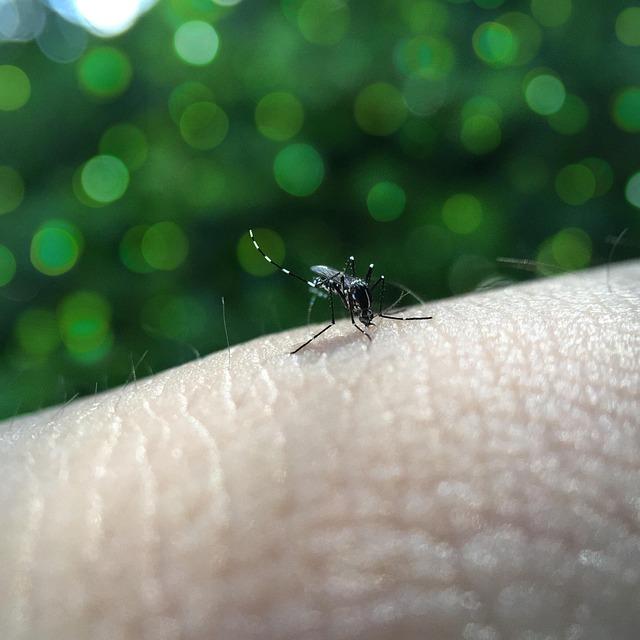
The dengue outbreak across Latin America and the Caribbean has reached alarming levels, with health agencies reporting over 3.5 million cases and more than 1,000 fatalities attributed to the virus in the current epidemiological year. Governments and health organizations are urging the public to remain vigilant as the spread of the Aedes aegypti mosquito, the primary vector for dengue, continues to rise, exacerbated by climatic conditions favorable for mosquito breeding. Efforts to contain the outbreak are focusing on public awareness campaigns, promoting preventive measures, and enhancing vector control operations.
Local health authorities are implementing targeted strategies to combat the epidemic, which include:
- Community education: Informing residents about how to eliminate mosquito breeding sites.
- Surveillance enhancements: Increasing monitoring for early detection of dengue cases.
- Collaboration with international agencies: Engaging organizations like the WHO for support and resources.
In response to the growing crisis, a recent meeting of health ministers from affected nations emphasized the need for a consolidated approach. The table below outlines some of the countries most impacted by the outbreak, highlighting the reported cases and death toll:
| Country | Reported Cases | Fatalities |
|---|---|---|
| Brazil | 1,200,000 | 300 |
| Mexico | 850,000 | 250 |
| Colombia | 500,000 | 150 |
| Argentina | 450,000 | 100 |
The escalating outbreak is not limited to urban areas; rural regions are also witnessing significant increases in cases. Health experts stress the importance of immediate action and resources to prevent further infections in vulnerable populations, particularly among children and those with pre-existing health conditions.
Understanding the Factors Behind the Surge in Dengue Cases
The recent surge in dengue cases across Latin America and the Caribbean can be attributed to a confluence of environmental, social, and health system factors. One significant contributor is the climate change phenomenon, which has led to warmer temperatures and increased humidity, creating ideal breeding conditions for the Aedes aegypti mosquito, the primary vector of dengue fever. Moreover, the urbanization of many regions has resulted in inadequate waste management and increased standing water, which further fosters mosquito proliferation. Add to this the effects of population density, which facilitates the rapid transmission of the virus among communities, especially in areas with limited access to health care services.
In addition to environmental issues, socioeconomic factors play a crucial role in the rising cases. Many regions impacted by this outbreak are characterized by poverty and limited access to education, leaving communities ill-equipped to recognize symptoms or seek timely treatment. The disruption of health services due to the ongoing pandemic has worsened the situation, as many healthcare facilities have been overwhelmed or have shifted focus, reducing their capacity to manage dengue cases effectively. Combined with a lack of preventive measures, such as vaccination and community awareness programs, these underlying issues contribute significantly to the escalating statistics of dengue infections and fatalities across the region.
Preventative Measures and Community Responses to Combat Future Epidemics
The recent surge in dengue cases across Latin America and the Caribbean highlights the urgent need for effective preventative measures. Community engagement is essential in combating the spread of this mosquito-borne virus. Health authorities are advocating for a combination of strategies, including:
- Public Education: Raising awareness about dengue transmission, symptoms, and prevention.
- Vector Control: Implementing community cleanup campaigns to eliminate standing water where mosquitoes breed.
- Vaccination Programs: Expanding access to dengue vaccines in endemic areas.
Local governments, NGOs, and healthcare providers are collaborating to develop community responses tailored to the specific needs of affected regions. This includes the establishment of rapid response teams to address outbreaks and provide timely medical care. Furthermore, the sharing of data on infection trends is crucial for timely interventions. The following table demonstrates the impact of community-led initiatives in various countries:
| Country | Initiative | Impact |
|---|---|---|
| Brazil | Community Clean-Up Days | 30% reduction in breeding sites |
| Colombia | Dengue Awareness Campaigns | Increased symptom recognition by 50% |
| Puerto Rico | Vaccination Drives | Lowered incidence by 25% |
The Way Forward
In conclusion, the ongoing dengue outbreak across Latin America and the Caribbean underscores a pressing public health challenge that demands immediate and coordinated responses. With over 3.5 million reported cases and more than 1,000 fatalities, the region is grappling with the profound impact of this viral disease. Health authorities, governments, and communities must come together to enhance prevention efforts, bolster healthcare systems, and implement effective vector control strategies. As the situation evolves, it is imperative that we remain vigilant and informed, prioritizing the health and safety of our populations. Continued monitoring and response will be key in navigating this critical period and working towards a future where dengue is no longer a threat to public health in the region.

