

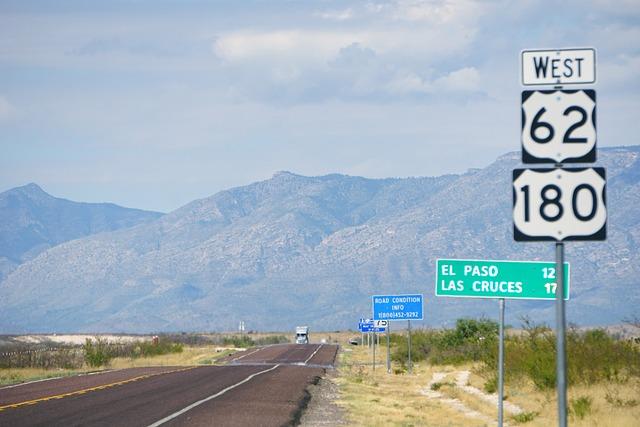
Exploring the Majestic Guadalupe Mountains National Park: A Comprehensive Guide
Nestled in the remote West Texas wilderness, Guadalupe Mountains National Park stands as a testament to the breathtaking beauty and rich geological history of the region. Spanning over 86,000 acres, this rugged landscape features dramatic mountain ranges, diverse ecosystems, and a wealth of outdoor recreational opportunities. As the highest point in Texas, Guadalupe Peak beckons adventurers with its stunning vistas and challenging trails. In this article, we delve into everything you should know about Guadalupe Mountains National Park-from its unique flora and fauna to its cultural significance and visitor amenities. Whether you’re a seasoned hiker, a nature enthusiast, or a curious traveler, join us as we uncover the wonders of this hidden gem of the American Southwest.
Exploring the Geological Wonders of Guadalupe Mountains National Park
The Guadalupe Mountains National Park is a treasure trove of geological wonders, showcasing some of the most stunning formations in the United States. Rising dramatically from the desert floor, the Guadalupe Mountains are composed of ancient limestone, formed during the Permian Period when this region was submerged under a vast sea. Visitors can witness remarkable features such as El Capitan, a towering limestone cliff that stands as a sentinel over the surrounding landscape, and the unique Guadalupe Peak, the highest point in Texas, offering panoramic views that stretch for miles. Its dramatic canyons and diverse ecosystem make it a hotspot for both geology enthusiasts and nature lovers alike.
In addition to its breathtaking vistas, the park showcases an array of fascinating geological features, from deep canyons to rugged ridges. Notable sites include:
- McKittrick Canyon – A beautiful spot known for its seasonal color changes, revealing vibrant hues of autumn.
- Bear Canyon – Home to stunning rock formations and a variety of wildlife, it provides excellent hiking opportunities.
- Permian Reef – A unique exhibit of reef-related formations that narrate the geological history of the region.
Visitors can also explore the park’s geological timeline through well-marked trails that wind through these natural wonders. With each step, hikers delve deeper into millions of years of earth’s past, making this area not just a park, but a living history lesson.
Biodiversity and Wildlife: A Closer Look at the Park’s Unique Ecosystems
Guadalupe Mountains National Park is a remarkable haven for biodiversity, showcasing a myriad of ecosystems that range from desert landscapes to high mountain ranges. This unique interplay of habitats results in a diverse array of flora and fauna, some of which cannot be found anywhere else in the United States. The park is home to over 1,000 species of plants, along with a rich assortment of wildlife, including mammals, birds, reptiles, and amphibians. Among its notable residents are the elusive mountain lion, nimble black bears, and the vibrant Mexican spotted owl, all of which contribute to the rich tapestry of life that flourishes within this protected area.
The unique ecological zones within the park provide vital habitats that sustain its wildlife. From the rugged ridges of the Guadalupe Mountains to the expansive Chihuahuan Desert, visitors can observe a multitude of species adapted to their environments. Key features of these ecosystems include:
- High Desert Scrub: Characterized by resilient plants like creosote bush and yucca.
- Pine-Oak Forests: Home to diverse bird populations and critical nesting sites.
- Riparian Areas: Offering vital water sources that support a range of aquatic life.
| Species | Habitat | Conservation Status |
|---|---|---|
| Mexican Spotted Owl | Pine-Oak Forests | Threatened |
| Black Bear | Mountain Areas | Stable |
| Desert Tortoise | Desert Scrub | Vulnerable |
Essential Tips for Adventurers: Maximizing Your Visit to Guadalupe Mountains National Park
To truly embrace the beauty and adventure of Guadalupe Mountains National Park, planning is key. Before embarking on your journey, consider these essential tips to enhance your experience:
- Know the Weather: Check local forecasts to ensure you’re prepared for changing conditions. The elevation can lead to significant weather shifts.
- Stay Hydrated: Carry plenty of water, especially during strenuous hikes. Dehydration can quickly become a serious issue in the park.
- Early Starts: Begin your trails early to avoid crowds and enjoy cooler temperatures – plus, you’ll have more chances to spot wildlife.
- Trail Etiquette: Follow Leave No Trace principles to help preserve the park’s natural beauty. Respect fellow hikers and wildlife alike.
Consider mapping out your hikes according to your skill level and the time you have available. The park boasts over 80 miles of trails; here’s a quick look at some popular options:
| Trail Name | Difficulty | Length | Highlights |
|---|---|---|---|
| Guadalupe Peak | Strenuous | 8.4 miles | Highest point in Texas |
| McKittrick Canyon | Moderate | 3.4 miles | Stunning fall foliage |
| Smith Spring | Easy | 2 miles | Beautiful picnic area |
Concluding Remarks
As we conclude our exploration of Guadalupe Mountains National Park, it becomes clear that this remarkable natural haven offers more than just stunning vistas and diverse ecosystems. It serves as a sanctuary where visitors can connect with the geology and biodiversity that have shaped this region over millions of years. Whether you’re hiking the rugged trails, delving into the rich history of the area, or simply soaking in the serene landscapes, the park invites everyone to discover its unique charms.
With ongoing conservation efforts and a commitment to preserving its natural and cultural heritage, Guadalupe Mountains National Park stands as a testament to the enduring beauty of America’s wild spaces. As more people seek refuge in nature, this park offers an invaluable opportunity for exploration, reflection, and appreciation of the great outdoors.
For those planning a visit, remember to respect the land and leave no trace, ensuring that future generations can enjoy the same breathtaking experiences. In a world that often feels disconnected, the Guadalupe Mountains serve as a poignant reminder of the beauty and resilience of nature-a place not just to visit, but to cherish. For further information on navigating the park, peak seasons, and regulations, consult resources like the National Park Service or National Geographic’s in-depth guides to fully prepare for your adventure into this stunning landscape.

