

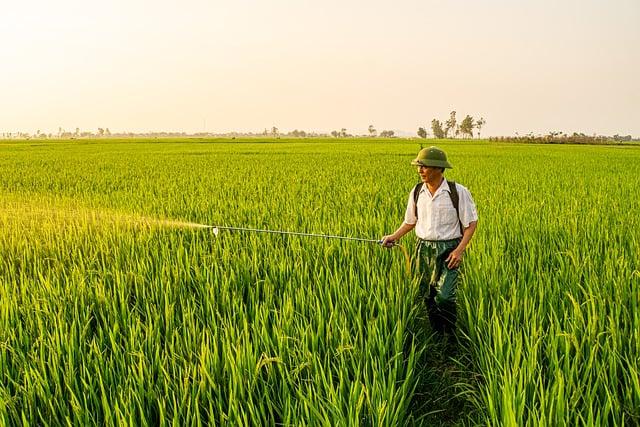
In the picturesque landscapes of the French Caribbean, a hidden peril lingers beneath the vibrant facade: a controversial pesticide long banned for its harmful effects is leaving a haunting legacy. This article delves into the alarming repercussions of chlordecone, a toxic chemical once widely used in banana plantations across the region. Despite its prohibition in France since the 1990s, the pesticide’s lingering presence in the soil and waterways has raised serious health concerns among local communities, particularly regarding rising cancer rates and other chronic illnesses. As residents grapple with the long-term impacts of this environmental crisis, the shadows of past agricultural practices continue to disrupt lives and challenge the resilience of the affected populations. Through personal testimonies and expert analysis, this investigation sheds light on the ongoing battle against a deliberate poisoning that has left an indelible mark on the French Caribbean.
The Ongoing Impact of Chlordecone Contamination in the French Caribbean
The legacy of chlordecone contamination in the French Caribbean continues to wreak havoc on both the environment and public health. Once widely used as a pesticide in banana plantations, chlordecone was banned due to its severe toxicity and long-lasting presence in the soil and water. Today, it persists as a *poignant reminder* of industrial negligence, with residents experiencing alarming health issues such as increased rates of prostate cancer and developmental disorders. The impacted regions, particularly in Guadeloupe and Martinique, have become *grim case studies*, illustrating the dangers of chemical pollutants and the slow, agonizing recovery from their effects.
Local communities are grappling with the implications of this contamination as they confront both physical and psychological burdens. Those who live in the most affected areas often report feelings of despair, frustration, and anger, as the government response to their plight remains inadequate. Activists have rallied for greater accountability and reparations from both the state and the agrochemical companies responsible for this tragedy. They demand urgent action, including:
- Comprehensive health screenings for populations at risk.
- Restoration projects aimed at rehabilitating contaminated lands.
- Increased funding for scientific research on the long-term health implications.
As these communities continue to navigate the repercussions of a decision made decades ago, the haunting specter of chlordecone looms large, serving as a testament to the importance of environmental justice and public health advocacy.
Health Crisis and Environmental Consequences of a Legacy Pesticide
The legacy of a banned pesticide continues to cast a long shadow over the health of communities in the French Caribbean. Years after its prohibition, residents are grappling with alarming rates of chronic illnesses linked to the toxic exposure. Evidence suggests that the chemical, originally used to control agricultural pests, has seeped into water sources and soil, leading to widespread contamination. Public health officials are increasingly reporting cases of severe ailments, including cancers, reproductive issues, and neurological disorders that disproportionately affect vulnerable populations. This situation underscores a dire need for robust health assessments and long-term medical support for those affected.
Moreover, the environmental consequences of this pesticide’s use are profound. Not only has it disrupted local ecosystems, but its persistence in the environment has resulted in the decline of biodiversity. Many native species of plants and animals, once thriving in the region, now face existential threats as their habitats become increasingly compromised. The issues facing the French Caribbean serve as a poignant reminder of the persistent legacy of industrial chemicals, prompting urgent calls for stricter regulations on pesticide use and comprehensive remediation efforts. The following table outlines the key impacts identified:
| Impact Category | Examples |
|---|---|
| Health | Increased cancer rates, reproductive health problems, neurological disorders |
| Environmental | Loss of biodiversity, ecosystem disruption, soil contamination |
| Social | Community anxiety, economic downturn in affected areas |
Policy Recommendations for Mitigating Future Risks and Supporting Affected Communities
To effectively address the ongoing impacts of the banned pesticide and safeguard vulnerable communities in the French Caribbean, a multi-faceted policy framework must be established. Regulatory reforms should prioritize stringent enforcement of existing pesticide bans, coupled with comprehensive monitoring systems to ensure compliance. This could include:
- Enhanced surveillance of agricultural practices to prevent illegal pesticide usage.
- Regular audits and inspections of local farms and distribution channels.
- Educational initiatives aimed at farmers and the agricultural community about the dangers and alternatives to banned pesticides.
Furthermore, it is essential to implement community-centric support programs that focus on health monitoring and economic assistance for those affected by pesticide exposure. Collaborative efforts between government entities, non-profits, and local organizations can facilitate effective outreach. Proposed measures could consist of:
| Support Initiatives | Description |
|---|---|
| Health screening programs | Regular health assessments for local populations to identify and treat pesticide-related illnesses. |
| Financial assistance | Targeted financial aid for households impacted by loss of income due to health issues. |
| Community workshops | Educative sessions focusing on sustainable agricultural practices and safe pesticide usage. |
Final Thoughts
In conclusion, the haunting legacy of a banned pesticide in the French Caribbean serves as a stark reminder of the long-term consequences of agricultural practices that prioritize short-term gains over environmental and public health. The reported cases of poisoning and the ongoing struggles of affected communities underline the urgent need for accountability and comprehensive reform in pesticide regulation. As local residents continue to grapple with the effects of toxic contamination, their resilience shines a light on the broader fight for environmental justice. The situation calls for immediate action, not just in the Caribbean, but worldwide, to protect vulnerable ecosystems and safeguard the health of future generations. As we reflect on this troubling chapter, it is imperative that we learn from the past to prevent history from repeating itself.

