

10 Things to Know About the Virgin of Guadalupe: A Symbol of Faith and Identity
In the heart of Mexican culture and Catholic devotion lies a figure revered by millions: the Virgin of Guadalupe. Her image, a striking portrayal of a woman enveloped in roses and stars, stands as a powerful emblem of faith, identity, and social justice. As the feast day of Our Lady of Guadalupe approaches on December 12, the significance of her story and legacy comes into sharper focus, captivating believers and historians alike. From her miraculous apparitions to her role in the struggle for indigenous rights, the Virgin of Guadalupe is not just a religious icon but a symbol of resilience and unity. This article explores ten essential insights into her life, heritage, and enduring impact, shedding light on why she continues to inspire devotion across the Americas and beyond.
Understanding the Cultural Significance of the Virgin of Guadalupe
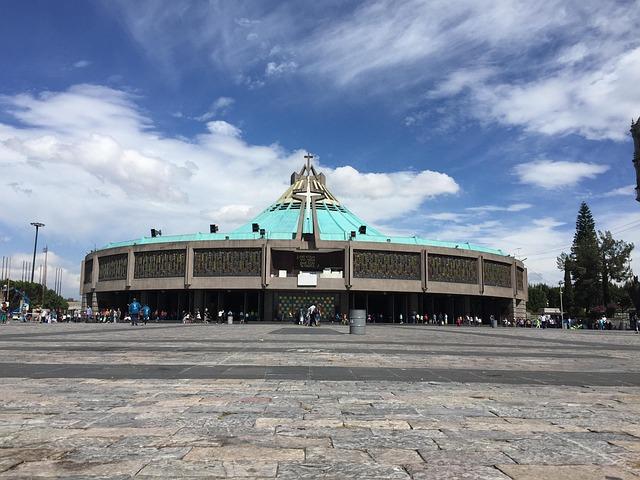
The Virgin of Guadalupe holds deep cultural significance in Mexico and among Mexican communities worldwide. She symbolizes not only faith but also the blending of Indigenous and Spanish influences following the colonization of the Americas. Her image, which reflects both European and Indigenous features, serves as a unifying symbol for many Mexicans, representing the resilience and identity of the Mexican people. The annual celebration of her feast day on December 12 draws millions to the Basilica of Guadalupe in Mexico City, where devotees engage in vibrant festivities, including mariachi music, traditional dances, and heartfelt prayers. This celebration goes beyond religious observance; it emphasizes community, heritage, and national pride.
In a broader context, the Virgin of Guadalupe has inspired various cultural expressions, extending her influence into art, literature, and social movements. She has been embraced by activists advocating for social justice and Indigenous rights, seeing her as a symbol of empowerment and transformation. Her imagery often appears in murals and public installations, serving as a reminder of the struggles faced by marginalized communities. The following aspects of her role in society highlight her enduring cultural relevance:
- Identity: A symbol of Mexican identity and pride.
- Faith: A focal point for religious devotion and spiritual reflection.
- Resistance: An emblem for movements advocating for social change and justice.
- Unity: A source of gathering for communities celebrating shared heritage.
Exploring the Artistic Representations and Symbols Associated with Her Image
The image of the Virgin of Guadalupe is rich with symbolism that serves to convey complex theological and cultural messages. At its core, her depiction reveals key elements that resonate deeply within the Mexican and broader Latin American context. Notably, her radiant aura, often illustrated with rays of light, represents the divine nature of her presence, while her manteau (cloak), adorned with stars, speaks to her role as the celestial mother and protector. The incorporation of the serpent that she stands on symbolizes the triumph of good over evil, aligning with the Aztec myths and underscoring the merging of indigenous beliefs with Christianity. The colors used in her representation-predominantly blue and green-are not only aesthetically pleasing but also carry significant meanings, including purity, compassion, and hope.
The symbolism extends beyond her visual representation into various cultural practices and rituals associated with veneration. For instance, many pilgrims carry rosaries, which symbolize prayer and devotion, when they seek her intercession. The tilma, or cloak, on which her image appears, is also a source of veneration and is seen as a miraculous artifact reflecting her enduring influence. In addition, community celebrations often feature mariachi music and traditional dances, which serve to keep her story alive through generations. The artistic depictions of the Virgin of Guadalupe, whether in churches, on murals, or in homes, continue to inspire a sense of belonging and cultural identity for millions.
Practical Ways to Celebrate and Honor the Virgin of Guadalupe in Your Community
The Virgin of Guadalupe is not just a religious figure; she is a symbol of unity, culture, and resilience in many communities across the United States. To celebrate her significant role, consider organizing a community procession that winds through the streets, allowing participants to carry her image and share prayers. This event can be inclusive, inviting members of different faiths to join in honoring the Virgin by fostering dialogue and understanding. Additionally, local artists can contribute to this celebration by showcasing traditional artwork depicting her significance in galleries or public spaces, creating a shared cultural experience.
Community gatherings can also incorporate food festivals that feature traditional Mexican cuisine, cooking demonstrations, and storytelling sessions about the Virgin’s importance. These events can serve as platforms for local businesses, promoting cultural awareness and supporting economic development. Schools and community centers might host craft workshops for children, where they can create decorations or mementos related to the Virgin of Guadalupe. Organizations can even establish a service day, encouraging community members to engage in a charitable act in her honor, thereby reinforcing her message of compassion and service to others.
Key Takeaways
In conclusion, the Virgin of Guadalupe embodies a profound cultural and spiritual significance that extends beyond its origins in Mexico. As a symbol of hope, resilience, and unity, she continues to inspire millions across the globe. From her powerful narrative steeped in history to her role in contemporary social movements, understanding these ten key aspects offers valuable insights into her enduring legacy. As the patroness of the Americas, the Virgin serves not only as a religious icon but also as a focal point for discussions on identity, faith, and community. As we reflect on her influence, it is clear that the Virgin of Guadalupe remains a vital figure in both the spiritual and socio-political landscape of the region.

