

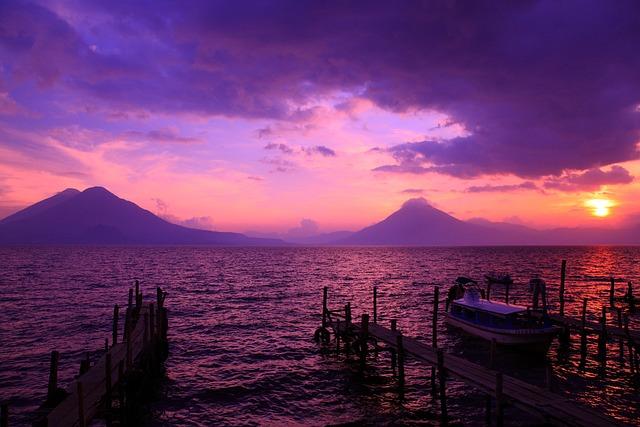
Why Should Guatemala and Central America Join the High Seas Treaty?
As global attention intensifies on the urgent need for marine conservation, the significance of international agreements that govern the world’s oceans has come to the forefront. The High Seas Treaty, a landmark agreement aimed at protecting biodiversity in international waters, presents a crucial opportunity for nations worldwide to play an active role in preserving the marine ecosystem. For Guatemala and the broader Central American region-home to rich marine biodiversity yet facing numerous environmental threats-the decision to join this treaty could have far-reaching implications. This article explores the potential benefits and responsibilities that come with endorsing the High Seas Treaty, highlighting why collaboration in the stewardship of our oceans is not just a matter of environmental necessity but also of economic and social importance for Central America. As coastal communities grapple with the impacts of climate change and overfishing, the pathway to sustainable ocean governance beckons, promising not only ecological resilience but also a brighter future for generations to come.
Exploring the Sustainable Future: The Case for Central America’s Involvement in the High Seas Treaty
The High Seas Treaty presents a rare opportunity for Guatemala and the broader Central American region to enhance their roles in global ocean governance. As a group of countries that relies heavily on the marine ecosystem for economic activities such as fishing and tourism, it is crucial to recognize the significance of protecting these shared resources. By becoming signatories to the treaty, Central American nations can access financial and technical support, engage in collaborative research, and gain stronger platforms for advocating for sustainable practices. The involvement in this international agreement ensures that local voices are heard in global discussions on marine biodiversity and environmental protections, positioning Central America as a leader in sustainable ocean management.
Additionally, participating in the High Seas Treaty aligns with the region’s commitment to biodiversity conservation and climate resilience. Central America is home to unique marine habitats that need rigorous protection to maintain their ecological balance. Under the treaty, countries can establish marine protected areas (MPAs), which are essential to safeguarding biodiversity and supporting fisheries that are vital for local communities. The following key benefits outline the potential gains for the region:
- Protecting Marine Biodiversity: Establishing MPAs will help preserve critical habitats.
- Enhancing Food Security: Sustainable fishing practices will boost local economies.
- Combating Climate Change: Healthy oceans act as carbon sinks, mitigating climate impacts.
- Promoting Innovative Approaches: Collaborative research can lead to sustainable solutions tailored to local needs.
Protecting Marine Biodiversity: How Guatemala Can Benefit from Global Cooperation
The preservation of marine ecosystems is essential for sustaining the livelihoods of coastal communities in Guatemala and across Central America. By becoming a participant in the High Seas Treaty, Guatemala stands to gain not just environmental protection, but also economic and social benefits. The benefits include:
- Enhanced Fisheries Management: Strengthening fish populations can increase catches and improve food security.
- Tourism Opportunities: A healthier marine environment can attract eco-tourism, generating revenue for local economies.
- International Support: Collaboration with global partners for research and funding to tackle marine challenges.
Moreover, global cooperation can facilitate the sharing of knowledge and technologies that could improve monitoring and conservation strategies. By integrating efforts with other nations, Guatemala can play a pivotal role in:
- Mitigating Climate Change: Protecting marine biodiversity helps combat the impacts of climate change on oceanic systems.
- Conservation of Critical Habitats: Preserving key areas such as coral reefs and mangroves can ensure ecosystem resilience.
- Legal Frameworks: Fortifying environmental laws that safeguard marine biodiversity will lead to more sustainable practices.
Strengthening Local Economies: Leveraging the High Seas Treaty for Sustainable Development in Central America
As Central America grapples with economic challenges and environmental vulnerabilities, the High Seas Treaty presents an invaluable opportunity to bolster local economies through sustainable practices. By committing to the Treaty, nations like Guatemala can embark on initiatives that protect marine biodiversity while simultaneously fostering economic growth. Engaging in activities such as sustainable fishing, marine ecotourism, and conservation can create jobs and promote local enterprise, leading to a ripple effect that uplifts entire communities. Moreover, the emphasis on scientific research and environmental stewardship aligns with international funding sources, providing essential support for regional development.
The implementation of the High Seas Treaty can also enhance regional cooperation, allowing Central American countries to collaboratively manage marine resources and share best practices in sustainable development. This alliance can lead to the following benefits:
- Job Creation: Development of eco-friendly sectors can generate employment opportunities.
- Increased Resilience: Sustainable practices help communities adapt to climate change and environmental degradation.
- Enhanced Market Access: Products certified as sustainable can command higher prices in global markets.
- Strengthened Conservation Efforts: Shared resources can lead to more effective marine protection measures.
To Wrap It Up
In conclusion, the decision for Guatemala and Central America to join the High Seas Treaty extends beyond mere geopolitical strategy; it represents a commitment to sustainable development and environmental stewardship in a region that relies heavily on its coastal and marine resources. The implications of such a partnership are profound, promising not only to enhance biodiversity conservation but also to bolster the resilience of local economies against the challenges of climate change.
As discussions continue at the global level, it is imperative for Central American nations to seize the opportunity to advocate for collective action in protecting their maritime territories. By aligning with the High Seas Treaty, Guatemala and its neighbors can play a crucial role in shaping the future of ocean governance, ensuring that their voices are heard in international forums and that their unique ecological heritage is preserved for generations to come. The stakes are high, and the time for action is now.

