
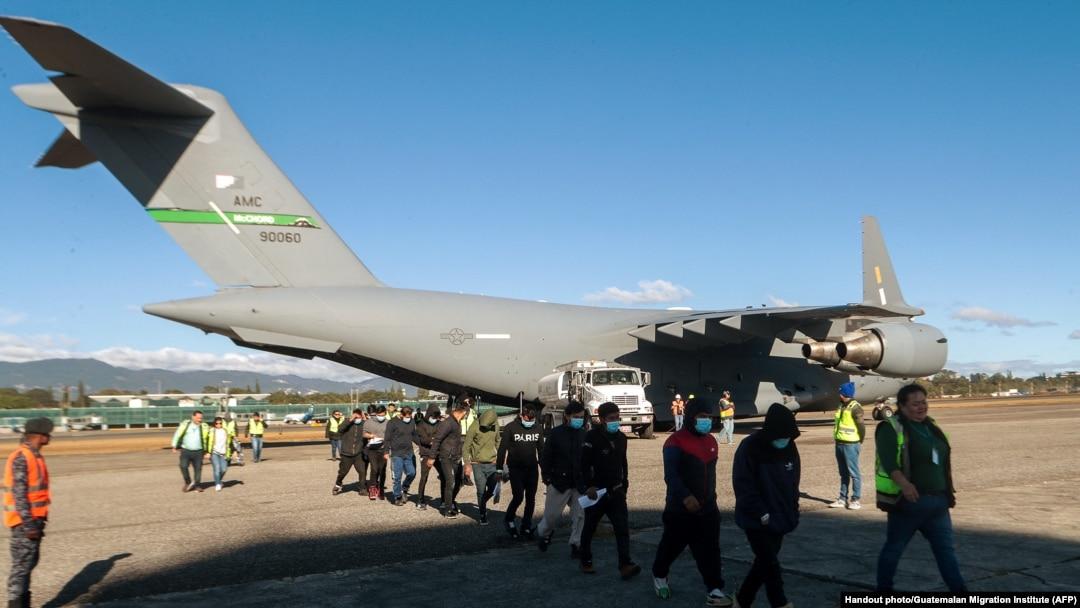
In a significant development concerning U.S. immigration policies, deportation flights arriving in Latin America are drawing renewed attention to the ongoing complexities of migration between the two regions. The recent influx of flights, as reported by Voice of America, reflects an evolving landscape shaped by both enforcement measures and humanitarian considerations. As the U.S. government ramps up efforts to manage border security and immigration flows, affected individuals find themselves caught in a multifaceted web of legal, social, and economic challenges. This article delves into the implications of these deportation flights, the experiences of those being returned, and the broader impact on Latin American countries grappling with repatriation and reintegration issues.
US Government Initiates New Wave of Migrant Deportation Flights to Latin America
The recent surge of deportation flights marks a significant escalation in the U.S. government’s efforts to address the complexities of immigration at its southern border. These flights aim to repatriate migrants primarily from Honduras, Guatemala, and El Salvador, who have been apprehended after crossing into the United States without proper documentation. Authorities indicate that this initiative is part of a broader strategy to manage migration flows more effectively and to deter future crossings. With the ongoing discussions surrounding immigration policy reform, these flights could shape the conversation regarding humanitarian responses and international cooperation.
Upon arrival in their home countries, deported migrants often face numerous challenges, including the reintegration process and potential safety concerns. Many return to unstable environments where economic opportunities are scarce. The following are some aspects impacting deported individuals:
- Economic Challenges: Difficulty in finding stable employment.
- Social Stigma: Face challenges when reintegrating into communities.
- Legal Obstacles: Issues with documentation and legal status.
| Country | Number of Deportations |
|---|---|
| Honduras | 1,200 |
| Guatemala | 900 |
| El Salvador | 800 |
Impacts on Families and Communities: The Human Side of Deportation Policies
As families are torn apart by deportation policies, the emotional and psychological toll becomes painfully evident. Parents and guardians, often the primary breadwinners, are suddenly removed from their homes, forcing children and other family members to cope with loss and instability. The impacts include:
- Increased Anxiety: Children may develop anxiety disorders as they grapple with the uncertainty of their loved ones’ absence.
- Financial Instability: Families often face significant financial challenges due to the loss of income, straining resources and support networks.
- Social Stigmatization: Communities may stigmatize deported families, leading to isolation and decreased social cohesion.
Communities, too, bear the brunt of these policies, as the deportation of individuals disrupts social ecosystems that rely on interconnected relationships and shared resources. In some neighborhoods, the fear of deportation has led to a palpable sense of mistrust and secrecy, which can stifle community engagement. The ripple effects manifest through:
- Decreased Labor Force: Local economies suffer as essential workers are removed, disrupting services and manufacturing.
- Heightened Tensions: Divisive attitudes can emerge between residents and authorities, undermining public safety and community trust.
- Criminalization of Vulnerable Populations: Vulnerable groups may find themselves targeted more frequently, further exacerbating societal fractures.
Pathways Forward: Recommendations for Addressing the Root Causes of Migration
To effectively tackle the complex issue of migration, it is essential to focus on the underlying factors that drive individuals to leave their home countries. Strengthening local economies by investing in job creation, infrastructure, and education can provide a sustainable alternative to migration. Additionally, addressing corruption and violence through improved governance and law enforcement will help create a safer environment for communities, diminishing the need for individuals to seek refuge elsewhere. Initiatives should be centered around:
- Economic Development: Foster entrepreneurship and small business growth.
- Education and Training: Enhance access to quality education and vocational training.
- Community Safety: Implement community policing and legal reforms to reduce violence.
Furthermore, regional cooperation among Latin American countries is crucial in forming a united front against the root causes of migration. Multilateral agreements focused on shared social issues can facilitate a collaborative approach in tackling poverty, health crises, and climate change. Establishing partnerships with local NGOs can amplify efforts in community development, ensuring that resources effectively reach those in need. A potential action plan could emphasize:
| Strategy | Outcome |
|---|---|
| Regional Economic Alliances | Increased trade and job opportunities |
| Cross-Border Health Initiatives | Improved public health systems |
| Climate Resilience Projects | Stronger defenses against natural disasters |
Key Takeaways
In conclusion, the arrival of US migrant deportation flights in Latin America marks a significant chapter in the ongoing discourse surrounding immigration policies and human rights. As these flights continue to land in various countries within the region, the implications for both deported individuals and local governments are profound and complex. While the US government aims to enforce border security and manage migration flows, the humanitarian impact on families and communities left behind cannot be overlooked. As the situation evolves, stakeholders on all sides of the issue are urged to seek solutions that balance national security interests with compassion and respect for human dignity. Continued coverage and analysis will shed light on how these developments influence migration patterns, regional relations, and the lives of those directly affected. Stay tuned for further updates on this critical issue as it unfolds.











