

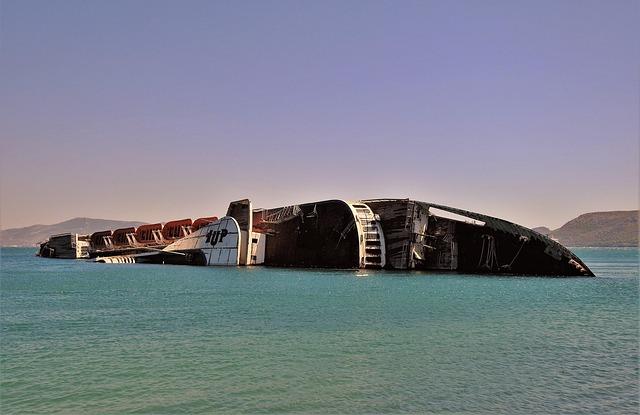
In a tragic incident that has sent shockwaves through the Caribbean nation, a ferry carrying 133 passengers capsized on the notorious waterways of Guyana, leaving dozens feared dead. The vessel, which was reportedly en route to one of the country’s remote regions, encountered difficulties that led to its catastrophic sinking. Emergency services have initiated extensive rescue operations, but hopes of finding survivors are dwindling as the search continues. Local authorities and officials are grappling with the aftermath of the disaster, raising concerns about safety regulations and the challenges of maritime travel in the region. This developing story highlights the vulnerabilities and dangers faced by those who rely on ferries for transportation in Guyana, where access to certain areas is largely dependent on the waterways. As the nation mourns, questions loom over the circumstances surrounding the tragedy and the future of its maritime safety protocols.
Tragedy at Sea: Understanding the Circumstances Surrounding the Ferry Disaster in Guyana
The tragic capsizing of the ferry in Guyana has sent shockwaves across the nation, raising urgent questions about safety measures and regulatory oversight in maritime transport. Eyewitness accounts suggest that the vessel, which was overloaded at the time, struggled against turbulent waters before succumbing to the elements. Reports indicate that of the 133 individuals aboard, many were families traveling for a local festival, enhancing the personal tragedy of the incident as hopes for survivors dwindle by the hour. Authorities are mobilizing rescue teams, yet the daunting conditions have hampered efforts, leading to fears that dozens may have perished in this catastrophic event.
In the wake of this disaster, several factors have come to light that underscore the need for a thorough investigation:
- Overcapacity: The ferry’s passenger load exceeded safe limits, raising concerns about adherence to maritime regulations.
- Weather Conditions: Reports suggest inclement weather may have contributed to the vessel’s instability.
- Previous Incidents: This ferry line has a history of complaints regarding safety protocols that have gone unaddressed.
Amid the chaos, local officials are urging for increased safety training and better infrastructure for ferry services. A preliminary investigation aims to unveil additional factors that led to this maritime tragedy, with survivors and their families demanding accountability.
Survivor Accounts and Emergency Response: A Closer Look at the Rescue Efforts
As the search and rescue operations continue in the aftermath of the ferry disaster in Guyana, harrowing accounts from survivors paint a grim picture of the chaos that unfolded during the capsizing. Eyewitnesses reported an overwhelming wave of panic as the vessel began to list dangerously. Many passengers, including families and children, were thrown into the murky waters as the ferry struggled against the rough seas. Those who managed to escape emphasized the desperate scramble for flotation devices and the pivotal moments when they could grasp onto floating debris, clinging to life amidst the turmoil. One survivor shared, “It felt like the end. We thought we would never see land again.”
The response from local authorities has been swift, yet challenging given the scale of the tragedy. Rescue teams, equipped with both boats and helicopters, have been tirelessly combing the riverbanks and surrounding waters for any signs of life. Volunteers from nearby communities have flocked to aid the efforts, providing essential supplies like water, food, and medical assistance to those rescued from the water. The sheer number of missing underscores the gravity of the situation, as authorities have set up a dedicated command center to coordinate search efforts and assist grieving families. Community organizations are also mobilizing, ensuring that survivors and families impacted by this disaster receive adequate support and counseling in the harrowing aftermath.
| Rescue Efforts | Key Details |
|---|---|
| Number of Survivors Rescued | Approximately 50 |
| Rescue Teams Involved | Coast Guard, Local Volunteers |
| Estimated Missing | Dozens |
| Location of the Incident | Essequibo River |
Policy Implications and Future Safety Measures: Recommendations to Prevent Maritime Disasters
The tragic incident in Guyana underscores the urgent need for a comprehensive review of maritime safety regulations. Authorities must prioritize the implementation of stringent oversight mechanisms to ensure compliance with safety standards. This includes enhancing vessel inspection protocols and mandating regular safety drills for both crew and passengers. Key recommendations to bolster maritime safety include:
- Strengthening Training Programs: Mandate rigorous training for maritime staff to handle emergencies effectively.
- Improving Technology Utilization: Invest in advanced navigation systems and real-time monitoring technology to enhance situational awareness.
- Implementing Passenger Awareness Campaigns: Educate passengers on safety procedures and available resources.
Additionally, establishing an independent maritime safety commission could play a crucial role in overseeing safety compliance. This commission should be empowered to conduct thorough investigations into maritime accidents and to recommend systematic improvements. Critical factors to consider include:
| Factor | Suggested Action |
|---|---|
| Weather Monitoring | Enhance forecasting and alert systems for maritime operations. |
| Capacity Management | Limit the number of passengers based on vessel specifications. |
| Emergency Equipment | Ensure availability and accessibility of lifesaving equipment on all vessels. |
By focusing on these areas, stakeholders can work collaboratively to create a safer maritime environment, ultimately reducing the risk of future disasters and safeguarding lives at sea.
The Conclusion
In the wake of this tragic incident, the focus now shifts to rescue efforts and the ongoing investigation into the causes of the capsize. Authorities are mobilizing resources to locate and aid survivors, while families await news of their loved ones with heavy hearts. As the nation grapples with the loss, questions surrounding safety regulations and vessel conditions will undoubtedly arise in the coming days. The situation remains fluid, and updates will continue to emerge as the story develops. Our thoughts are with the victims and their families during this devastating time.

