

Guyana’s FDI Boom and Tourism Growth Outpace Infrastructure Capacity
In recent years, Guyana has emerged as a frontrunner in attracting foreign direct investment (FDI), driven largely by its burgeoning oil industry and the promise of a vibrant tourism sector. The influx of capital and increased visitor numbers signal a transformative period for the South American nation, but this rapid growth is not without its challenges. As the pace of investment and tourism accelerates, concerns are mounting over the ability of Guyana’s existing infrastructure to cope with rising demand. In a detailed analysis, Foley & Lardner LLP examines how this FDI boom and the surge in tourism are straining the country’s infrastructure, highlighting the urgent need for strategic planning and investment to ensure sustainable development. As Guyana stands on the brink of unprecedented economic opportunity, the question remains: can it build the necessary frameworks to support its ambitious trajectory?
Guyana’s FDI Surge: Opportunities and Challenges for Sustainable Growth
Guyana is witnessing an unprecedented influx of Foreign Direct Investment (FDI), driven significantly by its burgeoning oil sector and an emerging focus on tourism. This surge presents a range of opportunities that could redefine the economic landscape of the nation. Key sectors experiencing notable growth include:
- Oil and Gas: The most prominent contributor to FDI, with international companies investing heavily in exploration and production.
- Tourism: The pristine natural resources and cultural heritage are attracting investors keen on developing eco-friendly resorts and attractions.
- Agriculture: FDI is also flowing into sustainable farming initiatives that align with global demand for organic produce.
However, this rapid growth poses significant challenges, particularly in infrastructure development, which struggles to keep pace. The existing transportation, energy, and service frameworks may not adequately support the increasing economic activity, raising concerns about sustainability and long-term growth. Key challenges include:
- Transportation: Congested roads and insufficient public transport systems hinder accessibility for both investors and tourists.
- Energy Supply: A reliance on outdated energy sources risks creating bottlenecks in production and services.
- Regulatory Environment: Navigating a complex legal and bureaucratic landscape can deter potential investors.
| Opportunity | Challenge |
|---|---|
| Increased Investment in Oil | Infrastructural Strain |
| Growth in Eco-Tourism | Insufficient Transportation |
| Advancements in Agriculture | Regulatory Hurdles |
Tourism Expansion: Assessing the Strain on Guyana’s Infrastructure
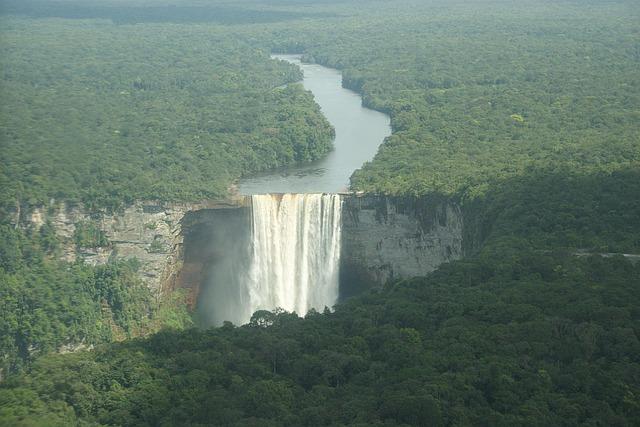
The burgeoning tourism sector in Guyana, spurred by significant foreign direct investment (FDI), is creating a remarkable economic landscape. However, the rapid influx of visitors has led to pressing challenges in the nation’s infrastructure. As attractions such as the Kaieteur Falls and the historic capital of Georgetown become increasingly popular, roadways, airports, and accommodation facilities are facing unprecedented strain. The surge in tourism not only places immediate demands on physical infrastructure but also places pressure on essential services, such as water supply and waste management, raising concerns about sustainability and quality of life for residents.
To address these complexities, it is crucial to assess current capabilities and invest in future-proof solutions. Key areas needing attention include:
- Transportation Networks: Upgrading roads and enhancing public transport services to manage increased traffic.
- Hospitality Sector: Expanding hotel capacities and ensuring a diverse range of accommodations to cater to varying tourist demographics.
- Utilities: Investing in water management systems and waste disposal to support both locals and tourists.
A structured approach involving public-private partnerships could facilitate necessary developments, ensuring that Guyana can embrace its tourism potential without compromising infrastructure integrity. A balanced strategy will also help maintain the country’s unique lifestyle and natural beauty as the tourism boom continues.
Strategic Recommendations for Balancing Economic Growth and Infrastructure Development
To effectively navigate the rapid surge in Foreign Direct Investment (FDI) and tourism while ensuring infrastructure remains robust and responsive, key stakeholders in Guyana must prioritize adaptive planning and strategic partnerships. Public-private collaborations can be instrumental in mobilizing resources efficiently. Key strategies may include:
- Incentivizing private sector involvement in infrastructure projects, particularly in transportation and energy sectors.
- Utilizing data analytics to forecast future demands in infrastructure based on projected FDI and tourism growth.
- Establishing clear zoning laws to streamline approvals for new developments that align with strategic economic goals.
Moreover, it is essential to integrate sustainable practices into infrastructure development to ensure long-term viability and environmental protection. This necessitates a shift towards green technologies and resilience-building measures. A potential framework could include:
| Strategy | Description | Expected Outcome |
|---|---|---|
| Public-Private Partnerships | Collaborating with private entities to fund and manage infrastructure | Increased investment and shared risk |
| Sustainable Practices | Implementing eco-friendly materials and processes in construction | Long-term environmental sustainability |
| Data-Driven Planning | Employing technology to analyze trends and forecast needs | Proactive infrastructure development |
In Retrospect
In conclusion, the surge in foreign direct investment and the burgeoning tourism sector in Guyana represent significant economic opportunities for the nation. However, as highlighted by Foley & Lardner LLP, this rapid growth is placing unprecedented pressure on the country’s existing infrastructure. Policymakers and stakeholders must work collaboratively to address these challenges by prioritizing sustainable infrastructure development and ensuring that Guyana can fully capitalize on its burgeoning economic potential. The path forward will require careful consideration and strategic planning to ensure that the benefits of this boom are realized without compromising the quality of life for its citizens or the environment. As the world watches Guyana’s transformation, the focus will inevitably shift to how effectively the country can balance growth with sustainability.

