

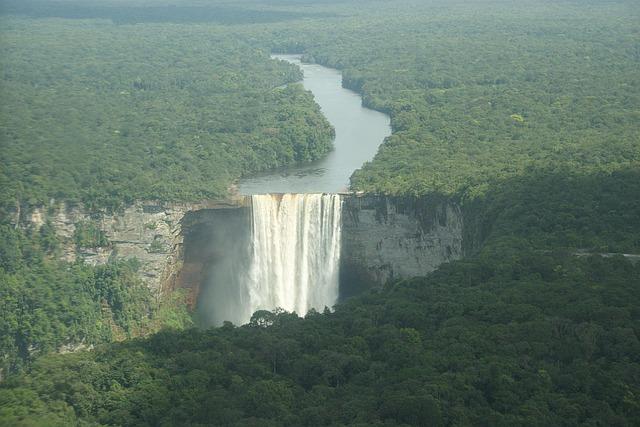
As global leaders converge in the vibrant setting of COP30, the United Nations Development Programme (UNDP) is stepping up its engagement with Guyana and regional stakeholders to forge a path toward enhanced climate action. This pivotal conference, taking place in the heart of the Amazon, serves as a critical platform for advancing the agenda of sustainable development amid escalating climate challenges. UNDP’s initiatives aim to catalyze collaboration between nations, fostering innovative solutions and partnerships that recognize the unique environmental and economic landscapes of Guyana and its neighbors. With climate change standing as one of the most pressing issues of our time, the discussions at COP30 promise to leverage regional leadership and local knowledge in a concerted effort to combat its effects and promote resilient communities.
UNDP Mobilizes Regional Collaboration for Climate Resilience at COP30
The United Nations Development Programme (UNDP) has taken a pivotal step forward at COP30, bringing together leaders from Guyana and surrounding regions to strengthen collaborative efforts for climate resilience. In a series of high-level meetings, discussions centered around innovative strategies and frameworks that would enable countries to better adapt to the accelerating impacts of climate change. Regional leaders emphasized the need for unified action, focusing on sharing knowledge, resources, and technologies vital for sustainable development, demonstrating that cooperation is essential in the face of environmental challenges.
Among the highlights of the event was an impactful panel featuring experts and stakeholders who outlined key initiatives for climate adaptation, including:
- Integrated disaster risk management to enhance community preparedness.
- Investment in renewable energy as a means to reduce carbon footprints.
- Protecting biodiversity to maintain ecological balance and promote resilience.
To facilitate cooperation, the UNDP introduced a collaborative framework that encourages cross-border partnerships, enabling countries to share successful practices through an interactive platform. The emphasis on data-driven decision-making will further empower nations in their efforts to enhance resilience in vulnerable sectors.
Highlighting Indigenous Knowledge in Climate Strategies for Guyana
As global climate discussions intensify, Guyana is positioned to leverage its rich Indigenous heritage to craft effective climate strategies. Indigenous communities possess a profound understanding of local ecosystems and sustainable practices that have been honed over generations. This traditional knowledge can play a pivotal role in shaping climate resilience initiatives, providing a framework that aligns modern scientific approaches with time-tested methods. The integration of Indigenous practices into climate action plans not only ensures cultural relevance but also enhances the ecological integrity of strategies aimed at mitigating climate change.
During COP30, leaders highlighted several key areas where Indigenous knowledge can enhance climate strategies, including:
- Biodiversity Conservation: Indigenous peoples play a crucial role in the stewardship of biodiversity, often implementing traditional ecological knowledge that promotes conservation.
- Forest Management: Sustainable forest practices rooted in Indigenous traditions can contribute to reducing deforestation and enhancing carbon sequestration.
- Community-Led Adaptation: Local communities can identify innovative and localized adaptation strategies to address the impacts of climate change, ensuring resilience at the grassroots level.
| Indigenous Contributions | Climate Benefits |
|---|---|
| Traditional land management | Enhanced soil fertility |
| Cultural fire practices | Reduced wildfire risk |
| Medicinal plant usage | Health and well-being in communities |
Actionable Recommendations for Sustainable Development and Climate Action
To foster effective climate action in Guyana and the broader region, a multi-faceted approach is necessary, aligning economic growth with environmental stewardship. Key stakeholders, including government agencies, local communities, and private sector partners, should collaborate on sustainable resource management practices that not only preserve biodiversity but also create economic opportunities. Recommended actions include:
- Investment in Renewable Energy: Transitioning to solar, wind, and hydroelectric power sources to reduce carbon emissions.
- Reforestation Initiatives: Engaging local communities in tree planting efforts to enhance carbon sinks and protect ecosystems.
- Support for Sustainable Agriculture: Promoting practices that improve soil health while ensuring food security.
Moreover, leveraging technology and data-driven approaches can enhance the efficacy of climate initiatives. By harnessing innovative solutions such as satellite monitoring for deforestation and climate modeling, decision-makers can be better informed and more responsive. Essential strategies might include:
| Strategy | Benefits |
|---|---|
| Climate Resilience Planning | Adaptation of infrastructure to withstand climate impacts. |
| Public Awareness Campaigns | Educating citizens on sustainable practices and climate change. |
| Regional Collaboration | Coordinated disaster response and resource sharing among countries. |
In Retrospect
As the discussions at COP30 draw to a close, the engagement of the UNDP with Guyana and regional leaders marks a significant step toward amplifying climate action in one of the most vulnerable parts of the world. The initiatives proposed during this summit reflect a commitment to not only tackle the immediate challenges posed by climate change but also to foster sustainable development that prioritizes environmental resilience. As negotiations continue and new partnerships are forged, the collective efforts showcased at this conference serve as a powerful reminder of the critical importance of collaboration in addressing the existential threat of climate change. With renewed commitments and innovative strategies in place, the path forward looks toward a more sustainable and equitable future for the Caribbean and beyond. The attention now turns to the implementation of these commitments and the steadfast resolve needed to turn ambitious goals into tangible actions.

