

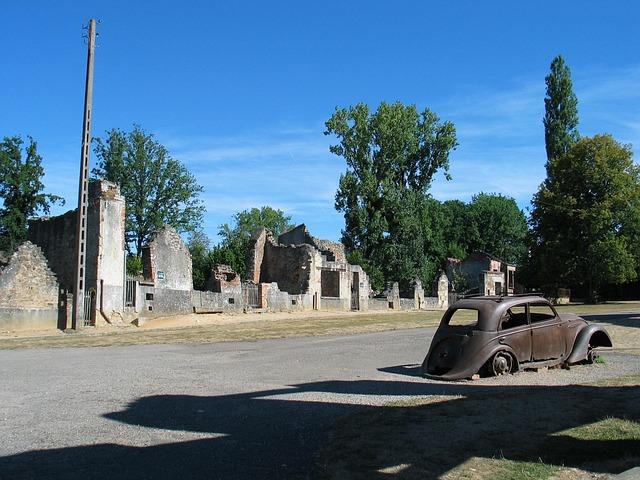
In a move that has sparked both interest and controversy, the site of the Jonestown massacre has officially opened its doors to tourists, transforming the remote jungle clearing in Guyana into a pilgrimage for those seeking to understand one of the most harrowing events in modern history. On November 18, 1978, over 900 members of the Peoples Temple, led by the charismatic yet controversial figure Jim Jones, lost their lives in an act that reverberated throughout the world and remains a chilling reminder of the perils of cult ideology. As visitors flock to the somber grounds, questions about the ethics of turning a tragic historical site into a tourist attraction rise to the forefront. Critics argue that commodifying such a profound tragedy can diminish the memories of those who perished, while proponents suggest that education and reflection may be the key to preventing similar atrocities in the future. The juxtaposition of remembrance and commercialization at Jonestown not only prompts a reevaluation of how society engages with its darkest chapters but also challenges the boundaries of collective memory in an age increasingly defined by instant access and global awareness.
Revisiting Tragedy: The Ethical Implications of Jonestown as a Tourist Destination
The recent decision to open the site of the Jonestown massacre to tourists has ignited a fierce debate over morality, memory, and commodification. For many, visiting the location where more than 900 lives were lost represents a somber pilgrimage, an opportunity to pay respects and reflect on the devastating consequences of cult ideology and blind loyalty. Others, however, see it as a troubling intersection of tragedy and tourism, where grief is overshadowed by commercial interests. Critics argue that such a move exploits the suffering of individuals and families affected by the events at Jonestown, turning a site of historical significance into a mere backdrop for thrill-seekers. Key ethical questions arise: How can we honor the memory of those who perished while simultaneously profiting from their deaths? Should some tragedies remain untouchable, safeguarded from the gaze of tourists seeking dark entertainment?
In examining the implications of this opening, it’s crucial to consider the perspectives of survivors, families of victims, and historians. Many survivors have voiced concerns over the commercialization of their trauma, fearing that tourism might trivialize the complexities of the events that unfolded in 1978. On the other hand, proponents argue that providing structured tours could facilitate education and awareness, preventing future atrocities by fostering understanding of the psychological and social mechanisms at play within cults. A balanced approach could be beneficial, aiming to create a space that is both respectful and informative. A possible framework for such an approach could look like:
| Proposed Actions | Potential Benefits | Considerations |
|---|---|---|
| Structured Educational Tours | Increase awareness of psychological manipulation | Respect for victims’ families |
| Memorial Installations | Honor the memory of the deceased | Sensitive portrayal of tragic events |
| Engagement with Survivor Testimonies | Provide personal insights and learning experiences | Ensuring survivors’ voices are prioritized |
Cultural Sensitivity and Historical Education: Navigating the Site’s Complex Legacy
As the site of the Jonestown massacre opens its doors to tourists, the complexities surrounding its twin legacies of horror and curiosity compel a broader discussion on cultural sensitivity and historical education. Advocates for visiting the site argue that it is essential for understanding the nuances of cult dynamics, psychological manipulation, and the tragic consequences of blind allegiance. They believe that educational tours can foster a deeper comprehension of these themes, creating a space for reflection and learning that acknowledges the immense suffering endured by victims and survivors alike. However, critics warn that commodifying such a tragic event may overshadow its profound implications, reducing personal stories to mere spectacle.
In developing a respectful approach to the site’s legacy, it is vital to implement frameworks that prioritize empathy and understanding. Key considerations include:
- Educational Programming: Tours should prioritize factual presentations, intertwining survivor narratives and historical context to avoid glorifying the tragedy.
- Engagement with Descendants: Involving family members of victims in discussions about the site’s representation can provide invaluable insight and promote healing.
- Community Feedback: Listening to local community voices will ensure that perspectives on the site’s use are respected and incorporated into the tourism model.
Moreover, transparency regarding the intentions behind the tours and the use of profits can mitigate ethical concerns. A suggested framework for managing visitor interactions could involve guided experiences that encourage reflection, potentially bridging the gap between history and humanity. This can be exemplified in a proposed table detailing tour itinerary elements that emphasize educational value while maintaining a respectful demeanor:
| Tour Element | Description |
|---|---|
| Historical Overview | Introduces the events leading to the massacre, emphasizing educational insights. |
| Survivor Testimonials | Incorporates spoken accounts or recorded testimonies from those affected. |
| Reflection Spaces | Designated areas for visitors to process their emotions and thoughts. |
Balancing Remembrance and Commercialization: Recommendations for Responsible Tourism at Jonestown
As the site of the Jonestown massacre opens its doors to tourists, striking a delicate balance between remembrance and commercialization becomes imperative. Stakeholders should adopt a framework that prioritizes the sanctity of the site while accommodating the educational motives of visitors. To ensure respectful tourism, the following recommendations should be considered:
- Guided Tours with Context: Implementing guided tours led by knowledgeable historians can help contextualize the tragedy, fostering an environment of understanding rather than spectacle.
- Memorial Events: Hosting annual commemorative events or vigils can provide a solemn space for reflection, reminding visitors of the human cost associated with the events that transpired.
- Community Involvement: Engaging local communities in the management of tourism can help ensure that the voices of those affected are acknowledged and respected, creating a shared sense of ownership over the narrative.
In addition to these measures, establishing a transparent revenue allocation system is crucial. Funds generated from tourism should be reinvested into preservation efforts and educational programs that honor the victims of Jonestown, reinforcing the site’s meaningful legacy. An outline for potential funding uses could include:
| Purpose | Funding Allocation |
|---|---|
| Site Maintenance | 30% |
| Educational Programs | 40% |
| Commemorative Events | 20% |
| Community Support | 10% |
Final Thoughts
As interest in the Jonestown massacre continues to provoke dialogue about its historical significance, the decision to open the site to tourists raises complex questions about memory, morality, and education. While some view the opportunity as a means to confront and learn from a tragic chapter in American history, others express concerns about commodifying suffering and the potential for disrespecting the lives lost. With guided tours beginning at this solemn location, the conversation surrounding memorialization and tourism will undoubtedly deepen. As visitors navigate the remnants of a past marked by conviction and tragedy, the hope remains that their experience will foster reflection and understanding rather than sensationalism. As this controversial chapter unfolds in a new context, it invites us all to consider how we remember our history-and the legacies we choose to carry forward.

