

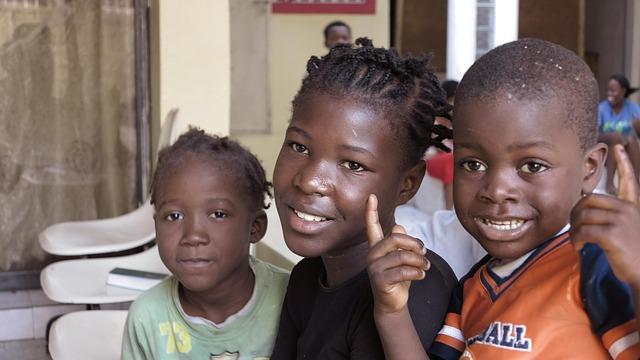
As the humanitarian crisis in Haiti deepens, U.S. deportees are returning to a landscape transformed into a battleground marked by violence, uncertainty, and instability. Amid escalating gang conflicts and a deteriorating security situation, these individuals find themselves thrust into a perilous environment, often with few resources and limited support. The Council on Foreign Relations highlights the urgent challenges facing returnees, who not only confront the trauma of displacement but also navigate a nation grappling with widespread lawlessness and deprivation. This article examines the implications of the growing chaos in Haiti for those deported from the United States and the broader regional stability as the international community observes the unfolding crisis.
Understanding the Escalating Violence in Haiti and Its Impact on Deportees
The escalating violence in Haiti is a pressing issue that impacts not only those who reside in the country but also the growing number of U.S. deportees returning to a land rife with uncertainty. As gang control expands across Port-au-Prince and other areas, the risk for deportees has heightened tremendously. Many of these individuals are thrust back into a society where crime rates have soared, and local infrastructure has crumbled, leaving them vulnerable and often without support. They face challenges such as:
- Inadequate resources to find housing or employment.
- Lack of access to social services or healthcare.
- Fear for personal safety amid rampant gang violence.
This deteriorating environment creates a chaotic backdrop for deportees, who often struggle to reintegrate into a society that can view them with suspicion. Many returnees report being targeted by gangs or facing hostile reception from their communities, further complicating their attempts to rebuild their lives. The international response has been muted, leaving these individuals without necessary assistance. A recent survey indicated that:
| Aspect | Statistics |
|---|---|
| Returnees facing violence | 67% |
| Difficulty finding employment | 80% |
| Lack of access to health services | 75% |
Challenges Faced by U.S. Deportees Amidst Gang Warfare in Port-au-Prince
The situation in Port-au-Prince has escalated into a complex crisis, particularly for U.S. deportees who are navigating a growing landscape of gang violence. Many individuals find themselves returning to a country rife with instability, often lacking the essential support systems to ensure their safety and reintegration. These deportees, previously living in the United States, face unique challenges as they attempt to adapt to a chaotic environment characterized by:
- Widespread Insecurity: Ongoing gang conflicts create a constant threat, making daily activities perilous.
- Limited Resources: Access to basic necessities-like housing, food, and healthcare-is severely compromised.
- Social Stigma: Many deportees face rejection from family and community members, exacerbating their isolation.
In a recent report, local NGOs have highlighted the urgent need for intervention strategies that address these challenges, emphasizing the importance of international aid. Key findings include:
| Challenge | Description | Proposed Solutions |
|---|---|---|
| Security | Life-threatening gang violence in key neighborhoods | Increased police presence and community safety programs |
| Employment | High unemployment rates hinder economic stability | Job training initiatives and small business support |
| Healthcare | Access to medical services is limited | Mobile health clinics and mental health support |
Strategies for Addressing the Crisis and Supporting Vulnerable Deportees
The increasing number of U.S. deportees returning to Haiti amid deteriorating security conditions necessitates the implementation of comprehensive strategies to safeguard vulnerable populations. Key measures can include enhancing coordination between non-governmental organizations (NGOs) and international agencies to facilitate immediate resettlement assistance. Dedicated funds should be allocated to programs providing emergency shelter, food security, and health care services. Additionally, leveraging technology to create a centralized database of resources and available services can help deportees navigate their new reality effectively.
Furthermore, fostering local community outreach initiatives is essential. Building trust within neighborhoods can lead to the establishment of safe spaces for deportees, providing opportunities for social reintegration. Programs focused on training and employment are crucial to empower individuals economically. Communities can benefit from mental health support initiatives to combat the trauma associated with both deportation and the prevailing violence. Engaging local businesses and international sponsors can create partnerships aimed at developing sustainable livelihoods, ultimately enabling deportees to contribute positively to their communities rather than succumb to the cycle of poverty and violence.
In Summary
As the situation in Haiti deteriorates, the challenges facing U.S. deportees become increasingly insurmountable. With escalating violence, political instability, and a humanitarian crisis that shows no signs of abating, many individuals are finding themselves thrust into an environment fraught with danger and uncertainty. The experiences of these deportees serve not only as a poignant reminder of the complexities surrounding migration and foreign policy but also call for urgent attention to the conditions that force individuals to flee their homes in the first place. As the international community grapples with how to respond, the plight of those caught in this growing war zone underscores the need for comprehensive strategies that prioritize human rights and safety. The path forward remains fraught with challenges, but addressing the realities on the ground in Haiti will be essential for developing effective solutions that protect vulnerable populations and promote stability in the region.

