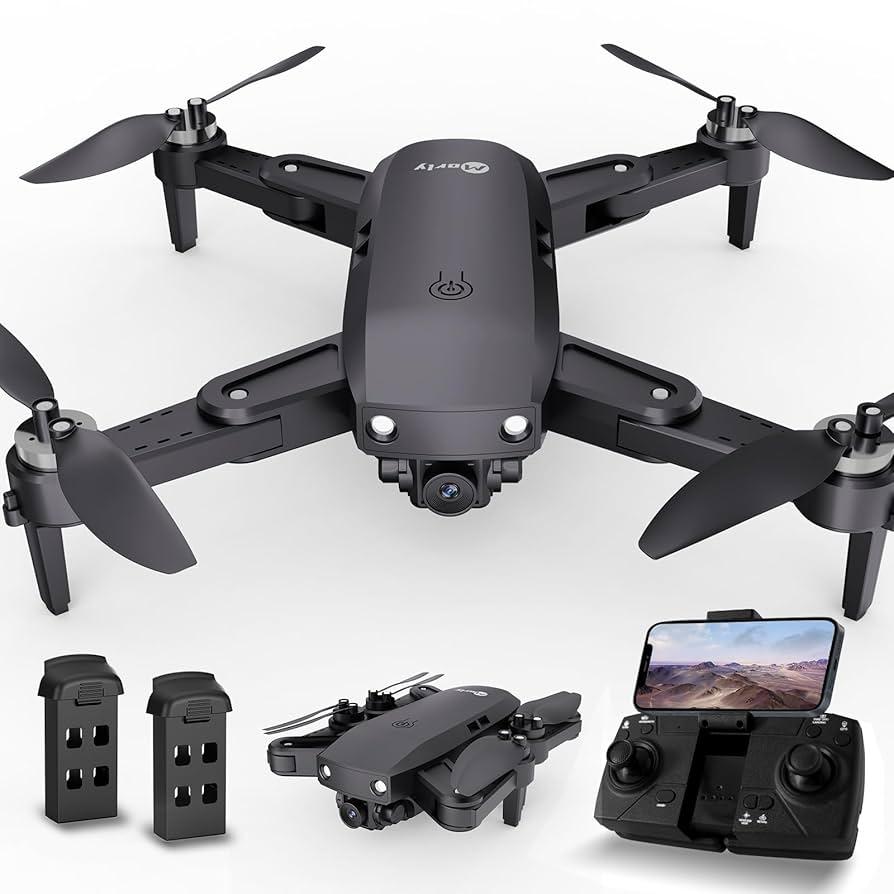
In a bid to combat the escalating violence and gang-related crime that has plagued Haiti, authorities are turning to an unconventional ally: drones. These unmanned aerial vehicles are being deployed for surveillance and intelligence gathering, aiming to enhance security measures in a nation grappling with lawlessness. However, the use of drones raises significant legal and ethical questions, particularly regarding the adherence to international laws governing surveillance and the potential for civilian harm. As Haiti navigates this complex landscape, the implications of utilizing such technology in its fight against gangs prompt urgent scrutiny and debate. This article explores the legality of drone usage in Haiti’s struggle with crime, the challenges faced by law enforcement, and the broader ramifications for human rights and governance in the region.
Haiti’s Drone Warfare: A Controversial Tactic Against Gang Violence
The introduction of drone warfare in Haiti represents a significant shift in the country’s efforts to combat rampant gang violence. Authorities claim that drone surveillance offers a tactical advantage, enabling law enforcement to gather live intelligence and potentially preempt violent incidents. However, the use of aerial technology raises serious ethical and legal questions about the extent of state power and the impact on civilian populations. Critics argue that this method could lead to unlawful surveillance, erosion of privacy rights, and potential collateral damage that disproportionately affects innocent people caught in the conflict.
Moreover, the legal ramifications of drone usage in Haiti are complex and contentious. Key points of concern include:
- Potential violations of international law regarding the use of force.
- The lack of clear regulations governing the deployment of drones in civilian areas.
- Risks of increased violence, as gangs may retaliate against civilians suspected of cooperating with authorities.
As the government navigates these murky waters, a transparent dialogue involving local communities, legal experts, and human rights advocates is critical to ensure that any drone usage adheres to both national and international standards. This complex balance between security and human rights will shape the future impacts of this controversial tactic on Haiti’s social fabric.
Legal Implications of Using Drones in Domestic Policing
The introduction of drones into domestic policing raises a plethora of legal concerns, particularly regarding privacy rights, accountability, and the potential for misuse. As law enforcement agencies employ unmanned aerial vehicles for surveillance and intelligence-gathering, the implications on individual freedoms become a pressing matter. Key issues include:
- Invasion of Privacy: The use of drones can result in unwarranted intrusion into citizens’ private lives, leading to potential violations of constitutional rights.
- Regulatory Framework: Many jurisdictions lack comprehensive legislation specifically governing drone surveillance, creating gaps in legal safeguards.
- Accountability: Without clear policies, the deployment of drones can lead to irresponsible use, raising questions about oversight and responsibility in law enforcement.
Legal scholars emphasize the need for robust frameworks to guide the ethical use of drones in policing. Current laws must be evaluated to ensure they align with evolving technology and societal expectations. Consideration should be given to:
- Establishing Clear Guidelines: Policymakers need to create transparent regulations that dictate how and when drones can be employed by law enforcement.
- Privacy Impact Assessments: Implementing assessments that evaluate the potential privacy impacts before deployment can help mitigate risks.
- Public Consultation: Engaging communities in discussions about drone use in policing can foster trust and understanding between law enforcement and citizens.
| Legal Concerns | Potential Solutions |
|---|---|
| Privacy Invasion | Establish privacy protection laws |
| Lack of Accountability | Create oversight committees |
| Regulatory Vague | Draft comprehensive drone legislation |
Evaluating Alternatives: Community-Based Approaches to Addressing Gang Activity
As the situation in Haiti escalates due to rampant gang violence, it is crucial to consider the limitations and implications of high-tech solutions like drones. While these tools may offer a temporary advantage in surveillance and tracking, they often neglect the root causes of gang activity. Community-based approaches emphasize empowerment, prevention, and engagement, targeting socioeconomic factors that fuel gang recruitment and violence. By focusing on education, job creation, and mental health resources, communities can build resilience against gang influence.
Successful initiatives in other countries highlight the effectiveness of grassroots engagement in preventing gang violence. These approaches involve collaboration among diverse stakeholders, including local organizations, government agencies, and community leaders, fostering trust and promoting social cohesion. A few promising strategies include:
- Mentoring and Youth Programs: Providing positive role models and constructive outlets for youth.
- Community Policing: Encouraging local law enforcement to work closely with communities to rebuild relationships.
- Conflict Resolution Workshops: Equipping individuals with skills to effectively manage disputes without resorting to violence.
The Conclusion
In conclusion, Haiti’s innovative approach to combating gang violence through the use of drones raises critical legal and ethical questions that cannot be overlooked. As the nation grapples with escalating crime and inadequate resources, the allure of technology offers a potential solution but comes with significant risks. The complexities of international law, privacy concerns, and the implications for human rights underscore the need for a careful evaluation of these strategies. As Haiti navigates this challenging landscape, it will be essential for policymakers to consider not only the efficacy of drone surveillance but also the potential ramifications on civil liberties and community trust. The path forward will require a delicate balance between security and legality, a challenge that Haiti is poised to face as it seeks to restore order in a tumultuous environment. Future discussions will need to focus on how best to implement such technologies in a manner that respects both the rule of law and the rights of its citizens.