

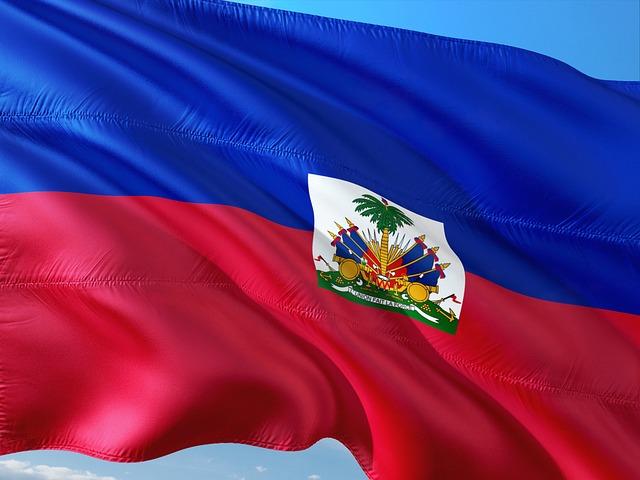
Haiti and the Black Radical Tradition: A Historical Perspective through the Lens of NACLA
In a series of compelling discussions and analyses, the North American Congress on Latin America (NACLA) has turned its attention to the enduring influence of Haiti in shaping the Black radical tradition. As the first nation to abolish slavery and declare independence from colonial rule in 1804, Haiti stands as a beacon of resistance and resilience, embodying the struggles and aspirations of Black liberation movements across the globe. This article delves into the interplay between Haiti’s revolutionary legacy and contemporary movements, highlighting key figures and ideologies that have emerged from this rich tapestry of activism. By examining Haiti’s historical context and its significance within the broader narrative of Black radicalism, we uncover the critical lessons and inspirations that continue to resonate today. Through the lens of NACLA’s scholarship, we explore how Haiti remains at the forefront of the fight for justice and equity, challenging long-standing power structures and igniting a renewed passion for social change.
Understanding Haiti’s Role in the Black Radical Tradition
Haiti has long been a pivotal cornerstone in the evolution of the Black Radical Tradition, embodying a relentless struggle for freedom that reverberates across the African diaspora. The Haitian Revolution, a monumental uprising against colonial oppression, not only liberated the nation in 1804 but also ignited a flame of anti-colonial sentiment that inspired countless movements globally. As the first country to abolish slavery and establish a government led by formerly enslaved people, Haiti’s radicalism set a precedent for resistance against imperialism and systemic racism. This foundational moment galvanized leaders and thinkers throughout the Americas, making Haiti a beacon of hope and a model of self-determination for oppressed populations worldwide.
In examining Haiti’s continued influence, several key elements emerge that illustrate its integration into the Black Radical Tradition:
- Post-colonial resilience: Haiti’s ongoing fight against neo-colonialism illustrates the relentless struggle for autonomy and dignity.
- Intellectual contributions: Haitian thinkers have profoundly shaped revolutionary theories, emphasizing the importance of grassroots movements and collective action.
- Solidarity movements: The spirit of Haitian resistance resonates in contemporary fights against racial injustice, including Black Lives Matter and Pan-Africanism.
Through these elements, Haiti not only maintains its position as a historical epicenter of radical thought but also propels ongoing dialogues about race, identity, and the collective quest for liberation in today’s world.
Analyzing Historical Struggles and Contemporary Resistance
The enduring legacy of Haiti’s fight for independence serves as a testament to the resilience of Black radical traditions against colonial and imperial forces. From the successful slave uprising that led to the establishment of the first Black republic in 1804 to contemporary movements advocating for social and political justice, Haiti’s history is woven into the broader narrative of Black resistance. This struggle has not only defined the Haitian identity but has also flowed into the collective consciousness of Black communities throughout the Americas, fostering a spirit of defiance and solidarity. Key elements of this radical tradition include:
- Anti-colonialism: Haiti’s revolution served as an inspiration for other liberation struggles.
- Solidarity: The interconnectedness of Black struggles across the globe highlights a shared fight against systemic oppression.
- Cultural Resistance: Art, music, and activism continue to reflect and challenge societal injustices.
In the face of contemporary challenges, including political instability and economic hardship, movements in Haiti exemplify a continuation of this radical legacy. Activists today draw from the rich historical context, advocating for rights, reparations, and socio-economic reforms that resonate with the original fight for freedom. The mobilization is characterized by a blend of grassroots organizing and digital activism, showcasing a dynamic approach to resistance. A recent overview of key movements illustrates this ongoing struggle:
| Movement | Focus/Goal | Impact |
|---|---|---|
| Sosyete Koukou Sòl | Environmental justice | Protecting land and resources from exploitation |
| Nou Pap Dòmi | Political reform | Mobilizing against corruption and inequality |
| Mathew Haiti | Education Access | Building community-led education initiatives |
Strategies for Solidarity: Supporting Haitian Voices and Movements
Supporting Haitian voices and movements requires a multifaceted approach that acknowledges the richness of the Black radical tradition while confronting the complexities of Haiti’s contemporary struggles. Activist organizations and community leaders in Haiti are calling for international solidarity that prioritizes local narratives and grassroots initiatives. Here are some key strategies to amplify those voices:
- Fund Community-Led Initiatives: Invest in programs championed by local activists which aim to address issues such as education, healthcare, and economic development.
- Share Platforms: Provide opportunities for Haitian leaders to speak on international stages, ensuring their perspectives are front and center in discussions about Haiti.
- Educate Global Audiences: Develop campaigns that raise awareness about Haiti’s history and the resilience of its people, countering narratives that frame the country solely through a lens of tragedy.
Additionally, creating alliances with North American organizations that share similar objectives can help in fostering a more unified front. Collaboration can manifest through initiatives like joint workshops, cultural exchanges, and strategic advocacy efforts. Consider the table below that outlines potential alliance opportunities:
| Organization | Focus Area | Potential Collaboration |
|---|---|---|
| Haitian Women’s Collective | Gender Equity | Empowerment Workshops |
| Institute for Justice and Democracy in Haiti | Legal Advocacy | Joint Policy Campaigns |
| Kompa School | Cultural Education | Cultural Exchange Programs |
Final Thoughts
As we reflect on the enduring legacy of Haiti within the framework of the Black radical tradition, it becomes clear that the island’s history is not merely a chapter in the annals of resistance but a cornerstone of ongoing struggles for justice and equality across the globe. The North American Congress on Latin America (NACLA) has illuminated how Haiti’s revolutionary past continues to inspire contemporary movements advocating for social change and anti-colonial efforts.
In this analysis, we recognize the challenges Haiti faces today, from pervasive political instability to economic hardships, yet also celebrate its undeniable contributions to the global discourse on freedom and human rights. The narratives shared throughout this exploration serve as a reminder that the fight against oppression is a collective endeavor, intricately woven into the fabric of the Black radical tradition.
As activists and scholars continue to draw from Haiti’s rich history, the urgency of these lessons resonates more than ever. The path forward will require unity, resilience, and an unwavering commitment to honoring the voices that shaped this legacy. As we look ahead, it is imperative to engage with the complexities of Haiti’s story, ensuring that its invaluable lessons are not lost in the tumult of current events. Through informed discussion and active solidarity, we can carry forward the spirit of resistance that has defined Haiti’s journey and the broader Black radical tradition.

