
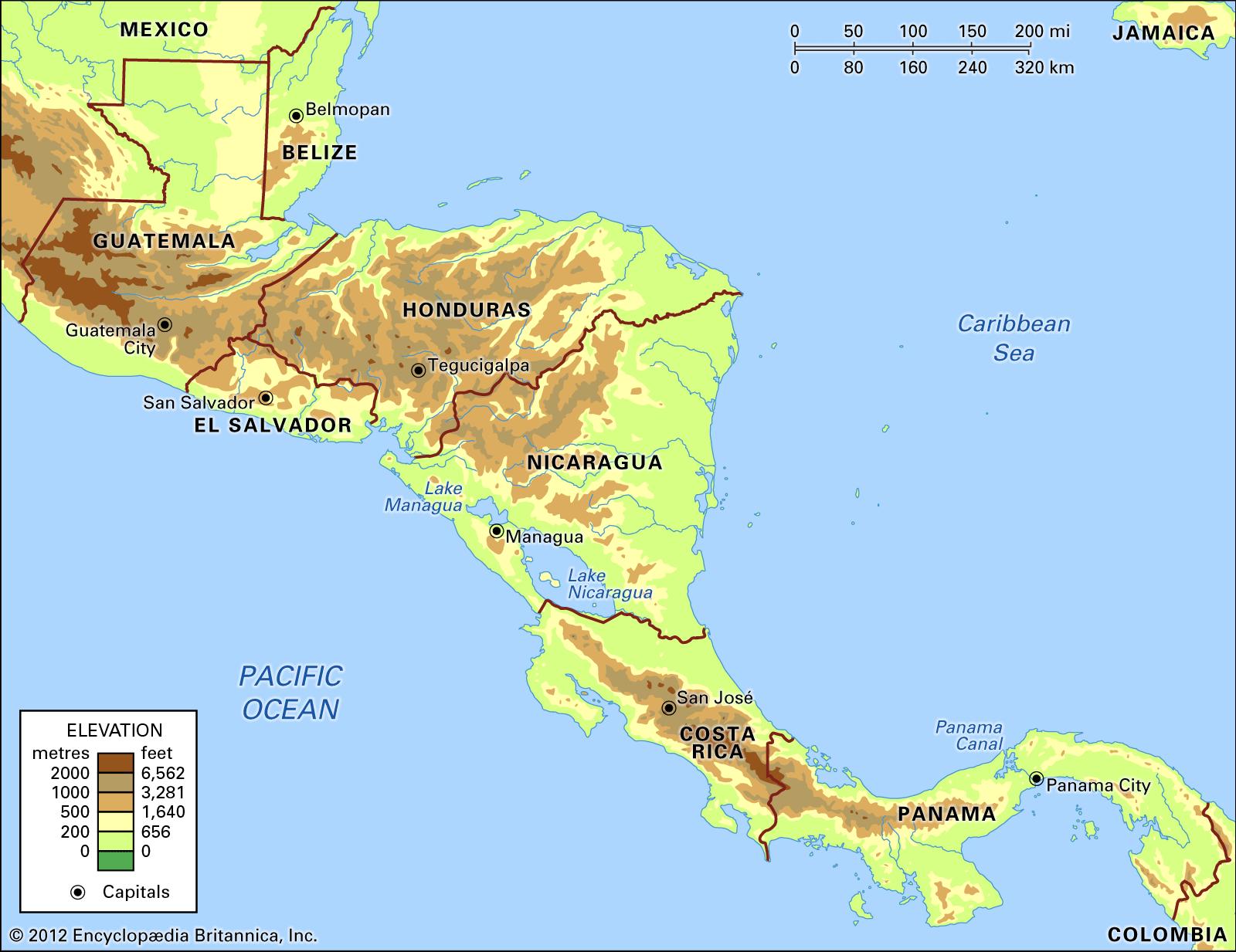
Central America Faces Widespread Impacts from Tropical Storm Sara: Relief Efforts Underway in Honduras – Flash Update No. 2 (18 November 2024)
As Central America grapples with the aftermath of Tropical Storm Sara, which made landfall on November 17, 2024, Honduras finds itself at the center of a growing humanitarian crisis. With heavy rainfall and strong winds affecting vast regions, the Honduran government, alongside international aid organizations, is mobilizing resources to provide immediate relief to those impacted. This flash update outlines the current situation, the response initiatives in place, and the urgent needs of communities facing significant disruptions to their livelihoods and infrastructure. As the storm continues to pose threats to an already vulnerable region, preparedness and coordinated relief efforts are critical to mitigating the storm’s extensive effects.
Impact Assessment of Tropical Storm Sara in Honduras
The assessment of damages caused by Tropical Storm Sara has revealed significant challenges facing Honduras as recovery efforts begin. The storm has left an estimated 50,000 people affected, with resources being stretched thin across the most impacted areas. The following are key impacts noted in the aftermath:
- Severe flooding: Many regions experienced heavy rainfall leading to flooded homes and displacement of families.
- Infrastructure damage: Roads, bridges, and essential facilities suffered extensive damage, complicating access to relief services.
- Agricultural loss: Critical crops, including staple foods, were devastated, threatening food security in the coming months.
Emergency response teams are working tirelessly to assess the full extent of the impact and to deliver aid where it is most urgently needed. A concerted effort will be required from both local authorities and international partners to address the immediate needs and implement long-term recovery strategies. Below is a summary of the affected areas and resources allocated for recovery:
| Affected Areas | Estimated Damage (USD) | Resources Deployed |
|---|---|---|
| Tegucigalpa | $3 million | Food supplies and shelter kits |
| San Pedro Sula | $2 million | Medical teams and water purification units |
| La Ceiba | $1.5 million | Construction materials for rebuilding |
Immediate Humanitarian Response and Relief Efforts
In the wake of Tropical Storm Sara, immediate humanitarian responses are underway across affected regions in Honduras. Humanitarian organizations and local government agencies have mobilized resources to provide essential assistance to the communities hit hardest by the storm. Emergency relief teams are currently conducting assessments to evaluate the damage and identify the urgent needs of displaced families. Key actions include:
- Distribution of food and clean water to ensure basic sustenance for those affected.
- Provision of temporary shelter for families who have lost their homes to flooding and landslides.
- Medical aid to address health concerns arising from the storm, including treatment for waterborne diseases.
- Psycho-social support services to help individuals cope with the trauma of the disaster.
As of now, over 5,000 individuals have been reached with immediate aid. The local Red Cross and various NGOs are collaborating closely to streamline relief efforts and maximize reach. A concerted push for donations and community involvement is underway to sustain these efforts in the upcoming weeks. The table below highlights initial response statistics:
| Category | Number of People Served | Type of Assistance |
|---|---|---|
| Food and Water | 3,000 | Sustenance Packages |
| Temporary Shelter | 1,500 | Tents and Supplies |
| Medical Assistance | 800 | Health Checks and Medicine |
Long-Term Recovery Strategies for Affected Communities
In the wake of Tropical Storm Sara, affected communities in Honduras face significant challenges as they embark on long-term recovery efforts. Building resilience will be paramount, with a focus on strengthening infrastructure to withstand future weather events. Essential strategies include:
- Reconstruction of homes with storm-resistant materials
- Restoration of local agriculture through sustainable practices and crop diversification
- Training and capacity building programs for local leaders and disaster response teams
Such initiatives will not only improve immediate living conditions but also lay the groundwork for economic recovery and sustainability.
Moreover, community engagement will play a crucial role in the recovery process. Local stakeholders must be involved in planning and implementing solutions that best meet their needs. Effective strategies to consider include:
- Establishing local cooperatives to empower communities in resource management
- Developing early warning systems to enhance preparedness for future storms
- Facilitating access to mental health services to support individuals affected by trauma
By fostering collaboration among community members, government agencies, and non-profits, Honduras can cultivate a path toward resilience that prioritizes the welfare and stability of its people.
Future Outlook
As Tropical Storm Sara continues to impact Central America, the situation in Honduras remains critical. With authorities and humanitarian organizations working tirelessly to assess and address the needs of affected communities, the potential for further deterioration in conditions looms. The collaboration between local agencies, international partners, and relief efforts will be pivotal in mitigating the storm’s effects and ensuring swift assistance to those in distress. As developments unfold, we urge readers to stay informed and engaged with the ongoing response efforts, as the resilience of the Honduran people and the effectiveness of the relief initiatives will be key in the days to come. Further updates will be provided as the situation evolves.









