

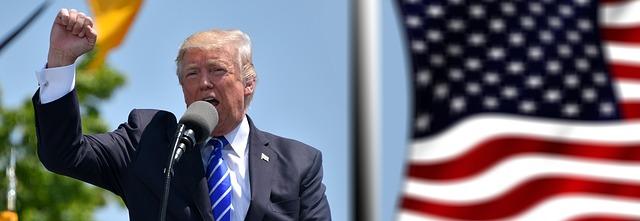
In the ever-shifting landscape of international politics, the interests of one nation can often shape the fortunes of another in unforeseen ways. The recent presidential election in Honduras has captured the attention of political observers not only within Central America but also in Washington, where former President Donald Trump is closely monitoring the unfolding events. This unexpected fixation raises critical questions about the interplay between U.S. foreign policy and regional dynamics, particularly as Honduras grapples with challenges such as corruption, economic instability, and migration. Trump’s vested interest in this election reflects broader geopolitical strategies and domestic political calculations that could reverberate far beyond the borders of Honduras. In this article, we explore the motivations behind Trump’s keen interest and the implications it may hold for both countries and their relationship.
The Geopolitical Stakes: Understanding Trump’s Focus on Honduras
The political landscape in Honduras has gained prominence in U.S. foreign policy discussions, particularly under Donald Trump’s administration. The former president’s focus on this Central American nation is historically rooted, with implications tied to broader geopolitical interests. Honduras has long been seen as a strategic ally in the region, and Trump’s interest can be connected to multiple factors, including immigration, drug trafficking, and economic stability. This focus is exemplified by efforts to control the flow of migrants heading to the U.S. border, with many fleeing violence and poverty in Honduras. In this context, a successful election in Honduras could lead to a change in leadership that aligns with U.S. objectives, potentially stabilizing the region and reducing migratory pressures.
Furthermore, the outcomes of the Honduran elections can affect international relations and trade dynamics. The nation’s political stability is crucial not only for American interests but also for local economies that heavily rely on trade with the U.S. and other partners. Key points illustrating the stakes include:
- Drug Trafficking: Honduras has been a transit point for narcotics heading to the U.S., making its governance pivotal in combating organized crime.
- Migration Patterns: A stable government could mitigate the factors driving illegal migration, impacting U.S. immigration policy.
- Economic Ties: Trade agreements with Honduras, such as the Central America-Dominican Republic Free Trade Agreement (CAFTA-DR), are significant for U.S. exports.
| Crisis Factors | Impact on Elections |
|---|---|
| Political Corruption | Undermines voter trust |
| Gang Violence | Disrupts civic participation |
| Economic Instability | Affects voter decisions |
Economic Implications: The Impact of Honduran Politics on U.S. Interests
The interplay between Honduran politics and U.S. interests extends beyond mere diplomatic ties; it fundamentally influences trade, immigration, and security policies. Historically, the U.S. has sought to stabilize the region through aid and trade agreements, viewing a stable Honduras as critical to curbing the flow of migrants heading towards its southern border. As political power shifts in Honduras, so does the landscape for U.S. policy. A government aligning with U.S. priorities could lead to enhanced economic cooperation, while one that diverges might provoke a reassessment of American strategies in Central America. The stakes are high as political alliances can impact:
- Trade Relations: Trade agreements may be renegotiated to reflect new priorities.
- Migration Policy: Changes in migration patterns could require adjustments in U.S. border management.
- Security Cooperation: U.S. involvement in combating gangs and drug trafficking could wane or intensify.
Additionally, the economic repercussions of elections can ripple through market perceptions. Investors and businesses often react to political uncertainty with caution, impacting not only foreign direct investment in Honduras but also influencing financial markets across the region. A table summarizing the potential investment climate might look like this:
| Political Landscape | Potential Investment Impact |
|---|---|
| Pro-U.S. Government | Increase in investment due to stability and favorable policies |
| Populist or Anti-U.S. Government | Decrease in investment as risks escalate and policies shift |
| Political Gridlock | Moderate investment climate with delayed decision-making |
Strategic Recommendations: Engaging with Central America for Stability
To bolster stability in Central America, particularly in Honduras, strategic engagement from the United States is paramount. This involves adopting a multi-faceted approach that includes:
- Strengthening Democratic Institutions: Supporting civil society organizations and independent media ensures a transparent electoral process that can withstand external pressures and corruption.
- Economic Assistance: Investing in economic development projects can address the root causes of instability, reducing migration pressures and fostering partnerships with local businesses.
- Regional Cooperation: Coordinating efforts with neighboring countries to create a unified front against crime and corruption can enhance overall regional security.
Moreover, any plan to engage with Honduras should prioritize human rights and anti-corruption measures. Key strategies could include:
- Training Law Enforcement: Providing resources and training to local police forces to enhance their ability to combat violence and tackle organized crime effectively.
- Monitoring Elections: Deploying international observers to ensure that elections are free, fair, and credible can help restore faith in the political process.
- Promoting Community Resilience: Implementing programs aimed at youth and vulnerable populations will build resistance against gangs and violence.
To Wrap It Up
In conclusion, Donald Trump’s interest in Honduras’s election underscores the complex interplay of U.S. foreign policy, migration, and regional stability. As the political landscape in Central America continues to evolve, the implications of the election outcomes extend beyond the borders of Honduras, influencing U.S. domestic agendas and its approach to immigration. The stakes are high, not only for the Honduran people but also for the future of the U.S.-Central America relationship. As observers monitor the unfolding political dynamics, it remains clear that the results will have far-reaching consequences, shaping the narratives and policies in Washington and beyond for years to come. The world will be watching closely.

