

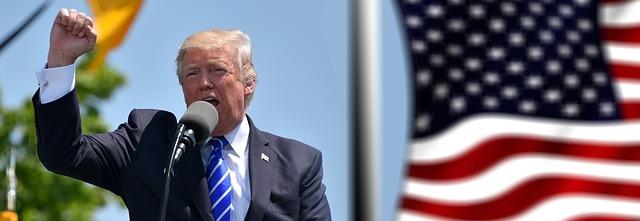
In a political landscape marked by shifting alliances and contentious legal battles, former President Donald Trump’s promise to consider a pardon for Honduras’ imprisoned ex-president, Juan Orlando Hernández, has reignited debates over corruption, governance, and U.S. foreign policy in Central America. Hernández, who was extradited to the United States on drug trafficking charges, has remained a polarizing figure in Honduran politics, accused of fostering a culture of impunity during his time in office. As Trump signals potential support for a leader seen by many as emblematic of the region’s challenges, the implications of this promise extend beyond Honduras’ borders, raising questions about the influence of U.S. politics on Central American affairs and the broader ramifications for democratic institutions. In this article, we explore the contexts surrounding Trump’s pardon promise, the legal and political ramifications for Hernández, and what this means for Honduras and its future.
Trump’s Pardon Proposal Ignites Controversy Over Corruption and Justice in Honduras
Former President Donald Trump’s recent proposal to pardon Honduras’ imprisoned ex-president, Juan Orlando Hernández, has sparked heated debates across multiple fronts, raising pressing questions about the interplay of corruption and justice in Central America. Hernández, who is currently serving a lengthy prison sentence for various corruption-related charges, has long been viewed as a controversial figure. Many critics argue that such a pardon would undermine efforts to curb corruption in Honduras, a country already grappling with severe political instability and economic challenges. The implications of this act could resonate well beyond the borders of Honduras, impacting U.S. foreign policy and local governance structures.
Supporters of Hernández, including prominent political figures in the U.S., argue that his leadership was pivotal in combating drug trafficking and securing stability in the region. However, opponents contend that a pardon would send a damaging message about accountability and the rule of law. They highlight that:
- The perceived normalization of corruption could embolden other leaders to exploit their positions without fear of repercussions.
- Pardoning Hernández may signal a retreat from U.S. commitment to promoting democratic values in Central America.
- Public trust in political institutions could further erode in Honduras, exacerbating social unrest.
As discussions surrounding Trump’s proposal continue, it remains to be seen how this potential pardon could reshape the future of governance and democracy in Honduras while influencing the dynamics of U.S.-Latin America relations.
Impact of Pardon Promise on Ongoing Political Turmoil and Extradition Treaties
The recent announcement from former President Trump about a potential pardon for Honduras’ imprisoned ex-president has injected a new layer of complexity into an already tumultuous political landscape. As the prospect of clemency looms, both domestic and international observers are grappling with its implications for the stability of Honduras, a nation already fractured by political strife. The promise of a pardon could embolden factions within Honduras that are vying for power, potentially exacerbating tensions between supporters of the ex-president and opposition groups. Additionally, the promise raises questions about legal ramifications and the principles underpinning extradition treaties that the U.S. has with Central American countries.
In light of this development, several key factors emerge that merit attention:
- Legal Precedent: A pardon could set a troubling example for political accountability within the region.
- International Relations: This announcement may influence U.S. relations with other Latin American nations, particularly in respect to human rights and governance standards.
- Public Sentiment: The Honduran populace remains deeply divided, which could lead to protests or civil unrest as various groups react to the news.
| Factor | Potential Impact |
|---|---|
| Expatriation Concerns | May affect pending extradition cases involving corrupt officials |
| Political Fragmentation | Could lead to increased polarization among political parties |
Recommendations for Strengthening Rule of Law Amidst Diplomatic Challenges and Uncertainty
The complexities surrounding diplomatic relationships often overshadow the fundamental principles that uphold the rule of law. In nations where political turmoil and corruption are prevalent, like Honduras, foreign influence can complicate justice delivery. To counter these challenges, empowering local institutions is essential. Investments in judicial training and public resource allocation can enhance the integrity and capability of legal systems, fostering an environment where the rule of law can thrive independently. Moreover, international partnerships that emphasize accountability in governance can serve as a framework for reform, enabling countries to address underlying issues without succumbing to external pressures.
Additionally, public awareness campaigns can play a pivotal role in strengthening the rule of law amidst uncertainty. Engaging citizens through educational programs on legal rights and responsibilities can cultivate a society that actively participates in the democratic process. Governments and civil society organizations should aim to:
- Promote transparency in political and legal institutions.
- Encourage civic engagement through community forums and discussions.
- Launch initiatives that hold public officials accountable.
Such measures not only create a more informed populace but also provide a counterbalance to political forces that may seek to manipulate legal proceedings for personal or political gain. The establishment of a resilient civil society is crucial, allowing citizens to assert their rights and demand justice even in the face of diplomatic challenges.
To Wrap It Up
In conclusion, the prospect of a pardon for Honduras’ imprisoned ex-president, fueled by the political machinations of former President Donald Trump, raises significant implications for both U.S.-Honduran relations and the broader Latin American landscape. As actors on both sides of the political spectrum react to the unfolding narrative, questions remain about the impact of such a move on the rule of law in Honduras and the message it sends regarding accountability for corruption. As developments continue to unfold, the eyes of the world will be on both nations, scrutinizing the delicate interplay between justice and political influence in a region still grappling with the legacy of political turmoil. The future of Honduras hangs in the balance, dependent not only on its domestic policies but also on international dynamics that could alter its course once again.

