
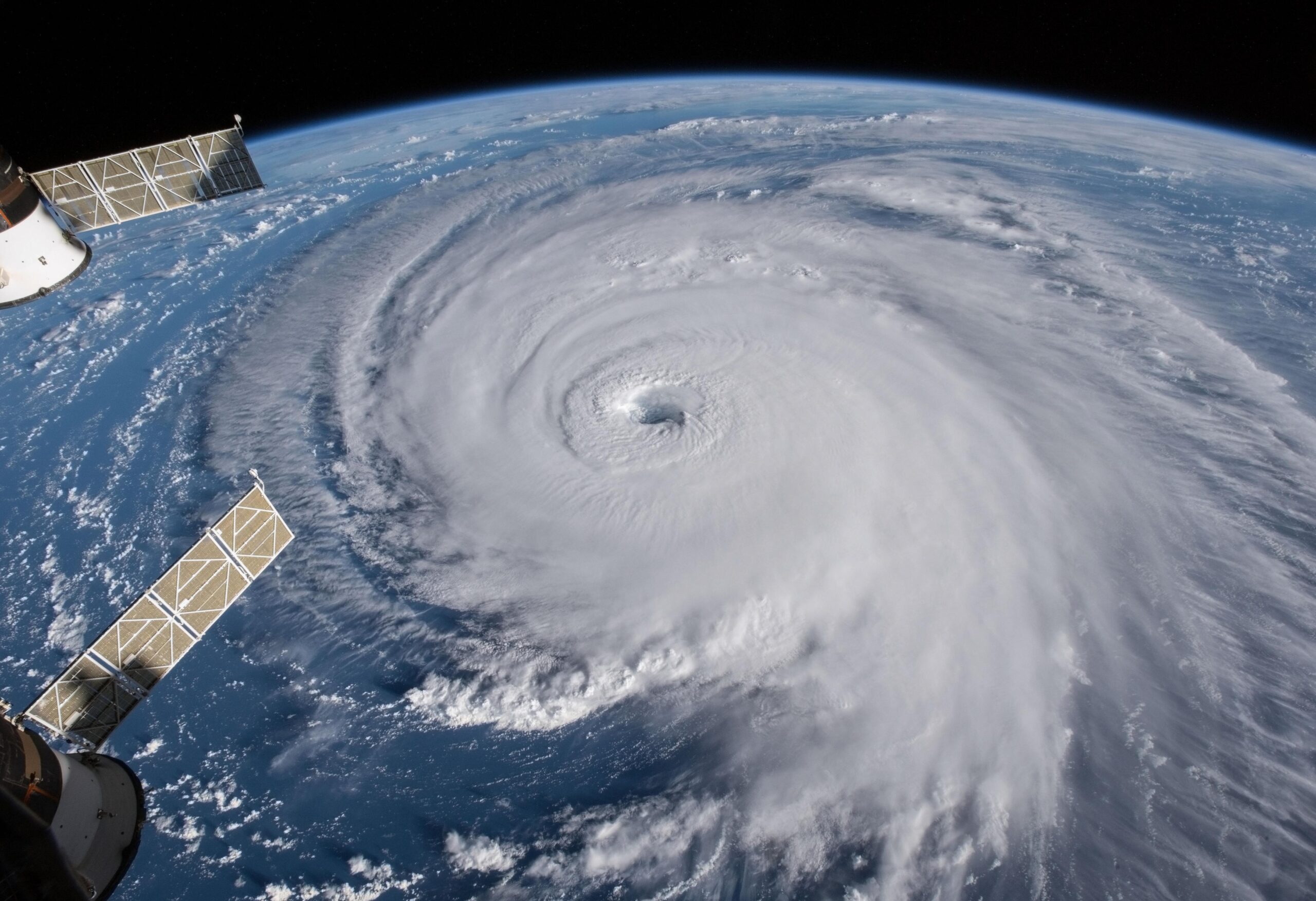
Tropical Storm Sara Unleashes Devastation in Honduras with Record Rainfall
In a devastating turn of events, Tropical Storm Sara has inundated parts of Honduras with more than 20 inches of rain, leading to widespread flooding and significant disruption across the region. As communities grapple with the aftermath of this extraordinary deluge, emergency services are mobilizing to assist those affected, while officials assess the damage and prepare for potential further impacts. With heavy rains continuing in various areas, the storm poses an ongoing threat to both residents and infrastructure as the country braves the dual challenges of natural disaster and recovery efforts. This article explores the implications of Tropical Storm Sara on Honduras, highlighting the resilience of its people amid adversity and the urgent need for humanitarian support in the wake of severe weather.
Impact of Tropical Storm Sara on Honduran Communities Faces and Responses
The aftermath of Tropical Storm Sara has left a significant mark on various Honduran communities, leading to severe flooding and landslides that have devastated infrastructure and homes. Reports indicate that some areas received more than 20 inches of rain in a matter of days, inundating streets and rendering them impassable. Many residents are facing the grim reality of damaged roofs and collapsed walls, with entire neighborhoods submerged. As a result, the government and local organizations have mobilized to provide immediate assistance and relief efforts.
In response to the catastrophe, numerous initiatives are underway to support affected families and restore community functionality. Relief efforts include:
- Emergency shelters: Temporary facilities are being set up to accommodate those who have been displaced.
- Food and water distribution: Essential supplies are being delivered to areas most impacted by the storm.
- Medical care: Mobile clinics are providing health services to prevent waterborne diseases amidst the unsanitary conditions.
Local leaders are urging residents to remain cautious and report any damages to facilitate quicker response and rebuilding efforts.
Emergency Preparedness Lessons Learned from the Devastation in Honduras
The recent catastrophic impact of Tropical Storm Sara on Honduras has underscored the critical need for robust emergency preparedness strategies. The intensity of the storm, which unleashed more than 20 inches of rain in various regions, has laid bare the vulnerabilities that many communities face. Key lessons were derived from the chaos that ensued, illuminating the importance of proactive planning and community engagement. Authorities must invest in upgrading infrastructure such as drainage systems to better withstand extreme weather conditions. Additionally, enhancing early warning systems can provide residents with vital information, enabling them to take timely actions to safeguard lives and property.
Moreover, the crisis prompted reflections on the significance of education and training in disaster response. Community drills and workshops can equip residents with essential skills, fostering resilience in the face of future calamities. Collaborating with local NGOs and international aid organizations can also amplify the effectiveness of preparedness initiatives. Some fundamental components that should be emphasized include:
- Improving communication channels to ensure information dissemination during emergencies.
- Establishing community-led response teams to provide immediate assistance and resources.
- Encouraging sustainable practices to mitigate environmental degradation and bolster resilience.
Implementing these lessons can transform the landscape of emergency management in Honduras, ensuring that communities emerge stronger and more equipped to handle future disasters.
Short and Long-Term Recovery Strategies for Flood-Affected Regions
In the aftermath of Tropical Storm Sara, which unleashed over 20 inches of rain across parts of Honduras, affected communities face the daunting challenge of recovery. Short-term recovery strategies are imperative to provide immediate relief and restore basic services. These may include:
- Emergency shelters: Setting up temporary housing for displaced families.
- Water and sanitation: Distributing clean water and sanitation supplies to prevent disease outbreaks.
- Food aid: Coordinating deliveries of staple foods to ensure that vulnerable populations do not suffer from malnutrition.
- Repairing infrastructure: Rapidly assessing and addressing damage to roads, bridges, and public utilities.
As the floodwaters recede and the focus shifts to long-term recovery efforts, it becomes crucial to rebuild in a way that enhances resilience against future disasters. Key strategies for sustainable recovery include:
- Community involvement: Engaging local residents in the recovery planning process to ensure their needs are met.
- Infrastructure improvement: Constructing flood-resistant roads and buildings that can withstand severe weather events.
- Ecosystem restoration: Investing in natural barriers, such as wetlands and mangroves, to reduce the impact of future floods.
- Capacity building: Training local leaders and organizations in disaster preparedness and response to foster self-sufficiency.
Future Outlook
As Tropical Storm Sara continues to impact Honduras, the country faces the challenging aftermath of unprecedented rainfall exceeding 20 inches in certain areas. With severe flooding and landslides posing significant risks to communities already vulnerable to natural disasters, local authorities are mobilizing resources to provide immediate relief and assess further damage. The government, alongside humanitarian organizations, is working tirelessly to ensure the safety and support of those affected. As the storm dissipates, the focus will shift to recovery efforts and strengthening infrastructure to better withstand future weather events. The events of Tropical Storm Sara serve as a stark reminder of the increasing frequency and intensity of such storms, prompting critical discussions about climate resilience in the region. As updates continue to unfold, our thoughts remain with the people of Honduras as they navigate this challenging situation.











