

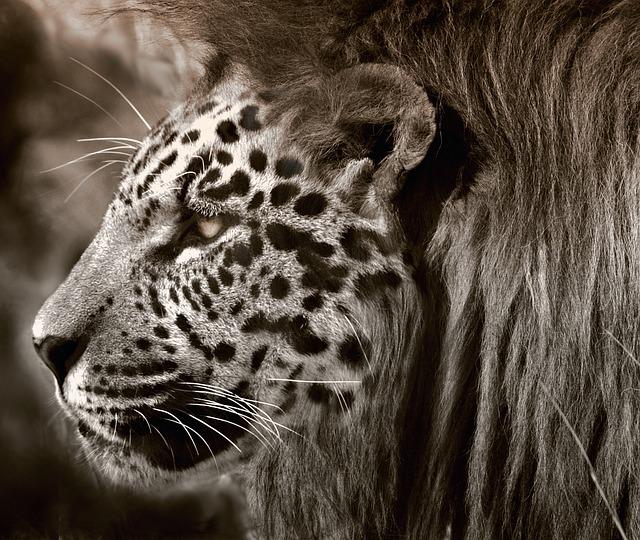
In a groundbreaking development for wildlife conservation, a rare sighting of a high-altitude jaguar in the remote mountains of Honduras has ignited hope among conservationists and researchers alike. This elusive feline, once thought to predominantly inhabit lowland rainforests, has been observed in an unexpected ecosystem, raising questions about its adaptability and the health of its habitat. The sighting, captured on camera by local conservationists, not only highlights the extraordinary resilience of this endangered species but also underscores the critical need for ongoing conservation efforts in the face of habitat loss and climate change. As the jaguar roams higher elevations, it offers a glimmer of optimism for efforts aimed at preserving the rich biodiversity of Central America.
Rare High-Altitude Jaguar Sighting Offers Insights into Species Adaptation in Honduras
In a groundbreaking observation, wildlife researchers have recently documented a rare sighting of a jaguar at high altitudes in the mountainous regions of Honduras. This remarkable encounter not only sheds light on the adaptability of jaguars but also raises important questions about their conservation in changing environments. According to ecologists studying the area, this behavior could signal the species’ response to shifting ecosystems and habitat challenges, offering a beacon of hope for conservation efforts aimed at protecting these elusive big cats. Key factors identified from this sighting include:
- Altitude Adaptation: Jaguars are typically found in lower elevations, making this sighting an anomaly.
- Prey Availability: The presence of suitable prey at higher altitudes may encourage these big cats to explore new territories.
- Habitat Connectivity: The interconnectedness of habitats is crucial as climate change alters existing landscapes.
Experts believe that understanding these adaptations will be vital for future conservation strategies. In particular, maintaining healthy ecosystems in Honduras’ mountainous regions could play a pivotal role in ensuring the survival of the jaguar population. A preliminary study on habitat use among jaguars in this area has revealed significant insights, which are summarized in the following table:
| Observation Element | Description |
|---|---|
| Habitat Type | Forested mountain ranges |
| Altitude Range | 1500 – 2000 meters above sea level |
| Prey Species Documented | Agouti, peccary, and various birds |
This sighting presents an opportunity not only to study jaguar behavior but also to underscore the importance of preserving high-altitude habitats in Honduras. As research continues, conservationists remain hopeful that comprehensive efforts to protect these ecosystems will lead to a resurgence of jaguar populations across the region.
Conservationists Urge Immediate Action to Protect Jaguar Habitats Amidst Climate Change Threats
In a rare and uplifting moment for conservationists, a recent sighting of a high-altitude jaguar in Honduras has sparked new hope for the protection of these majestic animals and their habitats. This elusive feline was observed in a remote area of the Montaña de la Flor, an essential ecosystem that plays a crucial role in sustaining wildlife diversity. As environmental challenges intensify, the need for comprehensive conservation measures has become more urgent. The unique characteristics of this habitat highlight its significance as a refuge for jaguars, whose populations are increasingly threatened by habitat destruction and climate change.
Experts have emphasized the following crucial points regarding the preservation of jaguar habitats:
- Urgent Protection: Immediate safeguarding measures are required to protect the remaining dense forests from deforestation and illegal logging.
- Community Engagement: Involving local communities in conservation efforts will provide sustainable livelihoods and foster stewardship of the land.
- Climate Resilience: Strengthening ecosystem resilience through reforestation and restoration projects is essential for combating climate-related threats.
| Threats to Jaguar Habitats | Impact Level |
|---|---|
| Deforestation | High |
| Climate Change | High |
| Illegal Wildlife Trade | Medium |
| Urban Expansion | Medium |
Community Engagement and Sustainable Practices Essential for Long-Term Jaguar Conservation Efforts
Community involvement is pivotal in ensuring the success of jaguar conservation initiatives. Local residents, equipped with a deep understanding of their environment, are invaluable allies in protecting these elusive big cats. By fostering partnerships between conservation organizations and indigenous communities, conservationists can gain insights into effective practices rooted in traditional ecological knowledge. Here are a few strategies that highlight the importance of community engagement:
- Awareness Campaigns: Educating local populations about the ecological role of jaguars and the benefits of biodiversity.
- Training Programs: Equipping locals with skills in sustainable tourism, promoting economic benefits through wildlife conservation.
- Community-Based Monitoring: Involving residents in tracking and reporting on jaguar populations to enhance data accuracy and build local commitment.
Additionally, implementing sustainable practices is crucial for the long-term survival of jaguars. Effective land management strategies can reduce human-wildlife conflict, creating a balanced ecosystem where both people and wildlife can thrive. A focus on sustainable agriculture and forestry practices, promoting the use of native species, and minimizing deforestation are essential components. The following table outlines key practices and their benefits:
| Practice | Benefits |
|---|---|
| Sustainable Agriculture | Reduces habitat destruction and supports local economies. |
| Forest Restoration | Rehabilitates ecosystems and enhances biodiversity. |
| Eco-Tourism | Generates revenue while promoting conservation awareness. |
To Conclude
In conclusion, the recent sighting of a rare high-altitude jaguar in Honduras marks not only a significant moment for wildlife enthusiasts and conservationists but also serves as a reminder of the fragile balance that exists in our ecosystems. This unique encounter highlights the resilience of nature and the importance of safeguarding habitats that support such elusive species. As conservation efforts continue to evolve, the hope remains that this sighting can inspire greater awareness and action to protect the diverse wildlife of Honduras. The challenges are formidable, but this remarkable observation injects a much-needed ray of optimism into ongoing efforts to conserve the region’s rich biodiversity for future generations.

