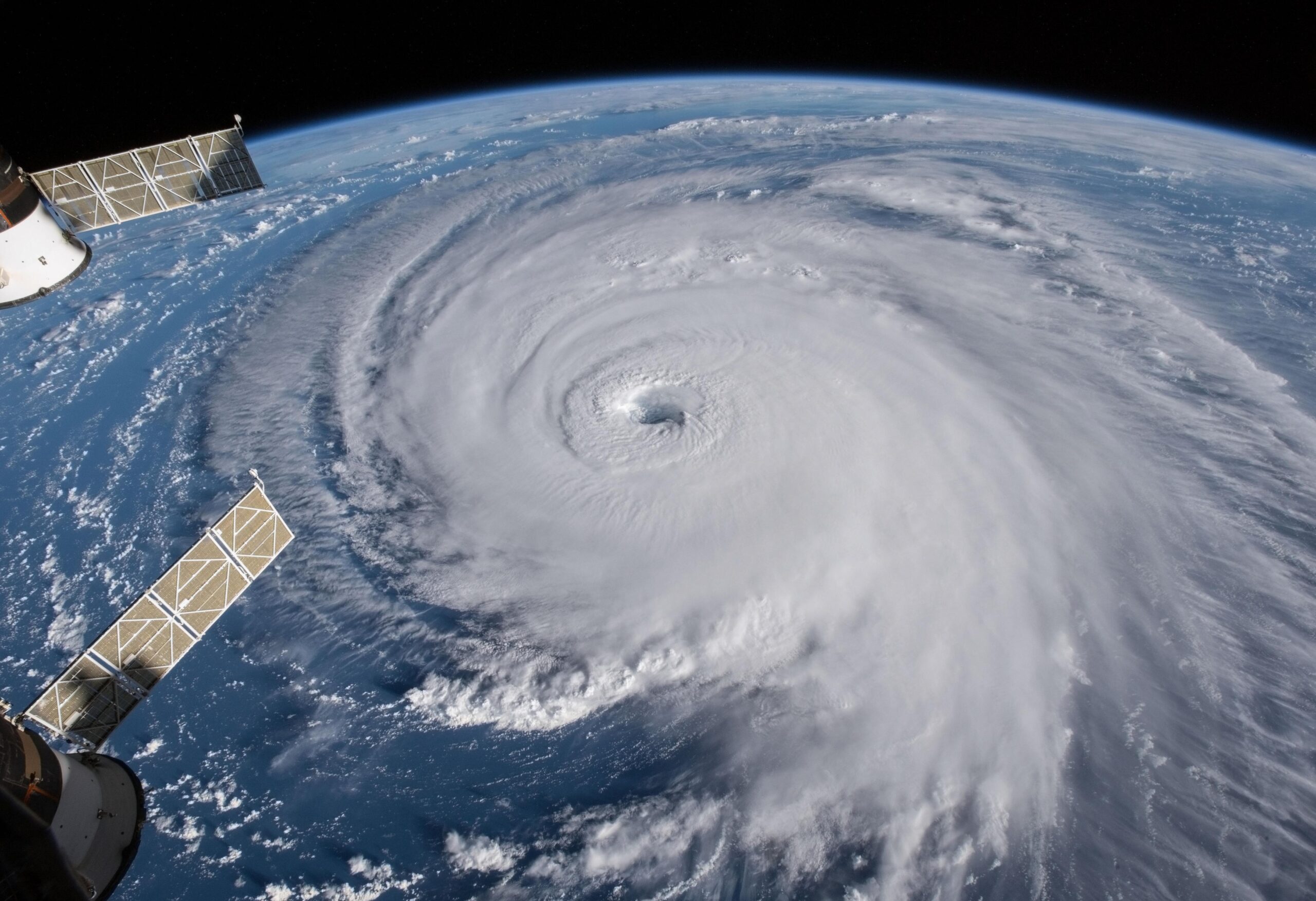
In a developing weather emergency, Tropical Storm Sara has made landfall in Honduras, bringing with it fears of “potentially catastrophic” flooding across the region. As the storm sweeps through Central America, officials are bracing for significant rainfall and heightened risk of mudslides, particularly in areas already vulnerable from previous natural disasters. With local authorities urging residents to seek shelter and implement safety measures, the impact of Sara is being closely monitored as families prepare for the worst. This article explores the latest updates on the storm’s trajectory, the response from government agencies, and the implications for communities already grappling with environmental challenges.
Impending Catastrophe Unfolds in Honduras as Tropical Storm Sara Approaches
The situation in Honduras has reached a critical juncture as Tropical Storm Sara advances toward the region, threatening life-altering consequences for countless residents. Government officials and meteorologists are issuing dire warnings, emphasizing the potential for catastrophic flooding and landslides that could devastate communities already vulnerable from past environmental challenges. The National Hurricane Center has classified the storm as a serious threat, with sustained winds and heavy rains that could lead to excessively swollen rivers and overflowing reservoirs.
Authorities are mobilizing resources and deploying emergency response teams to preemptively mitigate risks and assist those in direct danger. Key actions being undertaken include:
- Evacuation of high-risk areas
- Distribution of emergency supplies, including food and medical kits
- Establishment of shelter centers for displaced citizens
- Increased monitoring of local weather and river conditions
Residents are urged to stay informed through local news and emergency broadcasts, as the storm could deliver unprecedented rainfall, with forecasts predicting up to 12 inches in some regions. As the situation unfolds, the international community remains alert, ready to provide assistance should the impending storm yield disastrous outcomes.
| Potential Impact | Expected Severity |
|---|---|
| Flooding | High – Catastrophic in low-lying areas |
| Landslides | Moderate to High |
| Infrastructure Damage | High – Road closures expected |
| Power Outages | High – Possible across affected regions |
Emergency Preparedness: Key Measures for Communities at Risk of Flooding
As communities in Honduras brace for Tropical Storm Sara, preparedness becomes critical in mitigating the impact of potential flooding. Residents in at-risk areas should take proactive steps to safeguard their homes and ensure their safety. Among the essential measures are:
- Emergency Kits: Assemble a kit with vital supplies such as water, non-perishable food, medications, flashlights, batteries, and first aid items.
- Evacuation Plan: Establish a well-communicated evacuation route and identify safe zones, ensuring all family members are familiar with this plan.
- Community Training: Participate in local emergency response workshops, enhancing skills in first aid, fire safety, and rescue operations.
Furthermore, local governments and organizations play a crucial role in fostering resilience among communities. It is vital to implement infrastructure improvements and engage in continuous monitoring of weather patterns. Effective strategies may include:
- Flood Barriers: Constructing levees and floodwalls to protect vulnerable areas from rising waters.
- Drainage Maintenance: Regular inspection and cleaning of drainage systems to prevent clogging and promote efficient water flow.
- Public Awareness Campaigns: Increasing community awareness about flood risks and safety protocols through workshops and social media outreach.
Long-Term Solutions: Addressing Infrastructure Vulnerabilities in Flood-Prone Areas
The debilitating effects of tropical storms, such as the recent Tropical Storm Sara, highlight the urgent need for long-term infrastructural reforms in flood-prone regions like Honduras. Investing in resilient infrastructure can significantly mitigate the impact of severe weather events. This involves enhancing drainage systems, building flood barriers, and restoring natural wetlands, which act as buffers against flooding. Communities should also invest in sustainable land-use planning that limits construction in high-risk areas, thereby preserving the natural landscape’s ability to absorb excess rainfall.
To effectively implement these changes, a collaborative approach is essential. Local governments, national agencies, and international organizations must unite to create comprehensive disaster management strategies that address both immediate relief and future resilience. Key components include:
- Community Engagement: Involving residents in decision-making ensures that solutions are tailored to local needs.
- Investment in Technology: Utilizing predictive modeling and early warning systems can save lives and property.
- Environmental Restoration: Rehabilitating forests and wetlands enhances natural defenses against flooding.
In Summary
As Tropical Storm Sara continues to unleash its fury across Honduras, the dire warnings from meteorological experts underscore the critical threat of potentially catastrophic flooding in the region. Authorities are urging residents in vulnerable areas to remain vigilant and adhere to safety guidelines as they prepare for heavy rainfall and rising waters. Communities are mobilizing resources and support systems to mitigate the impact, but the path ahead remains uncertain. As the storm progresses, the situation will demand both local and international attention, given the potential for widespread disruption and humanitarian needs. Continued monitoring and assistance will be essential in the days to come, as Honduras braces for the effects of this severe weather event. Stay tuned for ongoing updates and further developments in the aftermath of Tropical Storm Sara.