

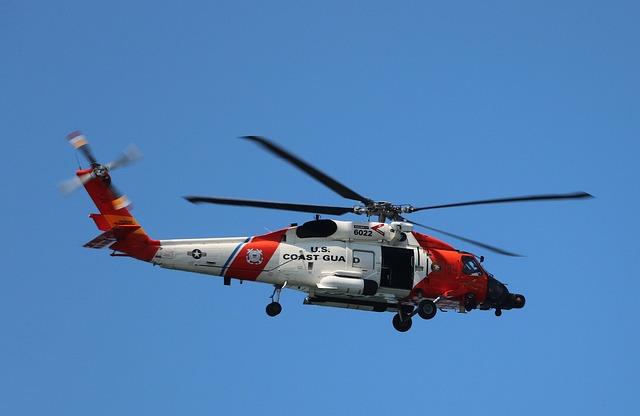
In a significant triumph against drug trafficking, the U.S. Coast Guard announced the seizure of approximately $27 million worth of cocaine from the Caribbean Sea, underscoring ongoing efforts to combat the influx of illegal narcotics in the region. The operation, which took place in recent days, highlights the Coast Guard’s commitment to safeguarding the nation’s waters and curbing the activities of drug cartels that pose a threat to public safety. This latest bust, reported by the Jamaica Observer, not only reflects the persistent challenges faced by law enforcement agencies in the Caribbean but also emphasizes the critical importance of international cooperation in the fight against drug-related crime.
US Coast Guard’s Major Cocaine Seizure in Caribbean Unravels Drug Trafficking Networks
The recent operation by the US Coast Guard in the Caribbean has led to the confiscation of approximately US$27 million worth of cocaine, significantly impacting the operations of drug trafficking networks in the region. This substantial seizure, which involved over 1,100 kilograms of the illicit substance, highlights the ongoing efforts of federal agencies to combat drug smuggling in one of the most trafficked maritime routes in the world. The drugs were discovered during a series of interdiction operations, where the Coast Guard intercepted several vessels thought to be transporting narcotics destined for the US market.
Officials stated that these confiscations not only demonstrate the vigilance and effectiveness of the Coast Guard’s maritime patrols but also reveal the intricate web of trafficking operations operating across international waters. The engagement of multiple agencies, including local law enforcement, has allowed for a coordinated response, resulting in a disruption of supply chains used by traffickers. Key points related to the operation include:
- Enhanced surveillance techniques utilized in maritime operations
- Increased collaboration with international law enforcement agencies
- Continuous monitoring of known trafficking routes
Implications of the Seizure for Drug Enforcement and Maritime Security in the Region
The recent seizure of cocaine valued at approximately US$27 million by the US Coast Guard in the Caribbean Sea underscores significant challenges and implications for both drug enforcement and maritime security in the region. This operation not only highlights the ongoing battle against drug trafficking networks but also emphasizes the strategic importance of maritime patrols and surveillance efforts. With Caribbean waters being a primary transit route for illegal drugs destined for the United States and beyond, the successful interception of these shipments serves as a crucial reminder of the need for enhanced collaboration among regional and international law enforcement agencies.
Moreover, this event could lead to a reevaluation of current maritime security frameworks and potentially prompt increased investments in technology and resources necessary to combat the evolving methods employed by drug traffickers. Significant implications include:
- Heightened Surveillance: An uptick in aerial and naval patrols to monitor illegal activities.
- Regional Cooperation: Strengthening alliances between Caribbean nations and US agencies to share intelligence and resources.
- Intelligence Gathering: Investment in new technologies for tracking and disrupting drug routes.
- Policy Revisions: Reevaluation of legal frameworks to support interdiction efforts.
Strategic Recommendations for Enhanced Collaboration and Future Operations Against Drug Smuggling
The recent interception of US$27 million worth of cocaine in the Caribbean Sea underscores the persistent challenge of drug smuggling in the region. In light of this significant operation, it is crucial for agencies involved in maritime security to consider collaborative frameworks that enhance operational efficiency. Joint task forces comprised of Coast Guard personnel, local law enforcement, and international partners can be pivotal in tackling these issues. Establishing information-sharing platforms can also facilitate the rapid dissemination of intelligence regarding trafficking routes and emerging threats. This decentralized approach ensures that various stakeholders have real-time access to crucial data, allowing for timely and coordinated responses to drug smuggling activities.
Furthermore, investing in advanced technology such as drones and surveillance systems can bolster the detection capabilities of maritime security forces. Equipping vessels with state-of-the-art communication gear will enhance operational coordination during missions. Additional training programs focusing on the latest investigative techniques and the complexities of drug trafficking networks should also be implemented. To provide a clearer picture of successful strategies, the following table summarizes key recommendations for enhancing operational effectiveness:
| Recommendation | Description |
|---|---|
| Joint Task Forces | Develop collaborative units with local and international agencies for coordinated operations. |
| Information Sharing | Create platforms for real-time intelligence dissemination. |
| Technology Investment | Deploy drones and enhanced surveillance tools for improved monitoring. |
| Training Programs | Implement specialized training to adapt to evolving drug trafficking methods. |
Insights and Conclusions
In conclusion, the recent seizure of approximately US$27 million worth of cocaine by the U.S. Coast Guard in the Caribbean Sea underscores the ongoing fight against drug trafficking in the region. This operation highlights not only the effectiveness of interagency collaboration but also the persistent challenges posed by narcotics smuggling in Caribbean waters. As authorities continue to bolster their efforts to combat drug-related crimes, the successful interception of this substantial quantity of cocaine serves as a significant milestone in ensuring the safety and security of maritime routes. The U.S. Coast Guard remains committed to its mission, aiming to disrupt illicit activities and protect coastal communities from the detrimental impacts of drug trafficking. As these operations unfold, the vigilance and cooperation among law enforcement agencies will be pivotal in addressing the broader implications of this multifaceted issue.

