

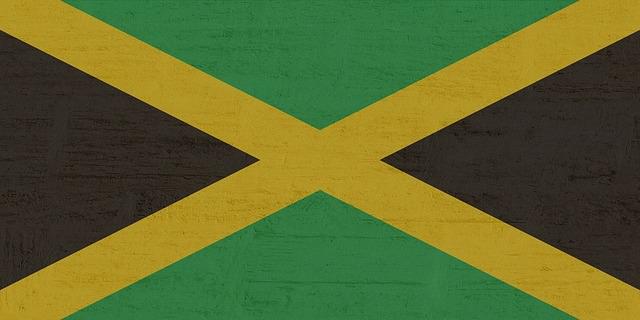
In a recent statement that has drawn considerable attention, Jamaican Foreign Affairs Minister Kamina Johnson Smith has firmly denied allegations suggesting that the United States exerted influence over Jamaica’s decision to terminate its longstanding Cuban medical program. The announcement comes amid rising scrutiny of Jamaica’s foreign relationships and the geopolitical dynamics of the Caribbean region. Johnson Smith emphasized that the decision was made independently, aimed at assessing the effectiveness and sustainability of the program in meeting Jamaica’s healthcare needs. As discussions surrounding international aid and medical collaboration continue to evolve, this development raises important questions about the complexities of diplomatic ties and health policy in Jamaica.
US Non-Interference in Jamaica’s Cuban Medical Programme Decision: Johnson Smith Clarifies
In a recent statement, Foreign Minister Kamina Johnson Smith firmly addressed speculations surrounding the Jamaican government’s decision to terminate its partnership with the Cuban medical programme. She emphasized that the choice was made solely based on Jamaica’s internal assessment of its healthcare needs and did not stem from any external pressures, notably from the United States. Johnson Smith articulated that Jamaica remains committed to a collaborative approach to health care, prioritizing the interests of its citizens as the guiding principle behind policy decisions.
During her remarks, Johnson Smith provided insights into the implications of this decision, highlighting the benefits Jamaica aims to achieve through homegrown initiatives. She outlined key factors motivating the transition, which include:
- Enhanced local training: Investing in training Jamaican healthcare professionals to meet local demands.
- Resource optimization: Allocating funds more efficiently within the Jamaican healthcare system.
- Autonomy in healthcare policy: Strengthening Jamaica’s sovereignty in making decisions that directly affect its citizens’ health.
| Factor | Description |
|---|---|
| Local Training | Focused on developing local talent in healthcare. |
| Resource Allocation | Reassessing how funds are distributed in healthcare. |
| Policy Autonomy | Prioritizing local needs over external influences. |
Factors Influencing Jamaica’s Shift Away from Cuban Healthcare Support
The recent decision by Jamaica to shift away from its reliance on Cuban healthcare support is influenced by several key factors that have been highlighted by officials and analysts. Among these are economic considerations and the desire for increased autonomy in healthcare governance. With budget constraints tightening, Jamaican authorities are focusing on creating sustainable healthcare solutions that do not depend on foreign support. This can potentially strengthen local healthcare systems by investing in homegrown professionals and resources.
Additionally, the evolving geopolitical landscape plays a significant role in this shift. With diverse partnerships emerging internationally, Jamaica is exploring healthcare collaboration opportunities beyond Cuba. This includes considering assistance from nations with innovative health solutions or those willing to invest in local infrastructure and training. Factors such as public perception, political aspirations, and the need to address domestic healthcare challenges directly contribute to the decision to end the long-standing program with Cuba, marking a pivotal moment in Jamaica’s healthcare narrative.
Recommendations for Future Health Collaborations Between Jamaica and the US
Strengthening health collaborations between Jamaica and the United States could be pivotal in addressing both nations’ health challenges. Key recommendations include:
- Enhanced Training Programs: Develop training initiatives for healthcare professionals that focus on specialized medical fields prevalent in both countries.
- Telehealth Expansion: Invest in telehealth technologies to improve access to care, particularly in rural areas of Jamaica.
- Joint Research Initiatives: Foster partnerships between universities and research institutions to explore health disparities and create effective interventions.
- Health Exchange Programs: Establish exchange programs for medical students and professionals, facilitating knowledge transfer and practical experience.
Additionally, it would be beneficial to establish a framework for sustained collaboration through regular health summits that bring stakeholders together. This could include:
| Collaboration Area | Potential Outcomes |
|---|---|
| Maternal and Child Health | Improved health outcomes and reduced mortality rates |
| Chronic Disease Management | Better management strategies and patient education |
| Public Health Campaigns | Increased awareness and healthier lifestyle choices |
Final Thoughts
In conclusion, Minister of Foreign Affairs and Foreign Trade Kamina Johnson Smith’s recent remarks shed light on the complexities surrounding Jamaica’s decision to terminate its Cuban medical programme. By asserting that external influences, particularly from the United States, did not play a role in this change, Johnson Smith emphasizes Jamaica’s sovereignty and commitment to evaluating partnerships based on national interests. As the Caribbean nation navigates its diplomatic relationships and healthcare needs, the implications of this decision will likely resonate throughout the region. The unfolding situation warrants close attention, as it reflects broader dynamics in Caribbean diplomacy and the evolving landscape of international cooperation in healthcare.

