

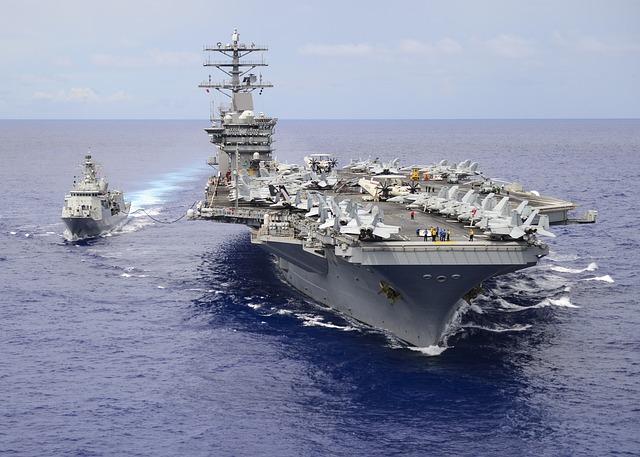
The USS Nimitz in Kingston: Friendly Visit or Message to Havana?
In a notable development in Caribbean geopolitics, the USS Nimitz, one of the United States Navy’s largest aircraft carriers, docked in Kingston, Jamaica, this week, prompting speculation about the intentions behind its visit. While the official narrative suggests a routine goodwill mission aimed at strengthening ties with Caribbean nations, the presence of the Nimitz-representing a formidable display of American military power-could also serve as a calculated signal to nearby Cuba and other regional actors. As diplomatic relations continue to evolve and tensions simmer under the surface, the significance of this port call transcends its seemingly friendly facade, raising questions about the underlying dynamics at play in the region’s complex political landscape. This article explores the implications of the USS Nimitz’s arrival, its potential impact on U.S.-Cuba relations, and the reactions from both local authorities and international observers.
USS Nimitz Docking in Kingston: Diplomatic Gesture or Strategic Posturing
The arrival of the USS Nimitz in Kingston has sparked widespread speculation regarding its implications for regional diplomacy, particularly in relation to Cuba. On one hand, the visit can be interpreted as a friendly gesture, aimed at strengthening ties with Jamaica and showcasing America’s naval presence in the Caribbean. Local officials and citizens alike are keen to emphasize the significance of this maritime visit, viewing it as an opportunity for cultural exchange and cooperation between nations. Community events, including naval tours and public relations activities, are scheduled to foster goodwill and fortify bilateral relations.
Conversely, analysts suggest that the docking of the USS Nimitz may also serve as a strategic message directed at Havana. Given the historical context of tensions between the United States and Cuba, the timing raises questions about military signaling and the U.S. commitment to regional stability. Observers note that such military deployments can carry larger implications, as they may aim to underscore U.S. interests and counteract any growing influence of other nations in the Caribbean. The nuances of this situation highlight a complex web of diplomacy and defense that will likely shape future interactions within the region.
Analyzing the Implications of USS Nimitz’s Visit for U.S.-Cuba Relations
The arrival of the USS Nimitz in Kingston has sent ripples through the geopolitical waters of the Caribbean, particularly concerning U.S.-Cuba relations. Analysts are keenly observing the timing of this visit, as it occurs amidst ongoing discussions about easing historical tensions between the United States and Cuba. While the Nimitz’s presence may be interpreted as a demonstration of military support for allies in the region, it also serves as a subtle reminder to Havana of the United States’ strategic capabilities. The symbolic nature of naval diplomacy cannot be understated, especially given the recent thaw in relations marked by diplomatic engagements and potential collaborations in various sectors.
Key implications of this visit might include:
- Strategic Posturing: The deployment may reaffirm U.S. commitment to its regional partners, while also signaling to Cuba that the United States has multiple avenues for engagement.
- Influence on Regional Dynamics: A strong naval presence can alter the balance of power in the Caribbean, potentially influencing Cuba’s diplomatic calculations.
- Potential Opening for Dialogues: The Nimitz’s visit could be interpreted as an invitation for renewed conversations, possibly fostering inclusive approaches to bilateral issues.
Considering the historical context, this naval visit may also reflect a strategic pivot in U.S. foreign policy objectives. While a friendly gesture towards Caribbean nations, it simultaneously reminds Cuba of the complexities remaining in U.S. relations. There may be merit in viewing this visit as a chance for an informal dialogue, rather than a purely military show of force. Only time will tell whether the USS Nimitz’s anchored presence will translate into tangible progress in the ongoing quest for normalizing relations.
Assessing Regional Security Dynamics: Local Reactions and Future Considerations
As the USS Nimitz docked in Kingston, the nuances of its arrival sparked varied reactions across the Caribbean. While some local leaders welcomed the presence of the aircraft carrier as a symbol of security cooperation and military partnership, others expressed concern over its implications for regional autonomy. Notably, the visit has ignited debates regarding the US’s enduring influence in Caribbean politics, particularly in relation to Cuba. Local residents shared a mix of sentiments, including:
- Support for increased military engagement as a deterrent against external threats.
- Apprehension about sovereignty and perceptions of American imperialism.
- Calls for transparency about the nature of military operations in the region.
Looking ahead, the regional security landscape may shift as nations weigh the benefits of stronger ties with American military forces against the potential fallout from heightened tensions with Cuba. Observers argue that the impact of such military visits extends beyond immediate security concerns, influencing diplomatic negotiations and trade agreements as well. Future considerations could include:
- Strengthening regional alliances with allied nations as a counterbalance.
- Increasing dialogue with Cuban officials to prevent miscalculations.
- Exploring alternative security arrangements that integrate local responses to threats.
| Reactions | Impact |
|---|---|
| Local Support | Enhanced military collaboration |
| Sovereignty Concerns | Potential strain in US-Caribbean relations |
| Desire for Transparency | Demand for clearer military agendas |
Insights and Conclusions
In conclusion, the recent docking of the USS Nimitz in Kingston has sparked a myriad of interpretations and discussions among diplomats, military analysts, and Caribbean residents alike. While some view the naval visit as a benign gesture of goodwill aimed at strengthening regional ties, others speculate on the underlying geopolitical implications, particularly in relation to Cuba. As tensions fluctuate in the Caribbean amid evolving U.S. foreign policy, the USS Nimitz’s presence serves as a compelling reminder of the complexities inherent in international relations. Local authorities and citizens will undoubtedly be watching closely for any ramifications that may follow this notable visit, as both its friendly overtures and its potential signals resonate through the Caribbean landscape. As this story develops, Caribbean360 will continue to provide updates and insights into how these events may reshape the dynamics of the region.

