

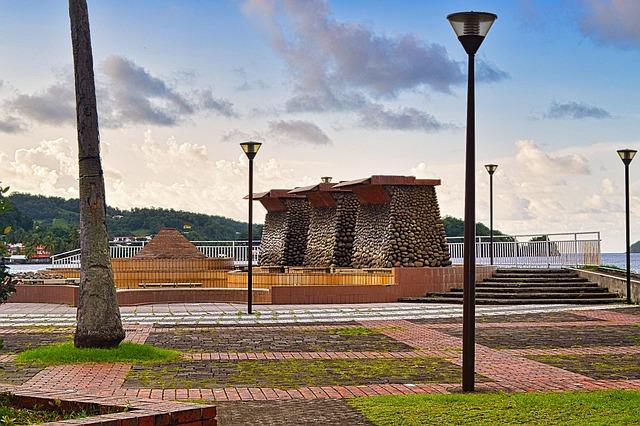
Martinique: A Comprehensive Overview from the World Population Review
In the heart of the Caribbean lies Martinique, a vibrant island renowned for its beautiful landscapes, rich culture, and complex history. As part of the French overseas regions, Martinique is more than just a tropical paradise; it serves as a unique bridge between European influence and Caribbean heritage. The latest insights from the World Population Review shed light on the island’s demographic trends, economic landscape, and social dynamics. This article delves into the current statistics and projections regarding Martinique’s population, exploring the factors that shape its identity and future. From migration patterns and birth rates to cultural diversity and economic challenges, we aim to provide a thorough overview of a region that continues to capture the fascination of people around the globe.
Understanding Martinique’s Demographics and Economic Landscape
Martinique, a Caribbean island with a rich cultural heritage, exhibits a diverse demographic profile. As of the latest data, the population is estimated to be around 376,000, reflecting a blend of ethnic backgrounds, primarily comprising Black and mixed-race individuals. Several other groups, including those with French, Indian, and Indigenous ancestry, contribute to the island’s unique identity. Key demographic characteristics include:
- Age Distribution: A median age of approximately 42 years.
- Urbanization: Around 90% of the population resides in urban areas, mainly in the capital, Fort-de-France.
- Language: French is the official language spoken, with Antillean Creole widely used in daily interactions.
The economic landscape of Martinique is characterized by its dependence on tourism, agriculture, and the services sector. The tourism industry is a significant pillar, drawing visitors to its stunning beaches and cultural festivals. While the economy benefits from European Union subsidies, it also faces challenges such as high unemployment rates, particularly among youth. Key economic indicators include:
| Indicator | Value |
|---|---|
| GDP Growth Rate | 1.4% |
| Unemployment Rate | 18.6% |
| Tourism Contribution to GDP | 21% |
Exploring the Cultural Diversity and Heritage of Martinique
Martinique stands as a vibrant confluence of cultures, where the legacies of its African, European, and Indigenous roots intertwine to create a distinct identity. This French overseas department showcases its diversity not only through its people but also through its rich traditions and practices. Visitors can experience an array of cultural expressions, such as:
- Music and Dance: From the infectious beats of zouk to the soulful rhythms of bèlè, the island’s musical landscape reflects its diverse heritage.
- Cuisine: The local gastronomy marries Creole flavors with French culinary techniques, offering dishes like accras, colombo, and a variety of fresh seafood.
- Festivals: Events like Carnival and la Fête de la Saint-Jean embody the vibrant spirit of the island, celebrating history and culture through parades, dances, and music.
The preservation of cultural heritage is evident in the various museums and historical sites scattered across the island. Notable landmarks include the Musée de la Pagerie, the birthplace of Empress Joséphine, and the Habitation Clément, a rum distillery that reflects the island’s colonial past. To better understand the cultural tapestry, consider the following table showcasing the island’s demographic composition:
| Ethnic Group | Percentage |
|---|---|
| African descent | 84% |
| European descent | 10% |
| Indigenous | 4% |
| Other | 2% |
This diverse demographic landscape enriches Martinique’s cultural narrative, making it a fascinating destination for those eager to delve into the complexities of its heritage.
Strategies for Sustainable Development and Population Growth in Martinique
As Martinique navigates the complexities of sustainable development amid population growth, innovative strategies are essential to ensure a balanced approach to environmental preservation and economic expansion. Key initiatives include enhancing renewable energy sources, promoting eco-friendly tourism, and investing in urban sustainability projects. By prioritizing these areas, Martinique can reduce its carbon footprint while simultaneously boosting local job creation. Furthermore, implementing targeted educational programs focused on environmental stewardship can empower residents and foster a culture of sustainability.
Collaboration is crucial in addressing the island’s unique challenges. Stakeholders must come together to explore agricultural resilience strategies that emphasize organic farming techniques and agroecology. This not only supports food security but also aids in maintaining the island’s biodiversity. Additionally, the establishment of community-led initiatives that encourage participatory governance can enhance local engagement in decision-making processes. Below is a table illustrating some potential sustainable initiatives along with their expected outcomes:
| Initiative | Expected Outcome |
|---|---|
| Expand Solar Panel Deployment | Reduce energy costs and reliance on fossil fuels |
| Support Local Farmers’ Markets | Enhance food security and local economy |
| Invest in Waste Management Solutions | Minimize landfill waste and promote recycling |
| Encourage Digital Literacy Programs | Improve access to information and economic opportunities |
Closing Remarks
In conclusion, the insights provided by the World Population Review on Martinique paint a comprehensive picture of this Caribbean island’s demographic landscape. With its unique blend of cultural heritage, economic challenges, and shifting population dynamics, Martinique stands as a microcosm of the broader complexities facing many regions today. As the island continues to navigate issues such as migration, aging populations, and economic development, understanding these demographic trends will be crucial for policymakers and residents alike. Monitoring the changes in Martinique’s population will not only shed light on the island’s future but also contribute to a deeper understanding of demographic challenges and opportunities in the Caribbean region as a whole. As we move forward, continued engagement with these statistics will be essential in shaping a path toward a sustainable and prosperous future for Martinique.

