

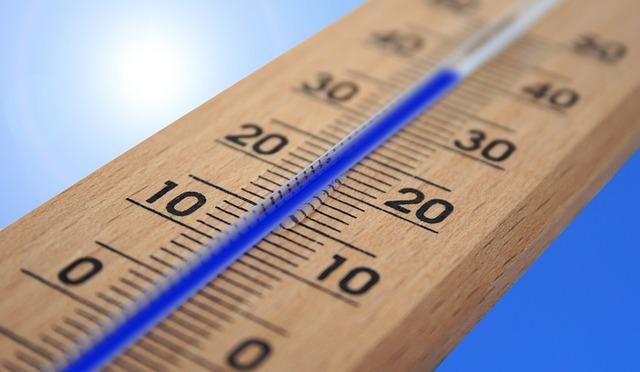
Extreme weather events have become an alarming norm across Latin America and the Caribbean, posing critical threats to the lives and livelihoods of millions. According to recent reports from UN News, escalating average temperatures, catastrophic floods, and severe droughts are not just environmental issues; they are urgent humanitarian crises that demand immediate attention. Governments and communities are grappling with the devastating consequences of these climate extremes, which disproportionately impact vulnerable populations, disrupt agricultural production, and strain already limited resources. As the region faces an increasing frequency of these climate-related disasters, the call for comprehensive action and coordinated international response has never been more pressing. This article examines the current state of climate vulnerability in Latin America and the Caribbean and the ongoing efforts to mitigate the consequences of extreme weather on its people.
Impact of Climate Change on Vulnerable Communities in Latin America and the Caribbean
The escalating effects of climate change are manifesting in increasingly severe weather events that disproportionately affect vulnerable communities throughout the region. Many populations in Latin America and the Caribbean face significant challenges as they contend with extreme weather conditions, such as intense heat waves, heavy flooding, and recurring droughts. These phenomena not only threaten lives but also exacerbate existing socio-economic disparities, leaving many households struggling to cope with the repercussions. The impacts are particularly pronounced in areas reliant on agriculture, where crop yields are compromised, leading to food insecurity and heightened risk of malnutrition among the most affected groups.
Additionally, the capacity of these communities to adapt is often hindered by limited resources and lack of infrastructure. High levels of poverty, inadequate access to healthcare, and insufficient disaster preparedness contribute to their vulnerability. As governments and organizations attempt to respond to these crises, collaboration and sustained investment in climate resilience are of utmost importance. This includes not only providing immediate relief but also fostering long-term strategies that empower these populations and enhance their adaptive capacities. Below is a table outlining some of the key challenges faced by these communities:
| Challenge | Description |
|---|---|
| Food Insecurity | Declining agricultural productivity due to extreme weather. |
| Poor Health Outcomes | Increased incidence of heat-related illnesses and malnutrition. |
| Weak Infrastructure | Lack of proper shelters and drainage systems exacerbating flood risks. |
| Limited Access to Resources | Insufficient financial and educational resources to implement effective adaptations. |
Urgent Actions Needed to Address Rising Risks of Extreme Weather Events
As the frequency and intensity of extreme weather events rise across Latin America and the Caribbean, immediate actions are paramount to mitigate the escalating threats to public safety and infrastructure. According to the latest reports from the UN, communities are grappling with the devastating impacts of severe heatwaves, torrential floods, and protracted droughts. These environmental crises not only jeopardize personal health and safety but also threaten food security and economic stability. To combat these challenges effectively, it is essential for governments and organizations to implement a multifaceted approach that includes:
- Strengthening climate resilience: Investing in infrastructural enhancements to withstand extreme weather.
- Emergency preparedness: Developing robust disaster response plans that prioritize vulnerable populations.
- Community engagement: Educating residents about climate adaptation strategies and resource management.
- Policy reforms: Advocating for sustainable agricultural practices and effective water resource management.
The forthcoming initiatives should prioritize collaboration among national governments, local authorities, and international agencies. A coordinated response will be critical in fostering an environment where communities can thrive amidst these challenges. Below is a table summarizing proposed actions and their expected impacts:
| Action | Expected Impact |
|---|---|
| Invest in Green Infrastructure | Reduced urban heat and improved water management |
| Enhance Weather Forecasting | Improved preparedness and risk assessment |
| Implement Water Conservation Programs | Increased resilience against drought |
| Boost Emergency Funding | Rapid response and recovery efforts after disasters |
Sustainable Solutions and Adaptation Strategies for a Resilient Future
In response to the escalating threats posed by extreme heat, floods, and droughts across Latin America and the Caribbean, countries in the region are rapidly adopting a variety of innovative solutions aimed at fostering resilience. Among these strategies, sustainable agriculture practices are being prioritized to ensure food security while minimizing environmental impact. Farmers are increasingly turning to techniques such as agroforestry, crop rotation, and organic farming, which not only enhance soil health but also improve water retention and reduce dependency on chemical inputs. Additionally, urban planning is seeing a shift towards green infrastructure, incorporating features like permeable pavements and green roofs that effectively manage stormwater and reduce urban heat islands.
Furthermore, governments and communities are implementing early warning systems that utilize satellite technology and climate forecasting to foresee and mitigate the impacts of climate-related disasters. Educational programs focused on climate resilience are empowering local populations to adapt through community-led initiatives, fostering awareness of water conservation strategies and disaster preparedness. Collaborative efforts across nations, such as sharing best practices and technological advancements, are essential in building a united front against climate adversity. To illustrate the potential of these initiatives, consider the following table of selected countries in the region and their key adaptation strategies:
| Country | Adaptation Strategy | Key Benefit |
|---|---|---|
| Brazil | Agroecological practices | Increased biodiversity and improved soil health |
| Mexico | Water conservation education | Enhanced water availability during droughts |
| Colombia | Integrated urban planning | Reduced flooding and better air quality |
| Dominican Republic | Community resilience programs | Empowered local responses to climate events |
Key Takeaways
In conclusion, the alarming impacts of extreme heat, floods, and drought across Latin America and the Caribbean demand urgent attention and action. The UN’s findings highlight a stark reality: the region is facing an escalating climate crisis that threatens not only ecosystems but also the health and livelihoods of millions. As communities grapple with these increasing challenges, it is imperative for governments, organizations, and individuals to come together to develop and implement effective strategies for resilience and adaptation. The time for decisive action is now, as the effects of climate change continue to intensify. Failure to address these pressing issues may leave a lasting mark on the region, exacerbating inequalities and undermining progress towards sustainable development. The global community must rally in support to ensure a safer, more equitable future for all in Latin America and the Caribbean.

