

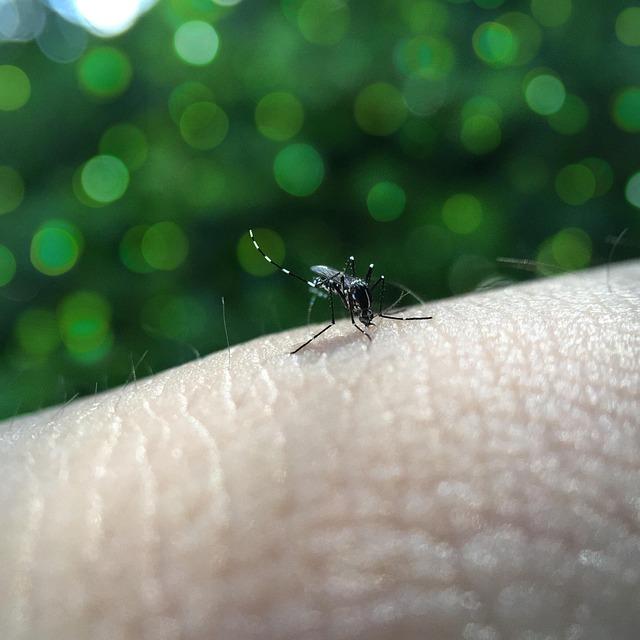
Health Alert: Dengue in Nicaragua – January 7, 2026
The U.S. Embassy in Nicaragua has issued a critical health alert concerning the rising cases of dengue fever across the country. As of January 7, 2026, health officials are reporting a significant uptick in infections, prompting concerns among residents and travelers alike. Dengue, a mosquito-borne viral illness, presents symptoms ranging from mild fever to severe illness and can pose serious health risks, particularly in vulnerable populations. As Nicaragua grapples with this public health challenge, the embassy is urging U.S. citizens to remain vigilant and take necessary precautions to protect themselves against mosquito bites. This article will explore the current situation, preventative measures, and the broader implications of the outbreak on public health in Nicaragua.
Health Risks and Transmission Dynamics of Dengue in Nicaragua
The current outbreak of dengue fever in Nicaragua poses significant health risks, particularly in urban areas where the Aedes aegypti mosquito thrives. Health authorities have reported an alarming increase in both the number of infections and hospitalizations, highlighting the need for immediate public health interventions. Key risk factors associated with dengue transmission include:
- High population density in urban settings
- Seasonal rainfall, which creates breeding sites for mosquitoes
- Lack of effective waste management, contributing to stagnant water accumulation
Understanding the transmission dynamics of dengue is critical for mitigating its spread. The virus is primarily transmitted through the bite of infected female mosquitoes, and the typical transmission cycle includes:
| Stage | Description |
|---|---|
| 1. Infection | A mosquito bites a human, transferring the dengue virus. |
| 2. Incubation | The virus incubates in the human for 4 to 10 days. |
| 3. Symptoms | Symptoms appear, including high fever, severe headache, and joint pain. |
| 4. Mosquito Re-infection | Another mosquito bites the infected human, enabling further transmission. |
Preventative Measures for Travelers: Safeguarding Against Dengue Fever
Dengue fever remains a significant health concern in Nicaragua, particularly during the rainy season when mosquitoes thrive. To minimize the risk of infection, travelers should adopt several essential preventative measures. Using insect repellent containing DEET or picaridin is crucial, especially during peak mosquito activity hours, which tend to be early morning and late afternoon. Additionally, wearing long-sleeved clothing and long pants can provide a physical barrier against bites. When possible, choose accommodations that offer air conditioning or screens on windows and doors to further reduce exposure to these disease-carrying pests.
In addition to personal protective measures, maintaining a mosquito-free environment is key to safety. Travelers should take care to eliminate any standing water around their lodging, as this is where mosquitoes breed. Consider employing mosquito nets while sleeping and utilizing fogging solutions if necessary. The following table summarizes effective practices for travelers to safeguard against dengue fever:
| Preventative Measure | Description |
|---|---|
| Insect Repellent | Apply repellent with DEET or picaridin on exposed skin. |
| Protective Clothing | Wear long-sleeved shirts and long pants to cover skin. |
| Accommodations | Stay in places with air conditioning or window screens. |
| Standing Water | Eliminate any locations where water can gather. |
| Mosquito Nets | Use nets for additional protection during sleep. |
Local Health Responses and Community Engagement in Combatting the Outbreak
In response to the ongoing dengue outbreak, local health authorities have mobilized a coordinated effort to combat the virus and protect communities. With the support of international health organizations, initiatives such as regular community clean-up campaigns and educational workshops have been established. These programs focus on eliminating mosquito breeding sites and promoting preventative measures within households. Notable actions include:
- Door-to-Door Awareness Campaigns: Health workers are visiting homes to educate residents about dengue symptoms and prevention.
- Community Clean-Up Days: Weekly events are organized to collect trash and clear stagnant water, vital in reducing mosquito habitats.
- School Engagement: Educational sessions in schools aim to teach children about dengue and encourage them to share knowledge at home.
Engagement from local community leaders has been instrumental in increasing participation in these initiatives. Churches, NGOs, and local businesses are rallying support and resources to ensure a united front against dengue. Collaboration among these organizations includes distributing flyers, hosting seminars, and organizing volunteer groups to assist vulnerable populations. A community health response table illustrates the current engagement efforts across different sectors:
| Organization | Type of Contribution | Impact Area |
|---|---|---|
| Local Health Departments | Medical Supplies | Hospitals and Clinics |
| Non-Governmental Organizations | Community Workshops | Public Awareness |
| Schools | Education Programs | Children and Families |
To Conclude
In conclusion, the rise of dengue cases in Nicaragua presents a significant public health challenge that necessitates vigilance and proactive measures from both local authorities and residents. As the U.S. Embassy underscores the importance of awareness and prevention to curb the spread of this potentially severe disease, it is imperative that individuals take personal precautions and stay informed. The ongoing updates and guidelines provided by health authorities should be heeded as the situation evolves. By staying informed and taking appropriate action, communities can work together to mitigate the impact of dengue and protect public health. As we continue to monitor the situation, we urge everyone to prioritize their health and safety in the face of this ongoing health alert.

