

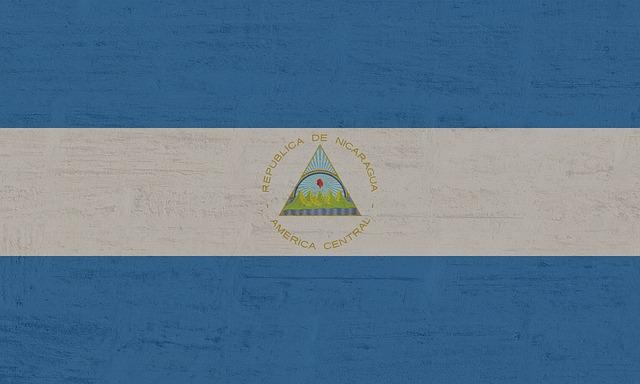
Promoting Accountability for Nicaraguan Officials: A New Initiative from the U.S. Embassy
In a robust push for democratic integrity and human rights, the U.S. Embassy in Nicaragua has unveiled a new initiative aimed at promoting accountability among Nicaraguan officials. As the nation grapples with persistent allegations of corruption and authoritarianism, this campaign signals a renewed commitment from the United States to engage with both the Nicaraguan government and its citizens in fostering transparency and accountability. The Embassy’s efforts come in the wake of increasing international scrutiny over the conduct of Nicaraguan officials, and they are set against a backdrop of political turmoil and widespread unrest. This initiative not only seeks to address immediate concerns of governance and ethics but also aims to strengthen democratic institutions that have been eroded in recent years. As the situation in Nicaragua continues to evolve, the implications of this initiative could reverberate through Central America, shaping the future of democracy in the region.
U.S. Efforts to Foster Transparency and Accountability Among Nicaraguan Officials
The U.S. government is committed to fostering transparency and accountability among Nicaraguan officials, recognizing that such measures are essential for the country’s democratic health. Recent initiatives include the implementation of anti-corruption training programs and the establishment of a comprehensive monitoring system for public resources. By collaborating with local civil society organizations, the U.S. aims to enhance public engagement and bolster local institutions in their fight against corruption. Notable actions taken include:
- Providing technical assistance to strengthen auditing practices within government agencies.
- Supporting the development of whistleblower protection laws to encourage reporting of unethical behavior.
- Facilitating workshops focused on ethical governance and public service integrity.
In addition to these efforts, the U.S. has also employed targeted sanctions against individuals implicated in corruption and human rights abuses, underscoring the commitment to accountability. The impact of these sanctions can be summarized in the table below, showcasing key actions and their outcomes:
| Action | Outcome |
|---|---|
| Targeted sanctions against corrupt officials | Increased pressure on regimes to reform |
| Collaboration with international watchdogs | Enhanced scrutiny of public spending |
| Promotion of civil society initiatives | Stronger public demand for accountability |
Impacts of Corruption on Governance and Human Rights in Nicaragua
The pervasive challenge of corruption in Nicaragua has fundamentally undermined governance, creating an environment where transparency and accountability are often absent. Corrupt practices lead to the misallocation of public resources, funneling funds meant for essential services like education, healthcare, and infrastructure into private coffers. This not only exacerbates socio-economic inequalities but also erodes public trust in institutions, leaving citizens disillusioned and increasingly disengaged from the democratic process. Consequently, vital governance structures are weakened, as the influence of corrupt officials permeates decision-making, thus prioritizing personal gain over public interest.
The implications for human rights are equally alarming, as corruption can lead to systemic violations, including the suppression of dissent, restricting freedom of expression, and targeting activists. Law enforcement and judicial systems, often co-opted by corrupt individuals, may fail to protect citizens, allowing a culture of impunity to flourish. In this context, marginalized groups-such as journalists, opposition members, and human rights defenders-face heightened risks. The following table illustrates some of the key human rights challenges linked to corruption in Nicaragua:
| Human Rights Challenge | Description |
|---|---|
| Suppression of Dissent | Harassment and intimidation of protesters and opposition leaders. |
| Rigged Judicial Processes | Manipulation of legal frameworks to silence critics. |
| Limited Press Freedoms | Censorship and threats against journalists reporting on corruption. |
| Discrimination | Marginalization of ethnic and socio-economic minorities in policy-making. |
Strategic Recommendations for Enhancing Oversight and Legal Reforms in Nicaragua
To strengthen oversight and ensure greater accountability among Nicaraguan officials, a multifaceted approach is essential. This includes enhancing the legislative framework to support transparency and accountability mechanisms. Key actions may involve:
- Establishing independent oversight bodies empowered to investigate corruption allegations without political interference.
- Implementing stricter regulations regarding campaign financing and public procurement processes to prevent misuse of state resources.
- Promoting whistleblower protections to encourage individuals to come forward with information while safeguarding their rights.
In addition to legislative reforms, fostering international cooperation can play a pivotal role in increasing accountability. Engaging with international organizations to provide technical assistance and capacity building can help address gaps in Nicaragua’s legal system. Proposed enhancements include:
- Creating partnerships with NGOs focused on governance and anti-corruption efforts to leverage external expertise.
- Encouraging bilateral agreements to facilitate the exchange of best practices and resources in corruption prevention.
- Establishing a mechanism for regular assessments of progress towards transparency and accountability, allowing for adaptive strategies.
Final Thoughts
As the U.S. Embassy in Nicaragua continues to advocate for transparency and accountability among Nicaraguan officials, the implications of these efforts resonate not only within the country but also throughout the region. The push for a more accountable governance structure highlights the importance of international collaboration in addressing corruption and promoting democratic values. Stakeholders, ranging from local civil society organizations to global human rights advocates, remain vigilant in their pursuit of justice and reform. While challenges abound, the commitment demonstrated by the U.S. Embassy serves as a crucial reminder of the role that diplomatic engagement plays in fostering positive change. As Nicaragua navigates its complex political landscape, the call for accountability will remain a central theme in the pursuit of a more equitable future for all Nicaraguans.

