
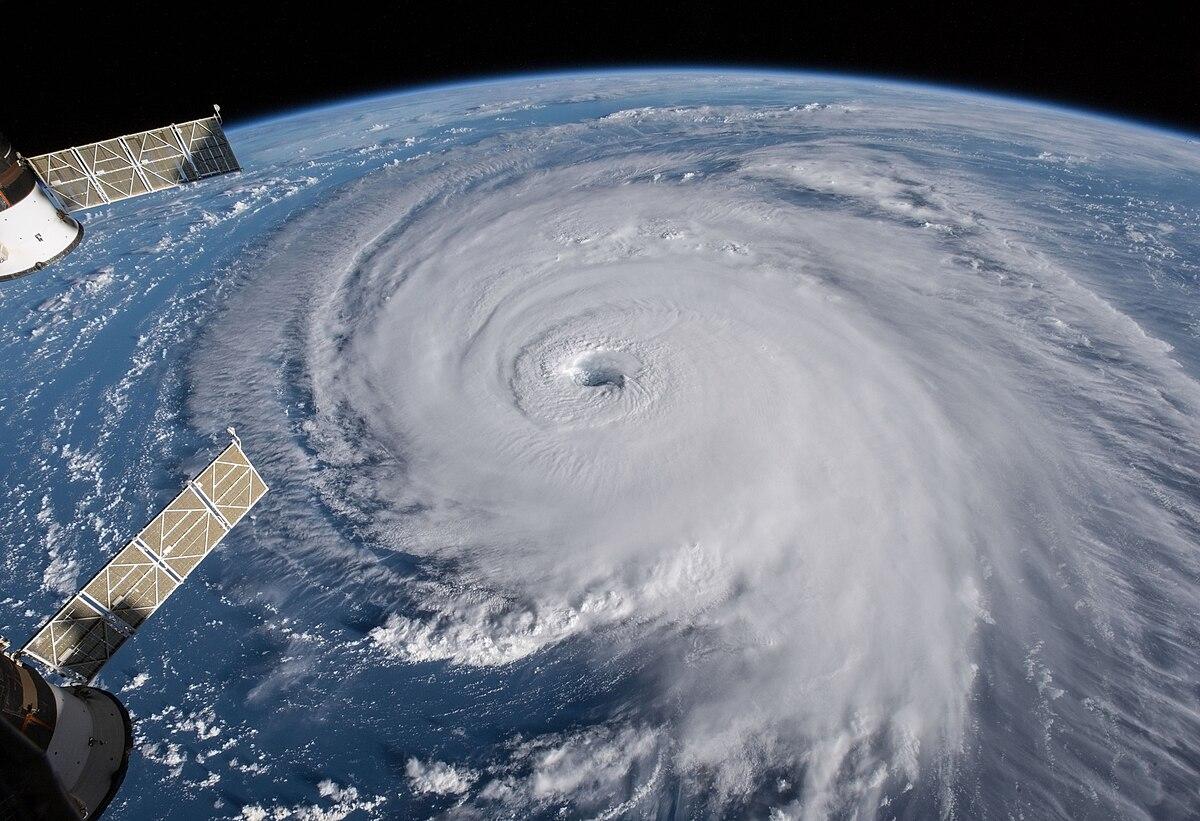
Tropical Storm Sara Claims Lives in Honduras and Nicaragua
Tropical Storm Sara has unleashed its fury across Central America, resulting in the tragic loss of four lives in Honduras and Nicaragua. The storm, which formed over the Caribbean Sea, has brought heavy rainfall, strong winds, and widespread devastation to communities already struggling with the impacts of previous natural disasters. Authorities in both countries are grappling with the aftermath as rescue operations begin and the extent of damage becomes clearer. With concerns about flooding and landslides growing, local governments and international agencies are mobilizing resources to assist affected populations in the wake of this latest meteorological threat.
Tropical Storm Sara: A Deadly Impact on Central America’s Resilience
The recent passage of Tropical Storm Sara has further strained the fragile infrastructure of Central America, particularly affecting Honduras and Nicaragua. The storm has resulted in at least four confirmed fatalities, alongside widespread destruction to homes, roads, and essential services. Emergency services have been working tirelessly to account for missing persons and to assist those displaced by the storm’s relentless rains and winds. The challenges of providing immediate relief are compounded by the existing vulnerabilities these countries face, including poverty, limited resources, and a history of natural disasters that leave communities ill-prepared for such emergencies.
In the wake of this catastrophe, several regions have reported nearly 70% damage to agricultural land, raising concerns over food security in a region heavily reliant on subsistence farming. The storm has not only disrupted local economies but has also highlighted the urgent need for international aid and investment in disaster preparedness initiatives. Communities are calling for greater support from the global community to build resilience against future climate-related events. As recovery begins, the impact of the storm serves as a stark reminder of the ongoing challenges faced by Central America in combating the effects of climate change and ecological degradation.
| Impact Areas | Details |
|---|---|
| Casualties | 4 confirmed deaths |
| Affected Housing | Thousands of homes damaged |
| Agricultural Damage | 70% of crops reported damaged |
| Displacement | Thousands left homeless |
Emergency Response Efforts Intensify as Communities Face Destruction
In the wake of Tropical Storm Sara, which has tragically claimed the lives of four individuals across Honduras and Nicaragua, emergency services are working tirelessly to provide relief to affected communities. Rescuers face hazardous conditions as they navigate through flooded roads and landslide-prone areas, striving to reach those trapped by the storm’s aftermath. Local government officials are coordinating with national agencies and international organizations to deploy necessary resources, including:
- Search and rescue teams to locate missing persons.
- Medical assistance for those injured or in need of urgent care.
- Food and water supplies to displace families.
- Tents and shelters for those rendered homeless.
As the storm continues to unleash heavy rains and strong winds, many communities are witnessing unprecedented levels of damage. In response, various NGOs have mobilized to assist with recovery efforts. The situation remains dire, with infrastructures such as bridges and roads severely compromised. Reports indicate that as many as 5,000 individuals may require immediate aid in the hardest-hit areas. A real-time assessment table has been set up to monitor emergency needs:
| Location | Affected Population | Immediate Needs |
|---|---|---|
| Tegucigalpa | 1,200 | Food, Water |
| Leon | 1,500 | Medical Care, Shelter |
| Comayagua | 800 | Clothing, Food |
Long-term Strategies Needed to Mitigate Future Storm Effects in the Region
The recent devastation caused by Tropical Storm Sara highlights the urgent need for comprehensive long-term strategies aimed at reducing the impact of future storms in Central America. To effectively prepare for and mitigate the effects of extreme weather events, stakeholders must focus on a multifaceted approach that includes:
- Infrastructure Improvement: Investing in resilient infrastructure, such as flood-resistant buildings and stronger roadways, is crucial for minimizing damage during storms.
- Community Education: Empowering local populations through education on disaster preparedness and response can significantly improve survival rates and reduce panic during emergencies.
- Early Warning Systems: Enhancing meteorological systems and communication channels allows for timely alerts to residents, enabling them to take necessary precautions.
- Environmental Restoration: Preserving coastal ecosystems, such as mangroves and coral reefs, can naturally buffer against storm surges and flooding.
In addition, collaborative efforts between governments, NGOs, and local communities are essential to create a united front against the challenges posed by climate change. Potential strategies include:
- Policy Development: Creating policies that incorporate climate change projections into urban planning can lead to smarter, more sustainable growth.
- Funding Initiatives: Allocating financial resources toward disaster resilience programs can ensure ongoing development and maintenance of necessary infrastructure.
- Research and Innovation: Promoting research on climate adaptation technologies can empower communities to leverage modern solutions to age-old problems.
| Strategy | Impact |
|---|---|
| Infrastructure Improvement | Reduces physical damage and enhances safety |
| Community Education | Increases awareness and reduces panic |
| Early Warning Systems | Enables timely responses to emerging threats |
The Conclusion
In the wake of Tropical Storm Sara, which has tragically claimed the lives of four individuals across Honduras and Nicaragua, communities are grappling with the aftermath of this devastating weather event. The storm, characterized by heavy rainfall and strong winds, has exacerbated existing vulnerabilities in the region, leading to widespread flooding and damage to infrastructure. Emergency services are currently mobilizing to provide aid and assess the full extent of the destruction. As families mourn their losses and begin the recovery process, the resilience of these communities will be tested in the days ahead. Authorities are urging residents to remain vigilant as they monitor for further weather developments, emphasizing the importance of preparedness in the face of such natural disasters. In the coming weeks, support from governmental and humanitarian organizations will be crucial in helping those affected rebuild their lives and restore hope amid the challenges ahead.











