

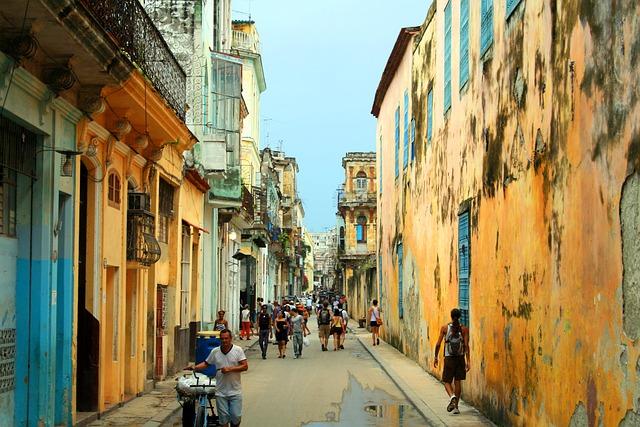
Decades of Meddling in Cuba and Nicaragua: A Deep Dive into US Foreign Policy
For over half a century, U.S. foreign policy has cast a long shadow over the Caribbean and Central America, particularly in Cuba and Nicaragua. The strategies employed have ranged from covert operations to outright intervention, aimed at reshaping the political landscape of countries that stand at the crossroads of American interests and regional stability. This article explores the intricate web of events that have defined U.S.-Cuba and U.S.-Nicaragua relations, delving into the consequences of decades of meddling on both nations and the broader implications for the geopolitical landscape. As Washington faces a new wave of challenges in its foreign policy approach, understanding the historical context of its involvement in these two nations is crucial for navigating the future of international relations in the region.
Unraveling the Legacy of Intervention: A Historical Perspective on Cuba and Nicaragua
The intricate history of foreign intervention in Cuba and Nicaragua reveals a complex tapestry of political ambitions, ideological battles, and economic interests. Cuba, often a focal point of U.S. foreign policy after the Cuban Revolution in 1959, has weathered a series of interventions aimed at destabilizing its socialist government. Initially viewed through the lens of Cold War dynamics, the U.S. imposed a comprehensive trade embargo and facilitated the Bay of Pigs Invasion, attempts that only deepened Cuban resolve and national identity. Over the decades, media narratives and military engagements painted a picture of a nation in crisis, yet beneath this facade lay a society resiliently navigating economic challenges while forging alliances with other Latin American nations and global powers.
Meanwhile, Nicaragua’s history has been equally marred by external influence and intervention, particularly during the 1980s when the Reagan administration escalated support for the Contra rebels against the Sandinista government. This period saw significant human rights abuses, as documented in reports from various organizations. The U.S. justified its actions under the guise of combating communism, providing military aid that led to a protracted conflict with deep societal repercussions. Today, both nations reflect the lasting impact of these interventions, with Cuba continuing its quest for sovereignty amid sanctions, and Nicaragua wrestling with the legacy of violence and external control that shaped its political landscape.
Strategic Reassessment: Shifting U.S. Policies for Sustainable Engagement
As the U.S. foreign policy landscape continues to evolve, the undeniable impacts of historical interventions in Cuba and Nicaragua have prompted a critical reassessment of strategies aimed at sustainable engagement. The decades of economic restrictions and political meddling have often yielded unintended consequences, allowing authoritarian regimes to consolidate power while undermining opportunities for constructive dialogue. Analysts argue that a fresh approach, centered on respecting sovereignty and prioritizing diplomacy, is essential for fostering stability in the region.
Among the key elements of a reformed strategy are:
- Inclusive Dialogues: Encouraging open discussions that involve a diverse range of political and social groups within these nations.
- Investment in Civil Society: Supporting grassroots movements and NGOs that promote democracy and human rights without direct intervention.
- Economic Collaborations: Exploring trade agreements that benefit local economies while addressing concerns about human rights practices.
Such strategies also call for a genuine commitment to addressing issues like migration, where U.S. policies often intersect with the realities faced by individuals fleeing oppressive conditions. By shifting away from a punitive framework, the U.S. can pave the way for more effective, sustainable engagements that prioritize the well-being of the people of Cuba and Nicaragua.
Pathways to Peace: Recommendations for Resolving Conflicts in Latin America
As tumultuous changes sweep across Latin America, the need for comprehensive strategies to stem conflict becomes increasingly urgent. Historical interventions in countries like Cuba and Nicaragua have often resulted in prolonged turmoil rather than stability. Moving forward, a multifaceted approach could be instrumental in fostering peace and reconciliation. Key recommendations include:
- Promoting Dialogue: Engaging all stakeholders, including marginalized communities, in inclusive dialogues to address grievances.
- Supporting Local Governance: Empowering regional governments to enhance local governance structures, ensuring accountability and transparency.
- Encouraging Economic Development: Boosting economic initiatives that provide job opportunities and reduce inequality, which can alleviate underlying tensions.
- Strengthening Civil Society: Collaborating with NGOs and grassroots organizations to create a robust network that advocates for human rights and social justice.
The promotion of international cooperation focused on fostering stability and encouraging diplomatic solutions is essential. Additionally, the international community can play a significant role by providing objective mediation in conflicts while respecting the sovereignty of nations. The following table summarizes potential avenues for peacebuilding efforts:
| Strategy | Target Area | Expected Outcome |
|---|---|---|
| Dialogues and Negotiations | Political Conflicts | Enhanced Understanding |
| Economic Investment | Socioeconomic Divide | Job Creation |
| Community Engagement | Social Cohesion | Stronger Relationships |
| International Observation | Election Integrity | Increased Trust |
Insights and Conclusions
In conclusion, the long-standing interference by foreign powers in Cuba and Nicaragua has had profound and lasting impacts on the political landscapes and socio-economic conditions of both nations. As we reflect on the tumultuous history of international involvement, it becomes increasingly clear that the consequences of such actions reach far beyond immediate geopolitical goals. The struggles for sovereignty, self-determination, and human rights continue to dominate the narratives of these countries, as they navigate the complex legacies left by years of external meddling. Moving forward, understanding these dynamics is crucial for shaping effective foreign policies that prioritize mutual respect and cooperation, rather than domination and control. The futures of Cuba and Nicaragua depend not only on their internal resilience but also on the international community’s commitment to supporting their paths to genuine autonomy and prosperity. As we watch these developments unfold, the lessons learned from the past must guide efforts to foster a more equitable and just approach to foreign relations in the region.

