

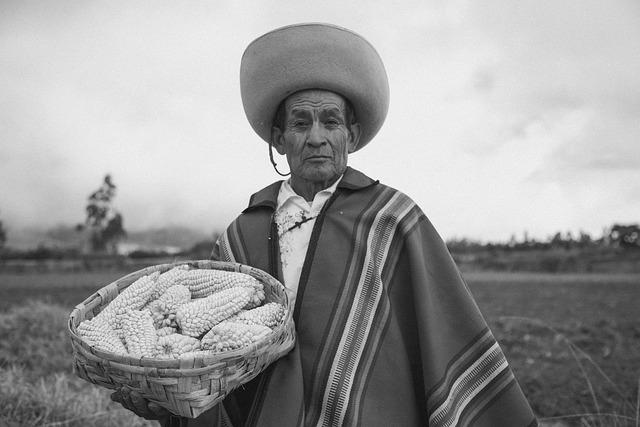
Brooklyn Rivera, a prominent Indigenous leader and fierce advocate for the rights of Nicaragua’s Indigenous communities, has died after nearly three years of detention. Rivera, who was arrested in 2020 amid widespread governmental crackdowns on dissent, succumbed to health complications while incarcerated, sparking outrage and calls for justice from human rights organizations and Indigenous groups. His passing marks a significant loss for the fight for Indigenous rights and raises further alarm over the treatment of political prisoners in Nicaragua, as international observers continue to condemn the country’s ongoing repression of dissenting voices. As the world reflects on Rivera’s legacy, attention turns to the implications of his death for Nicaragua’s Indigenous movements and the broader struggle for democracy in the region.
Brooklyn Rivera’s Legacy and the Impact of Indigenous Leadership in Nicaragua
The passing of Brooklyn Rivera marks a profound loss not only for the Indigenous communities of Nicaragua but also for the broader struggle for rights and representation throughout Central America. As a prominent leader of the Miskito people, Rivera dedicated his life to advocating for the autonomy and preservation of Indigenous cultures. His commitment to environmental justice, land rights, and community empowerment was evident at every rally and meeting, galvanizing supporters and drawing international attention to the injustices faced by Indigenous populations. His leadership served as a reminder of the challenges still prevalent in advocating for marginalized communities, emphasizing the urgent need for continued activism and advocacy.
Brooklyn Rivera’s legacy is intertwined with the broader movement for Indigenous leadership in the region, which has been pivotal in shaping policies that affect their communities. Achievements under his leadership included:
- Strengthening Autonomous Regions: Pushing for greater self-governance for Indigenous territories.
- Environmental Advocacy: Leading initiatives aimed at protecting natural resources from exploitation.
- Cultural Preservation: Promoting the revitalization of Indigenous languages and traditions.
His untimely death in detention serves as a stark reminder of the ongoing struggles faced by Indigenous leaders in Nicaragua, where political repression remains a significant obstacle. Throughout his tenure, Rivera’s resilience inspired many to join the fight for justice, highlighting the importance of Indigenous representation in political dialogues. The impact of his work continues to resonate, fostering a growing movement of Indigenous activists ready to carry forward his mission.
The Human Rights Implications of Extended Detention for Political Activists
The recent death of Brooklyn Rivera, a prominent indigenous leader in Nicaragua, has reignited discussions surrounding the human rights implications of prolonged detention for political activists. Such measures often undermine fundamental rights, placing individuals in precarious situations that can lead to both physical and psychological harm. Extended detention is not merely an issue of personal liberty; it poses a broader risk to the fabric of democracy, curtailing free expression and dissent. Political activists like Rivera, who serve as vital voices for marginalized communities, face extraordinary risks when subjected to unjust legal processes.
Furthermore, the international community is increasingly scrutinizing these situations, recognizing the necessity for action against such violations. Key considerations include:
- The Right to Fair Trial: Prolonged detention can lead to inadequate legal representation and biased judicial processes.
- Health Implications: Detention conditions can cause serious health issues, exacerbating mental and physical illnesses.
- Impact on Families: The detainment of activists often cascades into emotional and financial hardship for their families and communities.
| Human Rights Concerns | Implications |
|---|---|
| Arbitrary Detention | Violation of personal freedoms and arbitrary legal processes. |
| Lack of Due Process | Denial of fair trial rights lead to unjust incarceration. |
| Torture and Inhumane Treatment | Physical and psychological harm, violating international conventions. |
Calls for International Action Following the Death of Indigenous Leader Brooklyn Rivera
The tragic passing of Brooklyn Rivera has spurred a wave of outrage and calls for action across the globe. Advocates and human rights organizations are demanding that international bodies take immediate steps to hold the Nicaraguan government accountable for the conditions surrounding Rivera’s prolonged detention. Many believe that the treatment he endured reflects a broader issue of state repression against Indigenous leaders in Nicaragua, highlighting the urgent need for reform and support for Indigenous rights. Key demands from activists include:
- Immediate investigation into Rivera’s death and the circumstances of his detention.
- Sanctions against Nicaraguan officials implicated in human rights violations.
- Increased international support and protection for Indigenous communities in Nicaragua.
As the world mourns the loss of a prominent voice for Indigenous rights, there is increasing pressure on nations and organizations to unite in a call for justice. The international community is urged to prioritize the healing and empowerment of Indigenous leaders and their communities who continue to face systemic oppression. In light of this, several organizations have outlined urgent action points:
| Action Point | Responsible Entity |
|---|---|
| Monitor human rights in Nicaragua | UN Human Rights Council |
| Provide resources for Indigenous advocacy | NGOs and International Aid Groups |
| Mobilize public awareness campaigns | Global Civil Society Organizations |
To Conclude
In conclusion, the passing of Brooklyn Rivera marks a profound loss for Indigenous communities in Nicaragua and advocates for human rights around the world. After nearly three years of detention, his death raises urgent questions about the treatment of political prisoners and the broader implications for socio-political activism in the country. Rivera’s unwavering commitment to defending the rights of Indigenous peoples serves as a poignant reminder of the struggles faced by marginalized communities in the face of systemic oppression. As the situation continues to unfold, it remains imperative for both national and international bodies to demand accountability and justice in the wake of his death, ensuring that Rivera’s legacy in the fight for Indigenous rights persists.

